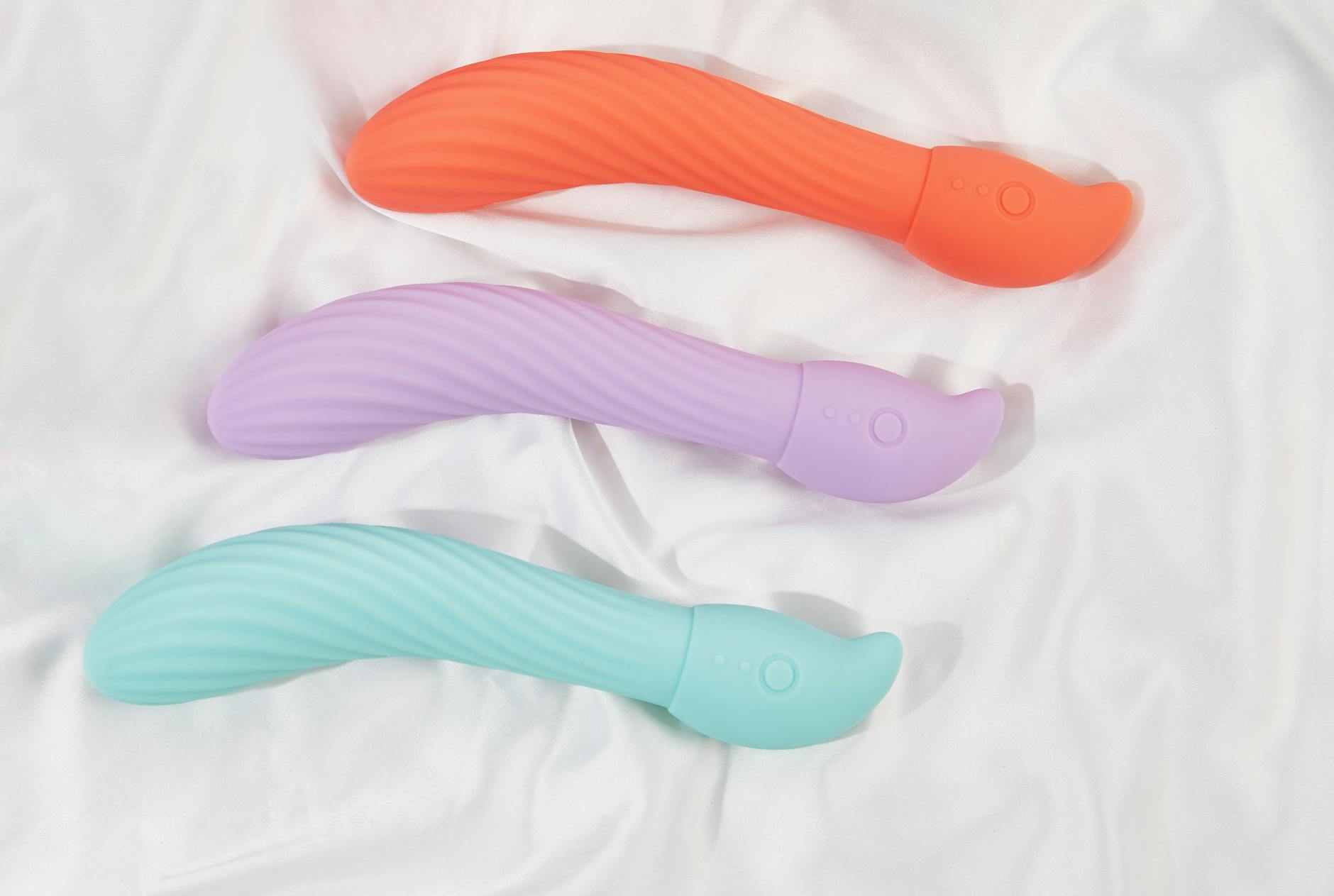
Best Lemon Vibrators for Solo Play When You Have a Sensitive Clitoris
If traditional vibrators feel too intense, too buzzy, or painful, lemon clitoral vibrators might be the answer. Here's what makes them different and how to use them safely.
Let's be real: if you've tried vibrators before and they felt like someone was jackhammering your clitoris, you're not broken. Your tissue is just more sensitive. The good news is that lemon vibrators work in a completely different way than traditional vibrators, which makes them surprisingly good for sensitive play.
Traditional vibrators buzz. They rub against your clitoris at high speed, which can feel intense, numbing, or even painful if you have nerve sensitivity or thin tissue.
Lemon vibrators use suction instead. They create a gentle seal and pulse rhythmically, which stimulates the entire clitoral structure (not just the surface). Because the sensation is distributed differently, it tends to feel less sharp and more building. The suction pattern also gives your tissue a chance to respond gradually rather than getting hammered into submission.
If you've ever felt pleasure-pain from a traditional vibrator, or if direct stimulation has always felt like "too much," the lem vibrator approach often changes everything. The sensation is more like a subtle pulse than a constant buzz.
Even though lemon clitoral vibrators are gentler overall, you still want to start low.
Most lem vibrators have 5-12 intensity levels. Begin at level 1 or 2. Spend time here. Not just thirty seconds. Maybe five to ten minutes. Let your body adjust to the sensation and figure out what arousal actually feels like in this new way.
Here's the thing: if you've had painful experiences with other toys, your body might hold tension at first. That tension makes everything feel more intense. Spending time at low intensity helps your pelvic floor relax, which paradoxically makes the experience easier. You're retraining your nervous system to feel pleasure as safe.
Once level 2 feels comfortable and pleasant, try level 3. Again, stay there. Build slowly.
Most lemon vibrators have rhythm patterns beyond just steady suction. Common patterns include:
Steady pulse (the default constant suction) works best for sensitive tissue. It's predictable and doesn't surprise you.
Building rhythm (slow speed that gradually increases) can feel good once you're aroused, but start with steady if you're still getting used to the sensation.
Waves or pulsing patterns (on and off in a rhythm) are fun, but they can be overstimulating for highly sensitive tissue if you use them too early. Save these for later in your solo session.
Don't get distracted by the fancy patterns. Find one rhythm at low intensity that feels good, and use it. Pleasure isn't about novelty. It's about knowing what works and taking time with it.
Here's something people miss: lemon vibrators don't require lubrication the way penetrative toys do, but using it anyway can make the experience more comfortable for sensitive tissue.
A small amount of water-based lubricant on the tip of the vibrator or directly on your clitoris can reduce any friction that might feel uncomfortable and help the suction seal work better. Don't use so much that the vibrator keeps slipping off. A dime-sized amount is plenty.
Silicone-based lubes are richer and feel more luxurious, but they can damage silicone toys. Stick with water-based if your vibrator is silicone.
Unlike wand vibrators or other shapes, lemon vibrators are designed for direct clitoral contact. You're holding it in one hand and guiding it yourself.
For sensitive tissue, this control matters. You can adjust pressure, angle, and how much of the clitoral area is in contact with the vibrator.
Lie down or recline at an angle that feels relaxed. Support the toy and your hand so you're not tensing your arm or shoulder. You want your whole body soft, not bracing. If you're tense, your clitoris tenses with you.
Start with the vibrator positioned directly on the clitoris. If that feels too intense, pull it slightly to the side so it's stimulating the clitoral hood or the area around the main part. Many people with sensitivity find that indirect stimulation is more comfortable. You're still getting pleasure, but it's softer.
Even with a gentler toy, sensitive tissue can get overstimulated. Signs include:
Sudden shift from pleasure to discomfort
Clitoris becoming numb or unresponsive
Sharp pain or raw feeling
Overwhelming sensation that feels like too much
If any of this happens, stop. Turn off the vibrator. Take a break. This isn't failure. It's feedback.
When you come back to it, use a lower intensity level or try the indirect positioning mentioned above. Your goal isn't to reach orgasm as fast as possible. It's to figure out what actually feels good to your specific body.
Many people find that with lemon suction vibrators, they can stay engaged for longer without numbness than with traditional vibrators. But every body is different. Pay attention to yours.
Don't just grab the vibrator cold. Spend a few minutes on foreplay.
Touch your breasts, your thighs, your inner wrists. Think about something that turns you on. Let arousal build. This isn't wasting time. Arousal increases blood flow to the clitoris, which makes it more responsive and less sensitive to pain. You're literally preparing your body for pleasure.
Once you feel arousal building (some warmth, some fullness in your vulva, some easiness in your body), then bring in the lemon vibrator. Start at low intensity. The combination of arousal and the tool will create a much better experience than jumping straight to the toy.
Solo play isn't a substitute for partnered pleasure. It's its own thing. It's the one place where you get to figure out your body without any pressure, any timeline, any performance.
If you have a sensitive clitoris, solo play is where you learn what your body actually wants, away from anyone else's expectations or agenda. That knowledge is then something you can bring to partnered play if you want it. You're not guessing. You know.
Many people with sensitivity discover that once they've had solo experiences with a lemon vibrator, their entire relationship to pleasure shifts. They stop thinking of their sensitivity as a problem and start thinking of it as a signal. Their clitoris is telling them something. The job is to listen.
Maybe. If you have diagnosed vulvodynia, you need to talk to a healthcare provider who specializes in pelvic pain. That said, many people with vulvodynia find that suction-based stimulation (the way lemon vibrators work) feels more tolerable than direct vibration. Start with the absolute lowest setting and go slowly. If pain shows up, stop immediately and discuss it with your provider.
Traditional vibrators buzz at high speed. Lemon vibrators use rhythmic suction, which is gentler and more diffuse. For sensitive tissue, suction tends to feel less sharp and more building. Why Lemon Vibrators Feel So Intense for Clitoral Pleasure has a deeper dive into how suction actually works.
You're not broken. Some bodies really do need super gentle stimulation. Try the indirect positioning (off to the side rather than directly on the clitoris), use a small amount of lube to reduce any friction, and take your time with arousal beforehand. If the lowest setting still feels overwhelming, you might need something designed specifically for very light touch, or you might benefit from working with a sex therapist who specializes in sensitivity.
There's no right answer. Some people spend fifteen minutes, others spend forty-five. The goal isn't to hit a timer. It's to stop when you feel satisfied. For sensitive bodies, "satisfied" might mean you had an orgasm, or it might mean you just felt connected to pleasure for a bit. Both are success.
It can improve. Sensation changes based on arousal, stress, hormones, and how much you're using your body. If you've only had painful experiences with vibrators, your nervous system might be protective. With a gentler tool (like a lemon vibrator), consistent positive experiences, and patience, many people find that sensitivity decreases over time. You're teaching your body that pleasure is safe.
Daily use is fine. Listen to your body. If your clitoris feels tender or raw, take a day or two off. If it feels responsive and happy, use it. Most people find a rhythm that works for them without needing to overthink it. Some days daily, some weeks a few times a week. Your body will tell you.
Not really. The lemon vibrator itself (the suction mechanism) is what makes it gentler. There aren't special sensitivity versions. What matters is that you start at the lowest setting, take your time with arousal, and position it in a way that feels good to your body. You're customizing the tool to your needs, not looking for a special product.
If you're nervous about trying a lemon vibrator because past toys have been painful, that nervousness is valid. But it's also worth trying something different. How to Ease Into Lemon Vibrators If You've Never Used One Before walks through the process step by step if you want more detailed guidance.
Sensitivity isn't a flaw you have to overcome. It's information. A lemon clitoral vibrator listens to that information and works with your body instead of against it. That's the whole point.
If you have questions about whether a lemon vibrator is right for you, or if you're not sure where to start, reach out. We're here to help.
Have more questions about solo play with sensitive tissue? Contact Hello Nancy and let's talk about what might work for you.