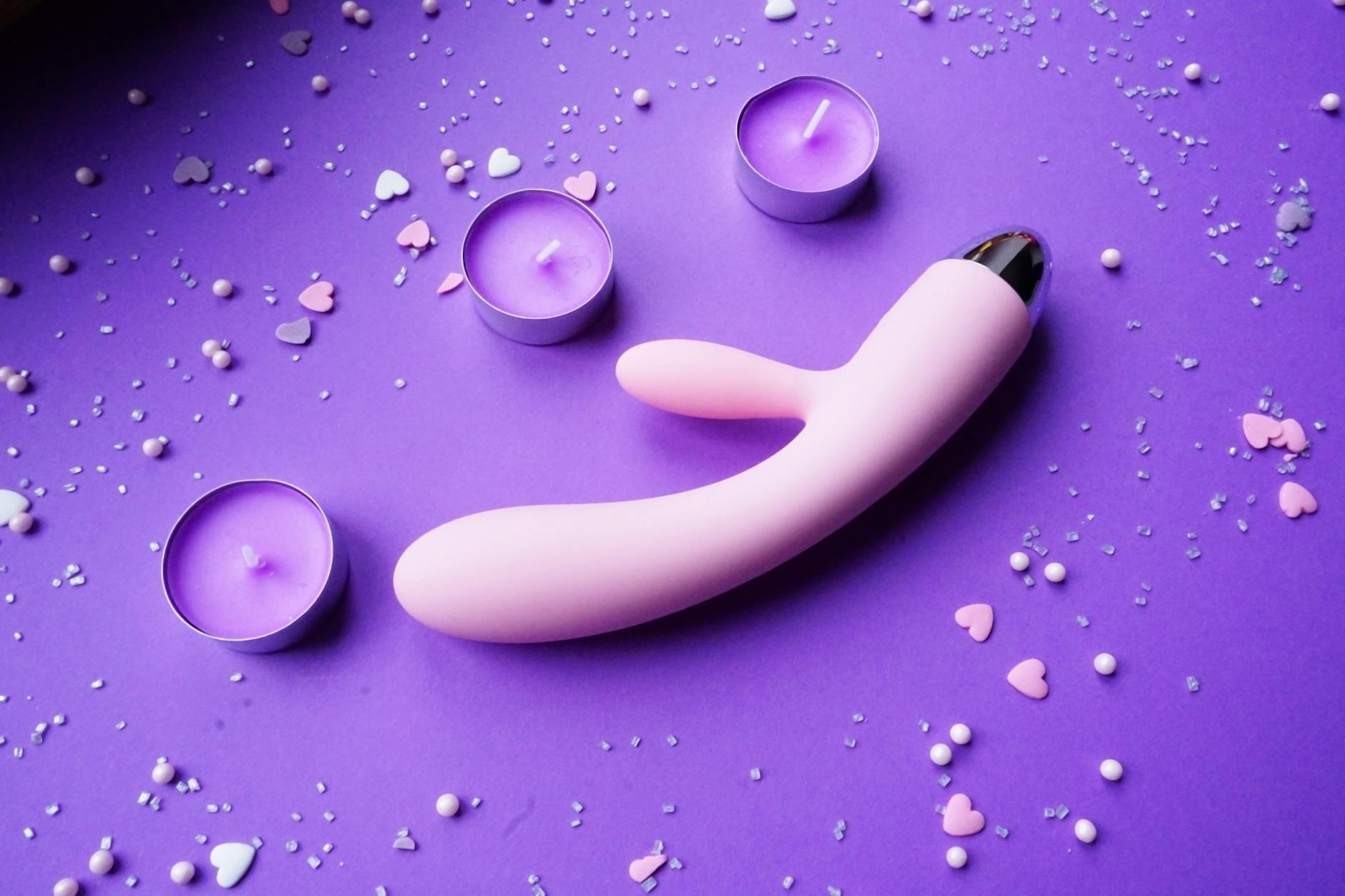
Your body is changing fast, your libido might be all over the map, and you're probably wondering if pleasure is off the table. Spoiler: it's not. Here's what's actually safe about lemon vibrators and pregnancy.
Pregnancy is wildly sexy for some people and completely unsexy for others. Both are completely normal. What's less talked about is that using vibrators during pregnancy—including lemon vibrators and other clitoral vibrators—is generally safe, and for many people, it's a crucial form of self-care when everything else feels unpredictable.
I've worked with hundreds of pregnant people navigating this territory, and the question almost always comes down to the same thing: "Is it okay to still want this?"
Pregnancy hormones flood your system in ways that affect everything about arousal and sensation. Estrogen and progesterone surge, blood flow to your pelvic area increases dramatically, and your vulva and clitoris swell slightly from all that extra blood. For some people, this creates heightened sensitivity and arousal. For others, it triggers nausea, fatigue, and a complete loss of desire.
Neither experience means something is broken.
The increased blood flow does mean your tissues are more sensitive overall. This matters when choosing how to use a lemon vibrator or any clitoral toy during pregnancy. The suction mechanism that makes lemon vibrators so effective at other times of your life can feel more intense now, so starting at lower intensity patterns is genuinely important.
Yes, with clear boundaries. The medical consensus from OBGYNs and midwives is straightforward: vibrator use is safe during pregnancy as long as you avoid three specific things.
First, don't use penetrative toys if you have a history of preterm labor, placental problems, or a cerclage (a stitch placed on the cervix to prevent early labor). The suction of a lemon vibrator is external, so it falls into a safer category than internal vibration, but your care provider knows your specific history. Ask them directly rather than assuming.
Second, stop if you experience cramping, bleeding, or pain during or after use. Mild spotting can happen with pregnancy hormones, but if something feels off, it's worth pausing and checking in with your midwife or OB.
Third, be cautious about deep abdominal massage with vibrators. The clitoral focus of a lemon vibrator makes this less of a concern than it would be with a wand vibrator, but the principle stands. Stick to external clitoral stimulation, avoid anything that presses heavily on your lower abdomen or cervix, and you're in the safety zone.
The suction technology that makes lemon vibrators so popular for clitoral pleasure actually has a real advantage during pregnancy. Because lemon vibrators create suction rather than pure vibration, they stimulate the clitoris without the same intensity of direct contact. For pregnant bodies with heightened sensitivity, this can feel more comfortable than traditional vibrators.
The other advantage is control. With a lemon vibrator, you can adjust intensity from the first pattern upward, which is essential when you're not sure how your body is going to respond on any given day. As pregnancy changes sensitivity in unpredictable ways, having that range matters.
Start at pattern one. Move up only if it feels good. There's no prize for intensity right now.
Pregnancy desire doesn't follow a linear path. First trimester exhaustion and nausea often tank libido completely. Second trimester tends to be when appetite returns as hormones stabilize and energy bounces back. Third trimester is a wildcard—some people are aroused right up to labor, others lose interest as discomfort takes over.
This means what feels good in month four might feel overwhelming in month seven. The solution isn't to force yourself. It's to stay curious about what your body wants right now, not what it wanted last week.
Many of my clients find that having access to their lemon vibrator during the second trimester—when arousal typically peaks—becomes a meaningful form of pleasure when their partner is nervous or when they simply want solo connection. That's not just okay. That's healthy.
Beyond the three main boundaries I mentioned, a few practical points:
Don't use unclean toys. Your vaginal immune system is suppressed during pregnancy, making you more vulnerable to infections. Wash your lemon vibrator with warm water and mild soap before each use, just like you would any other time, but be extra careful about this.
Don't assume your partner will be on board with the same things they were before pregnancy. Many partners have complicated feelings about sexual contact during pregnancy—some want to pull back out of caution, others feel disconnected from a changing body. Having that conversation separately from the vibrator conversation helps. "I want to explore pleasure during pregnancy" is different from "I need this form of intimacy with you right now," and both deserve attention.
Don't ignore your provider's specific concerns. If they've flagged complications or bed rest, follow their guidance. A good midwife or OB can tell you whether your specific situation changes things.
For many pregnant people, orgasm through clitoral stimulation—whether with a partner, alone, or with a toy like a lemon vibrator—continues to feel good throughout pregnancy. In fact, some research suggests that orgasms during pregnancy might even be slightly stronger because of increased pelvic blood flow.
The key is treating this as a form of self-care, not performance. You're not trying to prove you're still sexy or maintain some pre-pregnancy standard. You're exploring what your body needs right now to feel grounded and present in your own skin.
That might look like 10 minutes alone with your lemon vibrator twice a week. It might look like nothing for three months and then a resurgence. Both are fine. Listen to your body and let go of the expectation that pregnancy pleasure should look any particular way.
Once you give birth, most providers recommend waiting 4-6 weeks before using any toys internally. External use is typically fine earlier, though honestly, most people aren't in the headspace for pleasure in those first weeks anyway. When you do feel ready to come back to your lemon vibrator or other clitoral toys, remember that your tissues have shifted again and might be tender. Go slowly, use plenty of lubrication, and pay attention to what feels good.
Many people find that returning to pleasure with a partner looks different postpartum—fatigue, healing, hormonal shifts, and the reality of a newborn make everything different. That's why solo connection through toys can matter even more in those early months, when you might not have the bandwidth for partnered intimacy but still need to feel like yourself.
Yes. Orgasms are safe during uncomplicated pregnancy. They do trigger uterine contractions, but those are different from labor contractions and don't cause miscarriage or early labor in healthy pregnancies. If you have specific risk factors like a history of preterm labor or placental issues, check with your provider, but for most people, orgasms are completely fine.
No. Vibrators don't cause miscarriage. Miscarriage happens due to chromosomal abnormalities or other biological factors completely unrelated to sexual activity or toy use. This is one of the myths worth letting go of entirely.
You don't have to, but there's no shame in it. If you have any pregnancy complications, it's worth mentioning because your provider might have specific guidance for your situation. For most uncomplicated pregnancies, it's a non-issue, but the reassurance of asking can sometimes matter more than the answer.
Yes, as long as you feel comfortable and your provider hasn't restricted sexual activity. Third trimester bodies are uncomfortable and fatigued, so whether you want to use a vibrator is really the question. Some people do, some don't. Neither is wrong.
No. The vibrations from a clitoral toy don't reach the baby. They're localized to your vulva and clitoris, nowhere near your uterus or baby. This is one of those fears that sounds logical but doesn't hold up medically.
Stop using it. Some cramping during pregnancy is normal, but cramping triggered by vibrator use suggests your body is telling you it's not the right time. You can always come back to pleasure later. Listen to what your body is actually saying rather than pushing through discomfort.
Pregnancy changes pleasure, but it doesn't end it. Using a lemon vibrator during pregnancy is safe for most people in uncomplicated pregnancies, and for many, it's a meaningful form of connection to yourself when everything else is in flux. What matters is checking in with your body, respecting your own boundaries, and remembering that your pleasure still counts, even while you're growing a human.
If you want to explore this further or have specific questions about your own pregnancy, your midwife or OB is your best resource. They know your history and can give you personalized guidance. Hello Nancy is here to help you think through the pleasure side of things—but your care provider has the medical answers that matter most for your situation.