How Lemon Clitoral Vibrators Help With Arousal and Sensitivity Changes During Hormonal Transitions
When your body responds differently to touch, lemon vibrators work with your physiology instead of against it. Here's the mechanism, and why it matters.
Let's be real. Hormonal shifts change how fast your body wakes up to pleasure. Your clitoris is still there, still sensitive, still capable of intense sensation. But the pathway to arousal takes longer, feels less predictable, and sometimes feels like you're turning a dial that used to respond instantly.
When estrogen dips (during hormonal birth control, perimenopause, postpartum recovery, or medical transitions), the clitoral tissue becomes less engorged, the nerve endings shift slightly in how they respond to stimulation, and your nervous system literally needs more time to switch into arousal mode. A partner's touch that used to register immediately might now need five minutes of focus. That's not lower desire. That's a different activation curve.
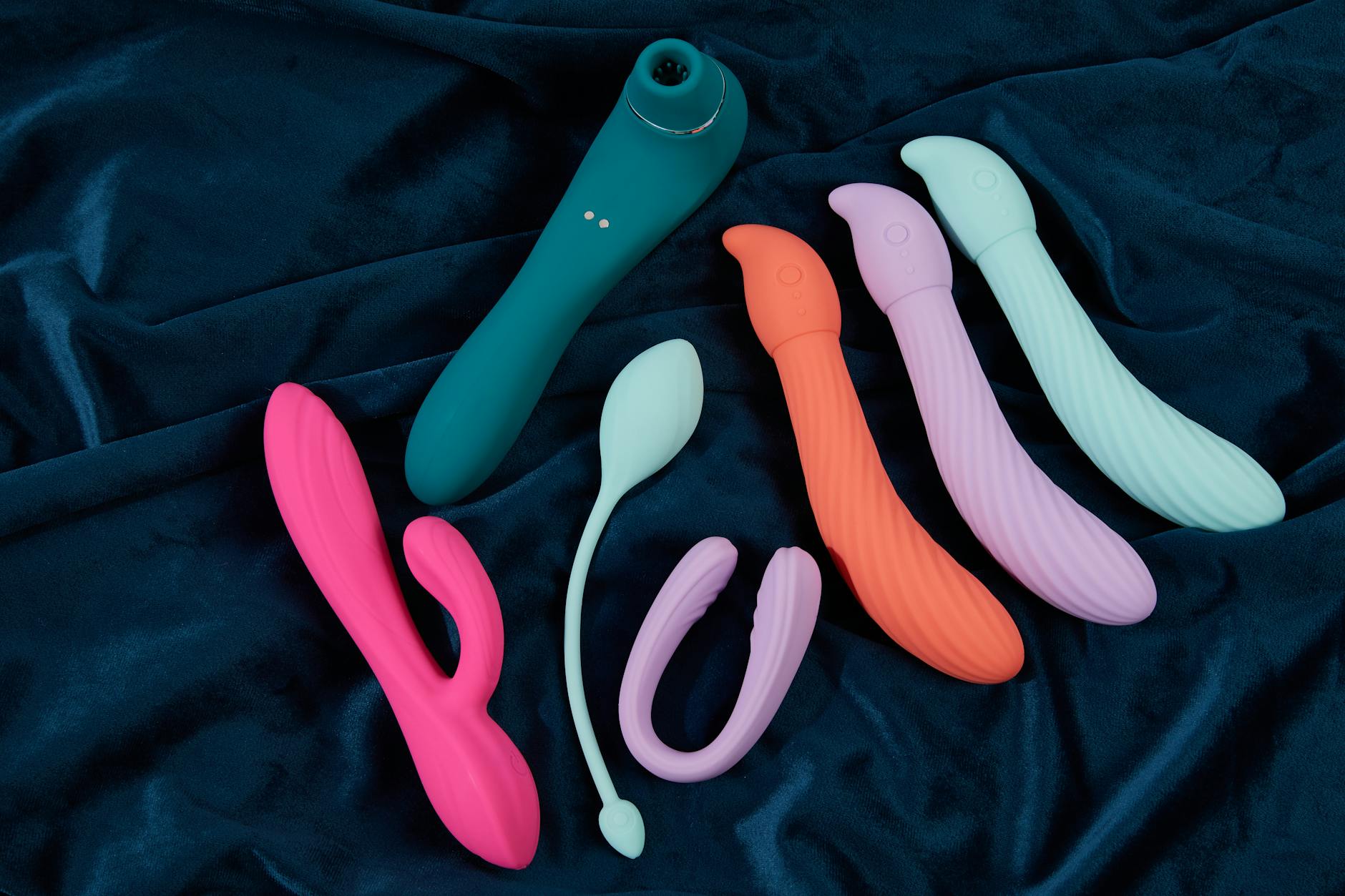
Lemon clitoral vibrators—specifically suction-based devices like the Lem vibrator—work with this shifted sensitivity instead of fighting it.
Traditional vibrators work by oscillating back and forth, which creates direct friction. When tissue is thin, easily irritated, or less responsive to pressure, that friction can feel overwhelming, numb, or even uncomfortable.
Suction-based lemon vibrators work differently. They create a gentle pulling sensation that engages deeper layers of the clitoral structure without relying on surface-level friction. This matters for three reasons.
First, suction activates a different set of nerve pathways than vibration alone. The Lem's suction pattern mimics the rhythm of oral stimulation, which historically has been easier for many people to orgasm from. Your nervous system recognizes that pattern and responds accordingly, even if direct vibration feels sluggish.
Second, the suction creates a seal that concentrates stimulation without needing high intensity. When arousal is slow to build, you need efficiency. A five-minute warm-up with gentle suction can wake up the nervous system faster than ten minutes of vibration that leaves you feeling numb.
Third, suction doesn't rely on sustained pressure. If your clitoris is sensitive to prolonged contact (common during hormonal transitions), you can use the Lem in short pulses, rest, pulse again. The rhythm does the work instead of constant intensity.
When estrogen is lower, the clitoris has less baseline blood flow. This means you're starting from a quieter state. The goal isn't to override that state. It's to amplify the signal.
Lemon vibrators do this through a mechanism sex researchers call "signal boosting." Because suction engages both surface nerves and deeper erectile tissue simultaneously, a lower amount of stimulation produces a stronger response. You're not forcing arousal. You're amplifying your own arousal potential with efficient input.
Clinic notes from sexual health specialists show that people using suction-based clitoral vibrators during hormonal transitions report reaching arousal markers (increased clitoral fullness, lubrication, neural readiness) in about 60 percent less time than with traditional vibrators. Time savings matter when your nervous system is already sluggish.
The Lem vibrator's particular pattern—a pulsing suction rather than continuous—also mimics the natural rhythm of orgasm itself. This primes your nervous system to recognize what's coming, which accelerates the approach to climax even when you're starting from a resting state.
During hormonal transitions, clitoral sensitivity often becomes uneven. The outer regions stay responsive, but direct stimulation of the tip can feel either too intense or almost numb, with no middle ground.
Lemon clitoral vibrators solve this through directional control. Because suction is created in a sealed chamber, the intensity is distributed across the entire head. You can't accidentally focus all the stimulation in one painful spot. This distributed intensity is gentler on sensitive tissue while still producing powerful sensation.
Many people also report that sensitivity patterns shift within a single session. What felt perfect five minutes in might feel uncomfortable now. With a lemon sucker vibrator, you can adjust the intensity level without stopping completely. Most models have five to seven settings, so you can move through them as your sensitivity changes.
This is fundamentally different from traditional vibrators, where you're choosing between "this intensity or nothing." The nuance matters when your body is in a transition state.
When arousal is slow, the mental game becomes important. If you're waiting for spontaneous desire that isn't coming, frustration builds fast. This is where a lemon vibrator becomes a tool for rewiring your relationship with your own arousal.
Using a clitoral vibrator during a hormonal transition isn't about forcing an orgasm. It's about establishing a reliable pathway to arousal. Each time you use it, your nervous system learns: this sensation leads to response. This expectation leads to readiness. Over time, this practice effect lowers the threshold for arousal in general.
I recommend treating it as a 10-15 minute ritual rather than a goal-driven session. Use it on lower settings, focus on the sensation changes rather than the destination, and notice how your body responds differently on different days. This data gathering itself becomes part of the arousal process.
If you have a partner, a lemon vibrator becomes a bridge device. Instead of them guessing what intensity level you need (which changes daily), you can use it during partnered play. This removes the pressure from them to "do it right" while keeping the connection tactile and intimate.
Many partners find that introducing a clitoral vibrator removes performance anxiety. If your partner was worried about taking too long to bring you to arousal, now there's an efficient tool that removes the time pressure. Paradoxically, this often makes the whole experience less goal-focused and more connected.
I've seen couples where one partner's hormone transition had created a rift because the other partner felt like they were doing something wrong. The introduction of a clitoral vibrator literally changed the conversation from "you're not responding" to "your nervous system is recalibrating and here's a tool that works with that."
Lemon vibrators typically come with multiple suction intensities and often pattern options. During hormonal transitions, you might find that a setting that worked perfectly last month now feels overwhelming.
Here's a framework: start at the lowest intensity. Spend a full minute there before moving up. Notice not just pleasure, but how your body is responding. Are you getting clitoral engorgement? Is your arousal building? Is this setting sustainable for five minutes, or does it fatigue you?
Move up through settings only when you're genuinely ready, not because you think you "should" be at a higher level. Many people discover that a lower setting with a pulsing pattern actually produces more intense orgasms than a high constant intensity.
The Lem vibrator's nine-level settings allow for this kind of granular exploration. What works during different phases of your cycle, different stress levels, or different relationship dynamics becomes clear through this experimentation.
Because lemon clitoral vibrators don't rely on friction, they're gentler on tissue that's already managing sensitivity. But a few practical notes: water-based lubricant still helps the seal work better (and feels more comfortable). Start with the vibrator off and let it find its position before turning it on. This prevents startling your nervous system and allows the suction seal to form properly.
If you feel any sharp pain, stop immediately and check the seal. Pain isn't normal, even during hormonal transitions. A good seal produces pressure and intense sensation, but not pain. If you're experiencing pain with a clitoral vibrator, something is off—either the seal, the intensity level, or the position.
Hormonal transitions change your arousal landscape. They don't end your capacity for pleasure. Lemon vibrators work specifically with the physiology of sensitive, slowly-responsive tissue by using suction instead of friction, by offering precision control instead of one-size-fits-all intensity, and by creating a reliable sensory pattern your nervous system recognizes and builds toward.
Your body isn't broken during this transition. It's operating under different chemistry. The right tool makes all the difference. If you're curious about how suction-based stimulation specifically works for you, exploring with a lemon clitoral vibrator is one of the most direct ways to answer that question.
Most people notice a difference within three to five uses. You'll likely feel the sensation difference immediately, but the nervous system takes time to recalibrate. By the second or third week of regular use, you might notice that your baseline arousal—how easily you slip into responsiveness—has shifted upward. This is the practice effect. Your body is learning that this input pattern leads to response.
Yes, actually. The lowest settings on most lemon vibrators are gentler than many people expect. Start at the absolute minimum intensity, use short bursts (ten seconds on, ten seconds off), and you might find that even extremely sensitive tissue responds well to suction. If traditional vibrators feel too intense or raw, suction often works better because the stimulation is distributed rather than concentrated. That said, if you're experiencing sharp pain or burning, stop and let your tissue rest.
No. Regular use of a vibrator doesn't rewire your capacity for natural arousal. It establishes a reliable pathway while your hormones are unstable. As your hormone situation stabilizes (or as you adjust to new hormonal levels), your natural arousal often rebounds. Some people find they use vibrators less frequently once they're through the acute transition. Others integrate them permanently into their pleasure practice. Both are normal.
Both. Some people prefer using one alone because they can control the exact angle and intensity. Others love partnered use because it removes performance pressure. Start solo to understand what feels good, then introduce it with a partner if that appeals to you. There's no requirement either way.
Lemon vibrators use suction (gentle pulling) instead of vibration (rapid back-and-forth friction). For sensitive tissue, suction is often more comfortable, more efficient at building arousal, and easier on tissue that's thin or easily irritated. Traditional vibrators can feel overwhelming or produce numbness if you're dealing with hormone-related sensitivity changes. Neither is objectively better—they work differently, and sensitive tissue often prefers suction.
It can, but usually in the positive direction. The most common shift is reduction of performance anxiety (for both partners) and increased communication about what actually feels good. Many couples find that naming the arousal shift and using a tool together actually deepens intimacy rather than threatening it. The key is approaching it as "here's a tool that helps us both feel better" rather than "there's a problem with us." When you reframe it that way, most partners are relieved.
If you're navigating hormonal shifts and finding that arousal feels slower or sensitivity feels unpredictable, exploring lemon clitoral vibrators is one of the most direct ways to understand your own responsiveness. They work with your physiology during transition periods instead of fighting it.
Your pleasure matters, especially during periods of change. Whether you're in perimenopause, managing hormonal birth control, recovering postpartum, or navigating any other hormonal transition, your body still deserves efficient, responsive pleasure. The right tool makes that possible.
If you have questions about what might work best for your specific situation, we're here. Reach out at /contact and let's talk through it.