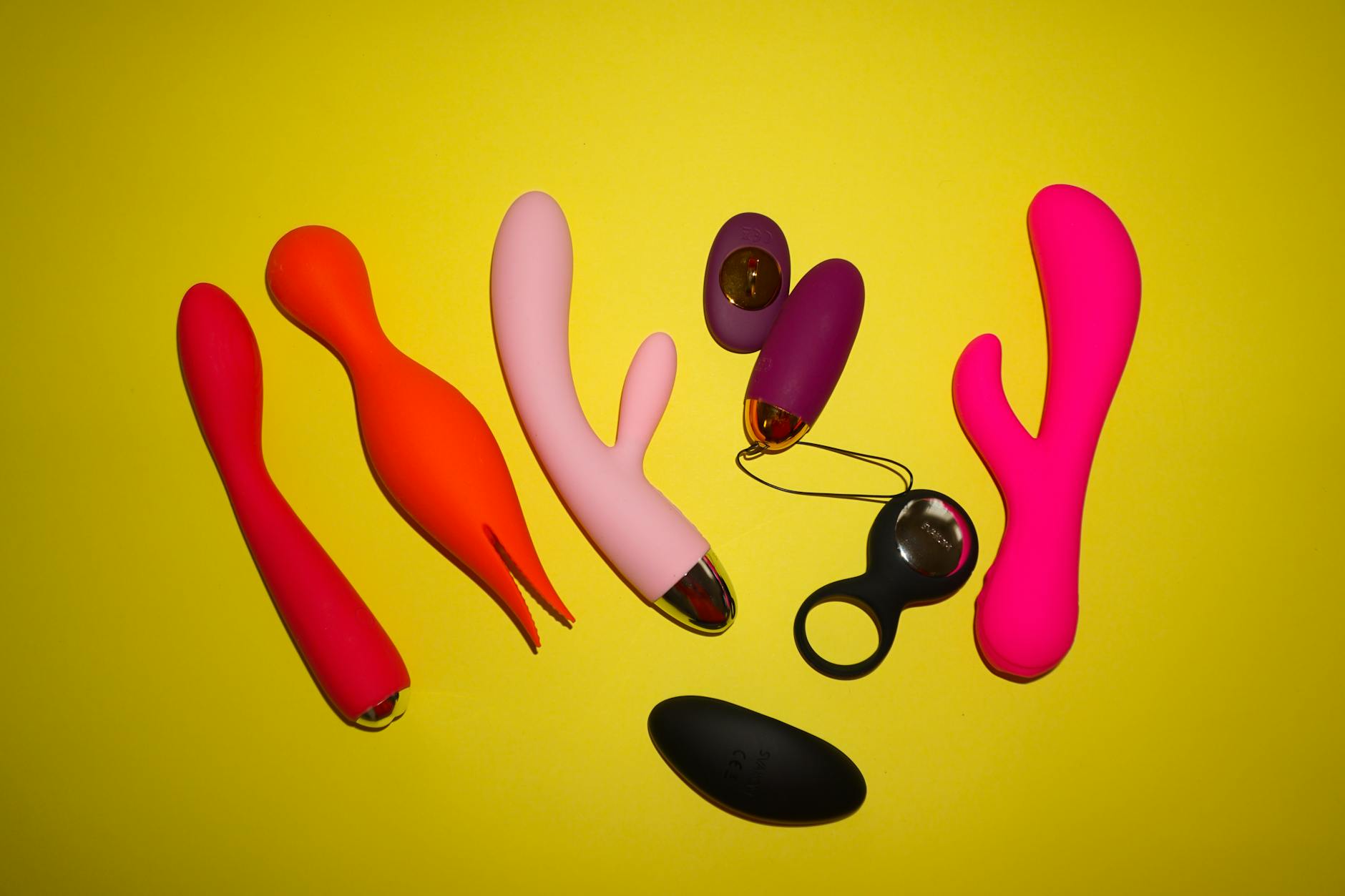
How Lemon Vibrators Compare to Traditional Vibration for First-Time Users
Thinking about your first vibrator? Here's what you actually need to know about how lemon suction toys feel different from standard vibrators, and whether one is right for you.
Here's the thing: if you've never used a vibrator before, you've probably heard the term "lemon vibrator" thrown around alongside traditional buzzers and wand vibrators. But what's the actual difference? And more importantly, which one should you try first?
The short answer is that lemon vibrators (like the Lem) use suction technology rather than vibration alone. Instead of a motor that shakes back and forth, they create a gentle pulling sensation that stimulates your clitoris without direct contact. It sounds more niche than it is. In reality, it's often the better entry point for first-time users because it feels completely different from what you might expect, and that difference is usually a pleasant surprise.
Standard vibrators have been the baseline for decades, and for good reason. They use a motor that oscillates back and forth at varying speeds, creating a buzzing sensation directly on whatever part of your body touches the toy.
The pros are obvious. Vibration is straightforward, predictable, and works fast for most people. You know what you're getting: intensity ramps up, sensation increases, and the rhythm stays consistent. There's no learning curve.
But here's where first-time users often run into friction. That direct, constant buzzing can feel overwhelming right away, especially if your clitoris is sensitive or hasn't had much direct stimulation before. Some people describe it as too intense, too numb-making, or oddly desensitizing after a few minutes. Others find that the vibration feels good initially but becomes uncomfortable or even slightly irritating if they use it for more than 10 or 15 minutes. Your body can adapt to the sensation so quickly that you stop feeling much at all.
There's also the physical wear factor. High-speed vibration can, over time, contribute to reduced sensation in the area if used very frequently. That's not a reason to avoid vibrators. It's just a reason to know your tools and use them intentionally.
Lemon suction vibrators work on an entirely different principle. Instead of buzzing against your tissue, they create a seal and pull gently in a rhythmic pattern. Think of it less like a toothbrush and more like a mouth.
The sensation is more of a massaging, rhythmic release rather than constant stimulation. Your clitoris gets pulled upward into the device, then released, then pulled again. It's repetitive but dynamic. Many first-time users describe it as feeling more like a partner's touch than a traditional vibrator does, because there's a pause built into each cycle.
This matters for arousal. Because the sensation isn't constant, your body stays responsive throughout the experience. You don't hit that desensitization wall as quickly. The stimulation feels varied even when you keep the toy in the same position, which keeps your nervous system engaged.
Another huge difference: precision. A traditional vibrator stimulates whatever part of your vulva it's touching. A lemon vibrator with proper suction focuses the sensation directly on your clitoral head without requiring you to angle it or apply pressure. That precision is why many people with reduced clitoral sensitivity find suction toys more effective.
Let me be direct: if your clitoris is sensitive, traditional vibration can feel harsh when you're just starting out. That sensitivity isn't a weakness. It's completely normal, especially if you've never used toys before or if you've had limited genital stimulation.
With a traditional vibrator, your options are either use a lower speed (which many people find boring or ineffective) or grit through the intensity and hope your body adapts. Neither is ideal for discovering what you like.
Lemon vibrators let you start much gentler. The suction pattern at its lowest setting feels nothing like the lowest buzz of a traditional vibrator. It's softer, more rhythmic, less intrusive. You can focus on the sensation rather than managing discomfort. That's genuinely important when you're learning your own body.
I also work with people who are resuming sexual activity after long breaks, after medical events, or during hormonal transitions like menopause. Suction technology is often more forgiving for tissue that's thinner or less robust. It achieves intense sensation without the mechanical pressure that can feel uncomfortable on delicate areas.
Here's something nobody talks about: vibrators and suction toys don't create the same kind of intensity progression. Traditional vibrators get intense by going faster. Lemon vibrators get intense by increasing the strength of the suction pulse.
Fast vibration can feel sharp or buzzy at high speeds. Strong suction feels more like a full-body pull, which most people find deeper and more satisfying. But "more intense" doesn't always mean "better." It means different.
If you're someone who likes obvious, building intensity and clear feedback that you're reaching toward climax, traditional vibration gives you that visual and tactile progression. If you prefer sensation that stays present and responsive without exhausting your nervous system, suction is often the winner.
For first-time users specifically, suction has another advantage: you can't "overdo it" as easily. Because the sensation cycles rather than hammers, you have natural moments to breathe between pulses. That rhythm is actually closer to how your body naturally responds during arousal. Neuroscientifically, it's less jarring.
Choose a traditional vibrator if you want to get to orgasm quickly, if you already know you like strong direct stimulation, or if you like the simplicity of picking an intensity level and staying there. Many people love vibrators. There's no wrong choice here.
Choose a lemon suction vibrator if you're exploring for the first time, if you have sensitivity concerns, if you want a sensation that feels more natural and less mechanical, or if you're curious about trying something outside the typical buzz-and-go experience.
Honestly? If you're a true beginner, I'd lean toward suction first. You can always add a traditional vibrator to your collection later. But starting with a lemon vibrator means you're starting with a toy designed for discovery rather than conquest. That's a better foundation.
Both toy types need the same basic care. Water-based lube is your friend regardless of which you choose. With a suction toy like the Lem, lubrication actually makes the seal work better. With a traditional vibrator, it reduces friction and makes everything feel smoother.
Start at the lowest setting with either toy. Seriously. Your body will tell you if you want to turn it up. Most beginners are shocked at how sensitive they are, and that's beautiful information.
If you're using a toy with a partner, lemon vibrators have the advantage of being quieter and less visually obvious during partnered sex. Traditional vibrators are louder and more prominent. That matters if you're concerned about noise or want something that feels less clinical during intimacy.
Both should be cleaned with warm water and a mild toy cleaner after every use. Both last longer if you're thoughtful about storage and charging. The main difference is that suction toys need to maintain their seal to work, so any damage to the silicone surface means the toy is done. Traditional vibrators are more forgiving about minor wear.
Your first vibrator should feel good, not intimidating. It should invite curiosity rather than demand commitment. A traditional vibrator is a proven choice that works for plenty of people. A lemon suction vibrator is the choice I see work best for people who are nervous, sensitive, or genuinely uncertain about what they want.
There's no universal right answer. But there is a right answer for you. And the best way to find it is to start with whichever one makes you less nervous. Pleasure shouldn't come with anxiety. Your first experience should feel safe, gradual, and genuinely pleasurable. Once you know that, you can explore further.
Absolutely. The suction seal adapts to different vulva shapes. Some people's clitorises are more internal or hooded. A suction toy actually works really well in those cases because it pulls tissue into the device where stimulation happens, rather than requiring external contact like a traditional vibrator. If this is you, suction might actually be more effective, not less.
Yes, and it often helps. Because suction works through a completely different mechanism, it can wake up sensation that traditional vibration desensitized. I've worked with people who felt nothing from traditional vibrators who were shocked at how much they could feel with suction. That said, if you're experiencing genuine numbness, a rest period (a few weeks without toys) combined with using a suction toy when you return often works better than jumping straight to the toy.
Lemon vibrators are significantly quieter. The suction action is nearly silent. Traditional vibrators, especially at higher speeds, create an obvious buzzing sound that travels. If discretion matters to you, suction is the clear winner.
It's individual. Some people orgasm faster with traditional vibration because of the directness. Others find they can't come with traditional vibrators but come easily with suction because the sensation feels less abrupt. The honest answer is that you'll only know by trying.
Not really. Position matters slightly more because you need a good seal, but once you find that, it's as straightforward as a traditional toy. Some people find suction easier to learn because there's less guessing about pressure and angle.
Yes, though positioning is slightly different. Because suction toys need a seal, they work better when you're on top or at angles where you can maintain contact. Traditional vibrators are easier to hold in place against a partner's body. Neither is wrong. It's just logistics.
Whichever toy you choose first, remember that this is the beginning of discovering your own body. There's no performance standard here. There's no "right" way to feel. Your clitoris isn't broken if it takes time to respond. Your pleasure isn't invalid if it looks different from what you expected.
If you want to talk through what might work best for you specifically, or if you want to explore how toys fit into your relationship or solo practice, we're here to help. That's what Hello Nancy is about.
Your pleasure matters. And the tool you choose is just that. A tool. The real journey is discovering what your body actually likes, not what you think it should like.