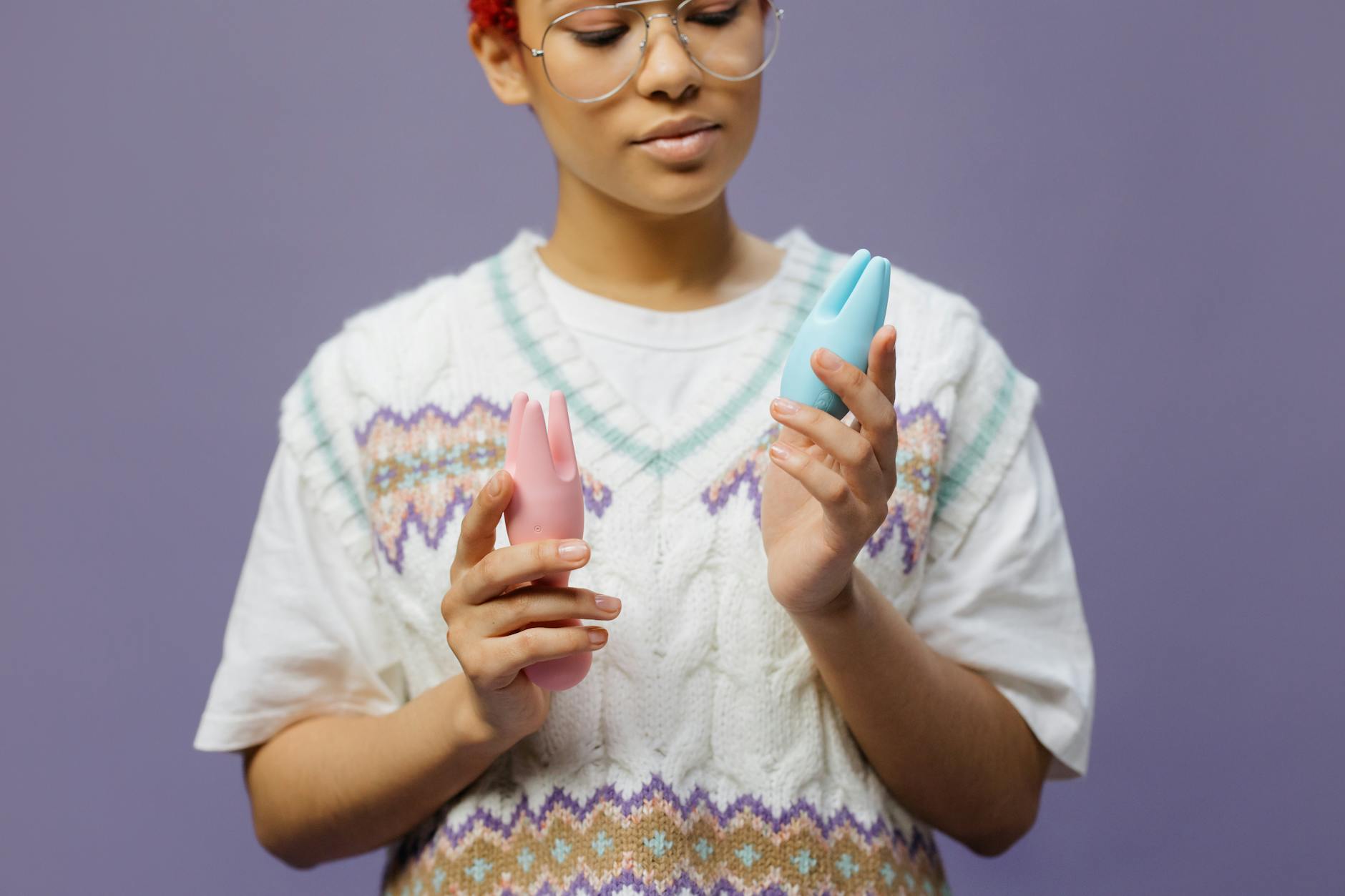
How Lemon Vibrators Help When You Restart After a Long Break
Life happens. You take a step back from pleasure for months, even years. Here's what happens to your body when you come back, how to ease in without frustration, and why your first orgasm after a long pause might surprise you.
Here's the thing nobody talks about: people take breaks. Sometimes it's intentional. Sometimes life just gets so full that pleasure slides down the priority list until one day you realize it's been six months, or a year, or longer since you've touched yourself. And then restarting feels weirdly hard, almost like you're starting over from scratch.
When you stop engaging with pleasure regularly, a few physical things shift. Genital tissue gets less regular blood flow, which means less natural lubrication production over time. Your pelvic floor muscles, which you use during arousal and orgasm, lose some of their tone and responsiveness. Neurologically, the pathways that fire during arousal don't get activated, so your brain's sensitivity to touch patterns can feel a bit muted at first.
The good news: none of this is permanent. Your body is remarkably good at relearning pleasure. Most people find that within a few weeks of regular engagement, everything bounces back. The body remembers.
What's also true is that if you took a break because of relationship stress, burnout, medical issues, or just life overwhelm, restarting can bring up some emotional weight. You might feel rusty, self-conscious, or disconnected from that part of yourself. That's normal too.
The design of lemon clitoral vibrators like the Lem makes them ideal for getting back into a pleasure routine after time away. Here's why:
Consistent, gentle stimulation. When sensation feels muted from a long break, you might be tempted to jump straight to high intensity. Wrong move. The Lem's suction mechanism provides rhythmic stimulation that builds gradually, so you're not overstimulating tissue that's gotten sensitive from lack of use.
No learning curve. You don't need to remember technique. With a lemon vibrator, the tool does the thinking. You can focus entirely on feeling, which matters when you're rebuilding trust with your own body.
Shorter warm-up time. Because the lemon sucker mechanism is so efficient at engaging nerves, you often need less arousal buildup than you might expect. That takes pressure off.
Start low. Not pattern 1 on every device is the same, so this means the gentlest available setting. Spend at least 15 minutes on it, even if nothing's happening. This isn't about getting off. It's about reintroducing sensation to your nervous system.
You might notice your clitoris is a bit less responsive than you remember. Totally normal. You might also find that the first few sessions feel more like curiosity than arousal. That's fine too. You're waking something up that's been asleep.
One important thing: use lube, even if you think you might get naturally lubricated. After a break, natural lubrication takes longer to build. Water-based lube makes everything feel better and removes the pressure of waiting for your body to "perform" a certain way.
After the first week, you can start experimenting with slightly higher intensity. Notice what patterns feel good, which ones feel like too much, where you want more time and where you want less.
Many people returning to pleasure after a break find that sensation comes back faster than they expected. Your clitoris has about 8,000 nerve endings. They don't go anywhere during a break. They just need activation again.
During this phase, consistency matters more than intensity. Even 10 minutes three times a week is better than one long session every two weeks. Your nervous system learns rhythm.
You might also notice emotional stuff coming up. Sadness about the time you lost. Relief to be reconnecting. Frustration that it's not instantly like it used to be. All of that is worth sitting with, not pushing through. Your pleasure is connected to your whole self, and sometimes restarting means processing why you stopped in the first place.
Some people find that even after two or three weeks, arousal feels flat or distant. This happens often enough that it's worth naming: you're not failing at restarting.
A few things to check. First, are you under unusual stress right now? Because stress absolutely caps arousal. Your nervous system can't relax into pleasure if it's in survival mode. If that's the situation, keep using the lemon vibrator, but lower expectations. You're maintaining the habit, not chasing results.
Second, medication changes or ongoing health stuff can muffle sensation. If you're on SSRIs, certain blood pressure meds, or other medications that affect arousal, your restart timeline might be longer. That's not a reflection on you. Talk to your doctor if sensation still hasn't bounced back after six weeks of regular use.
Third, sometimes restarting after a long break bumps into stuff about why you stopped. If the break was related to a relationship change, partner conflict, or trauma, your body might be protecting itself. In that case, you might benefit from talking to a therapist who specializes in sexual health alongside your own exploration.
But in most cases, patience wins. Keep the lemon vibrator in the rotation, keep the pressure off yourself, and by week four or five, most people notice a significant shift.
Restarting pleasure isn't just physical. It's a re-commitment to yourself. You're saying that your body matters, that feeling good matters, that this part of your life deserves attention again. That's not small.
If you're restarting after a painful relationship ending, grief, medical trauma, or just years of deprioritizing yourself, give yourself credit for coming back. You don't need to earn the right to pleasure. You already have it.
One useful shift: stop thinking of restarting as "getting back to where you were" and start thinking of it as "exploring where you are now." Your body has changed. Your preferences might have shifted. The person you are now might want something different than the person you were before the break. That's not a loss. It's evolution.
Don't shame yourself for taking the break. Don't expect the first session to feel like your best sessions. Don't jump to intensity thinking you need to "wake it up faster." Don't do it when you're stressed or exhausted and thinking you should. Don't compare your restart timeline to anyone else's.
Avoid using pleasure as a way to fix emotional stuff. If you're restarting to prove something to a partner, or to prove something to yourself, pause. Pleasure is meant to feel good, not to be earned or proven.
Here's what a lot of people don't expect: after you've been through a long break and come back, many folks report that pleasure feels different. Not worse. Different. Sometimes more intense. Sometimes more focused. Sometimes the quality of orgasms shifts in ways that feel deeper.
There's a theory for this. When you come back to pleasure after intentional absence, you're not on autopilot. You're present. You're paying attention. That attention changes everything. Your brain is more engaged, your nervous system is more alert, and that often translates into more satisfying sensation.
You don't need a perfect setup. You don't need hours. You need a quiet moment, lube, a lemon vibrator, and permission to take this slow. Start with the Lem at its lowest pattern, give yourself 15 minutes without expectation, and notice what happens.
Your body wants to feel good. It's designed for it. Sometimes it just takes a few weeks of consistent, gentle attention to remember how.
Most people notice significant sensation return within two to three weeks of regular use. By week six, nearly everyone reports that their baseline arousal feels close to where it was before the break. That said, it varies based on stress levels, medication, relationship status, and whether there's underlying anxiety about restarting. If you're still feeling numb after six weeks of consistent practice, it's worth checking in with a healthcare provider to rule out medication side effects or hormonal shifts.
There's no medical reason to wait. Your body hasn't "shut down" just because you took a break. That said, if the break was related to pain during sex or medical procedures, ease in gently and prioritize comfort. If you're nervous about restarting, a lemon clitoral vibrator like the Lem is actually a great tool to begin with because it's less intense than some alternatives and gives you control over intensity levels. Start at the lowest pattern and move up as you feel ready.
Because pleasure is tied to your whole self, not just your body. If you took a break because of relationship issues, grief, burnout, or just deprioritizing yourself, coming back to pleasure means confronting why you left in the first place. That's hard work. It's also healing work. Some people find it helpful to pair their physical restarting with emotional processing, maybe through journaling or talking to a therapist who understands sexual health.
Yes. After a long break, your genital tissue is less primed for lubrication production. Using water-based lube takes the pressure off your body to perform and reduces friction in a way that feels better and builds confidence. It's not forever. After a few weeks of regular activity, your natural lubrication usually bounces back. But in the restart phase, lube is your friend.
This is a conversation worth having outside the bedroom. Explain that your body needs a few weeks to reactivate, and that impatience or pressure actually slows the process. If your partner is supportive, they can help by taking pressure off performance, prioritizing your comfort, and being patient with the timeline. If they're not, that's information about the relationship itself. Your pleasure timeline is not negotiable.
Completely normal. You might feel like you've lost something, or like you "should" be further along than you are. That narrative doesn't help. Restarting is an act of self-care and courage, not a failure. Every person who takes pleasure seriously has breaks. What matters is that you're coming back.
Restarting after a long break is a common, valid experience. Your body hasn't forgotten how to feel pleasure. It just needs consistent, gentle attention to reactivate. A lemon vibrator removes the guesswork and gives you a tool that works with your body rather than against it. Give yourself four to six weeks, stay patient, and notice what comes back. Most of the time, it's worth the wait.