How Lemon Vibrators Help With Recovery After Gynecological Procedures
Getting back to pleasure after surgery doesn't have to mean waiting months or relearning your body from scratch. Here's what timing looks like and why lemon clitoral vibrators are different.
You've had a procedure. Your doctor said you're healed. You're cleared for "normal activity." But what does that actually mean for sex, and how do you rebuild sensation and arousal when everything feels unfamiliar down there?
Most recovery conversations stop at "wait 6 weeks." That's not recovery guidance. That's silence. Here's what actually happens during and after healing, and why the tools you choose matter.
Different procedures affect the body differently, but here are the common ones. A dilation and curettage (D&C) involves opening the cervix and clearing tissue from the uterus. A colposcopy or biopsy means the cervix or vulva has been biopsied or treated with laser. A hysterectomy removes part or all of the uterus. An endometrial ablation burns the uterine lining. A loop electrosurgical excision procedure (LEEP) removes tissue from the cervix.
Each one creates a different healing timeline. Each one changes sensation differently. A cervical procedure might make penetration feel tender for weeks. A vulval procedure might make direct touch feel hypersensitive or numb. A hysterectomy can shift how orgasm feels entirely because the uterus itself contributes to that sensation.
What doesn't change: your clitoris. Your neural pathways for pleasure. Your capacity to orgasm. That's the detail that gets lost in recovery handouts.
Your doctor probably told you to wait 6 weeks. That's a medical clearance, not a pleasure clearance. They're checking that bleeding has stopped and infection isn't happening. They're not assessing whether your arousal circuits have reactivated or your pelvic floor has stopped clenching in protection mode.
Here's a more useful framework.
Weeks 1-2: No penetration, no direct vulval contact. You're still bleeding or at high infection risk. Rest matters.
Weeks 3-4: You might feel ready to touch yourself, but your nervous system is probably still in protection mode. This is when many people feel numbness or unexpected hypersensitivity. Both are normal. Both are temporary.
Weeks 5-8: Medical clearance is often here, but arousal clearance usually isn't. Your pelvic floor might still be guarding. Your brain might not have caught up to "this is safe now." Sensation rebuilds gradually.
Weeks 9-12: This is when pleasure often starts to feel like it again. Not the same. Different. But real.
That timeline changes if you've had a major procedure like a hysterectomy (add 4-6 weeks) or if you experienced pain during the procedure itself (add psychological recovery time on top of physical).
Most vibrators rely on direct penetration or sustained vibration against sensitive healing tissue. That creates two problems during recovery: mechanical pressure on areas that are still tender, and stimulation patterns that feel too intense when sensation is either numb or raw.
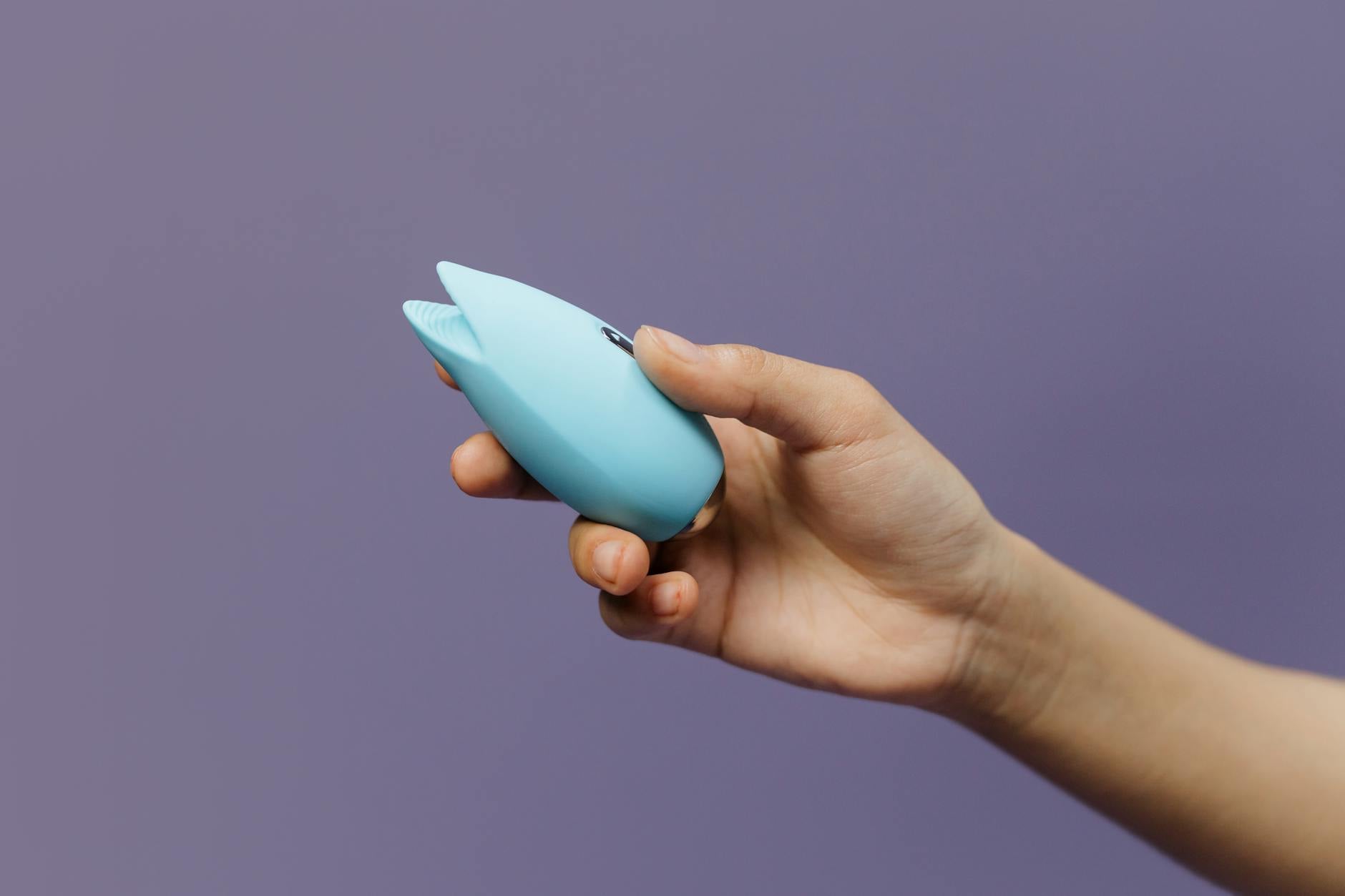
Lemon clitoral vibrators work differently. They use suction and pulsing rather than penetration. That distinction matters during recovery because your clitoris lives outside the surgical site on most procedures. It's accessible. It hasn't been touched. And suction creates consistent, gentle stimulation that doesn't require you to bear weight or position yourself in ways that might aggravate healing tissue.
The pulsing patterns on devices like the Lem start low and build gradually, which matches how your nervous system actually rebuilds arousal after trauma. You're not forcing intensity. You're meeting your body where it is.
First rule: get medical clearance from your surgeon or gynecologist. I mean actual clearance, not just "no penetration for 6 weeks." Ask specifically: "When can I resume clitoral stimulation?" The answer matters because it's different from when you can have penetrative sex.
Second rule: start with your hands before adding any device. Spend a week or two just touching yourself with no expectation of orgasm. This isn't foreplay. This is nervous system recalibration. You're teaching your body that touch is safe again.
Third rule: when you do introduce a device like a lemon vibrator, start on the lowest setting and use it on the external clitoris only. Not the vulva. Not near the incision or procedure site. Just the clitoris itself. Spend 5-10 minutes getting reacquainted with sensation at that low intensity.
Fourth rule: expect weirdness. Your orgasm might feel different. It might take longer to build. It might be stronger than before. All of that is your nervous system recalibrating, not a sign something went wrong.
Your body just went through a medical event. Whether the procedure was necessary or elective, your nervous system registers it as trauma. Even if the physical healing is complete, your brain might still be in protection mode. Numbness, hypersensitivity, and difficulty orgasming are often psychological as much as physical.
This is where returning to pleasure gradually matters. You're not just healing tissue. You're reestablishing trust between your brain and your body. That takes time and repetition. Using a device like a lemon vibrator at low intensity, with zero expectation of orgasm, actually supports that recalibration. You're sending your nervous system the signal: this is safe, this is gentle, this can feel good.
If you're with a partner, communicate specifically. "I'm rebuilding sensitivity" is different from "I don't want this anymore." One is temporary. One is relationship-altering information. Partners who understand the difference can help.
If you're 12 weeks post-procedure and sensation still hasn't returned, that's worth mentioning to your doctor. Nerve damage is rare but possible with some procedures.
If pain appears during any sexual activity, stop. Pain during recovery usually means you're pushing too fast, not that something is wrong. But persistent pain or pain that gets worse deserves professional assessment.
If orgasm feels completely different and remains distressing after a few weeks of gentle exploration, a pelvic floor physical therapist can help. Sometimes the pelvic floor clenches as a protective pattern after surgery, and that changes how orgasm feels. It's fixable.
If you're facing a gynecological procedure, talk to your surgeon or doctor about recovery timelines for sexual activity specifically. Not just "when can I have sex," but "when might sensation return to normal and what should I expect." Different doctors give different guidance, and you deserve clarity.
Ask specifically about the clitoris. Most procedures don't directly affect it, and knowing that can be reassuring.
Ask whether numbness or hypersensitivity is expected after your specific procedure. Some procedures commonly cause temporary numbness. Some cause hypersensitivity. Knowing which one applies to you helps you know what's normal.
Then when recovery starts, you're not navigating it blind.
Ask your surgeon or gynecologist specifically about clitoral stimulation. Most doctors clear clitoral play before full penetrative sex, but the timeline varies by procedure. For a cervical biopsy or colposcopy, it's often 3-4 weeks. For a hysterectomy, it's more like 8-10 weeks. Start with hands-only touch before adding any device, and begin on the lowest setting when you do.
Completely normal. Your uterus contributes to orgasm sensation through contractions and proprioceptive feedback. Your pelvic floor alignment might have shifted. Your nervous system is recalibrating what's safe. Different doesn't mean broken. Most people report that sensation normalizes or evolves into something new within 3-4 months.
Yes, gentle stimulation can actually help rewaken sensation. Start on the lowest setting for short sessions (5-10 minutes). The stimulation signals your nervous system that the area is safe and can receive input. Numbness usually resolves gradually over weeks to months.
Stop immediately. Pain means you're pushing too fast or the area isn't healed enough. Pain is your nervous system's signal that something needs more time. Return to hands-only touch or take a break for another week or two. If pain persists beyond 12 weeks post-procedure, talk to your doctor.
Yes. A cervical procedure affects the cervix and might change penetrative sensation but usually doesn't affect clitoral response. A vulval procedure might make the vulva hypersensitive initially but typically clears quickly. A hysterectomy changes how the entire pelvic region coordinates sensation because the uterus is gone. A pelvic floor physical therapist can help you understand what changed and how to work with it.
Most people report that arousal and pleasure start to feel normal again around 3-4 months post-procedure. Sensitivity usually stabilizes around 6 weeks. Full confidence and comfort often take 12 weeks or longer, especially if the procedure was unexpected or involved pain. Be patient with your body. Recovery isn't linear.
Return to pleasure after a procedure doesn't require waiting months in silence or forcing yourself back into old patterns. It requires patience, curiosity, and tools that match where your body actually is. Using lemon clitoral vibrators thoughtfully, starting low and building gradually, helps your nervous system relearn that touch and pleasure are safe again. Your doctor can clear your timeline. Your body determines your pace. Both matter.
If you're navigating recovery and feeling lost, that's worth talking through with a professional. A therapist, pelvic floor specialist, or gynecologist trained in sexual health can provide recovery-specific guidance that matches your body and your procedure.