One night you're ready in minutes. The next, nothing happens for 45 minutes. Your partner's confused. You're frustrated. Everyone feels like something's broken. It's not. Arousal variability between partners is one of the most common—and most unspoken—friction points in couples' sex lives.
The gap between what your body does on Tuesday and what it does on Friday isn't random malfunction. It's usually a combination of stress, hormones, emotional connection, distraction, medication, or just the fact that arousal isn't a light switch for most people. When one partner experiences fast, predictable arousal and the other doesn't, the mismatch can feel like a personal rejection when it's actually just biology running on different timelines.
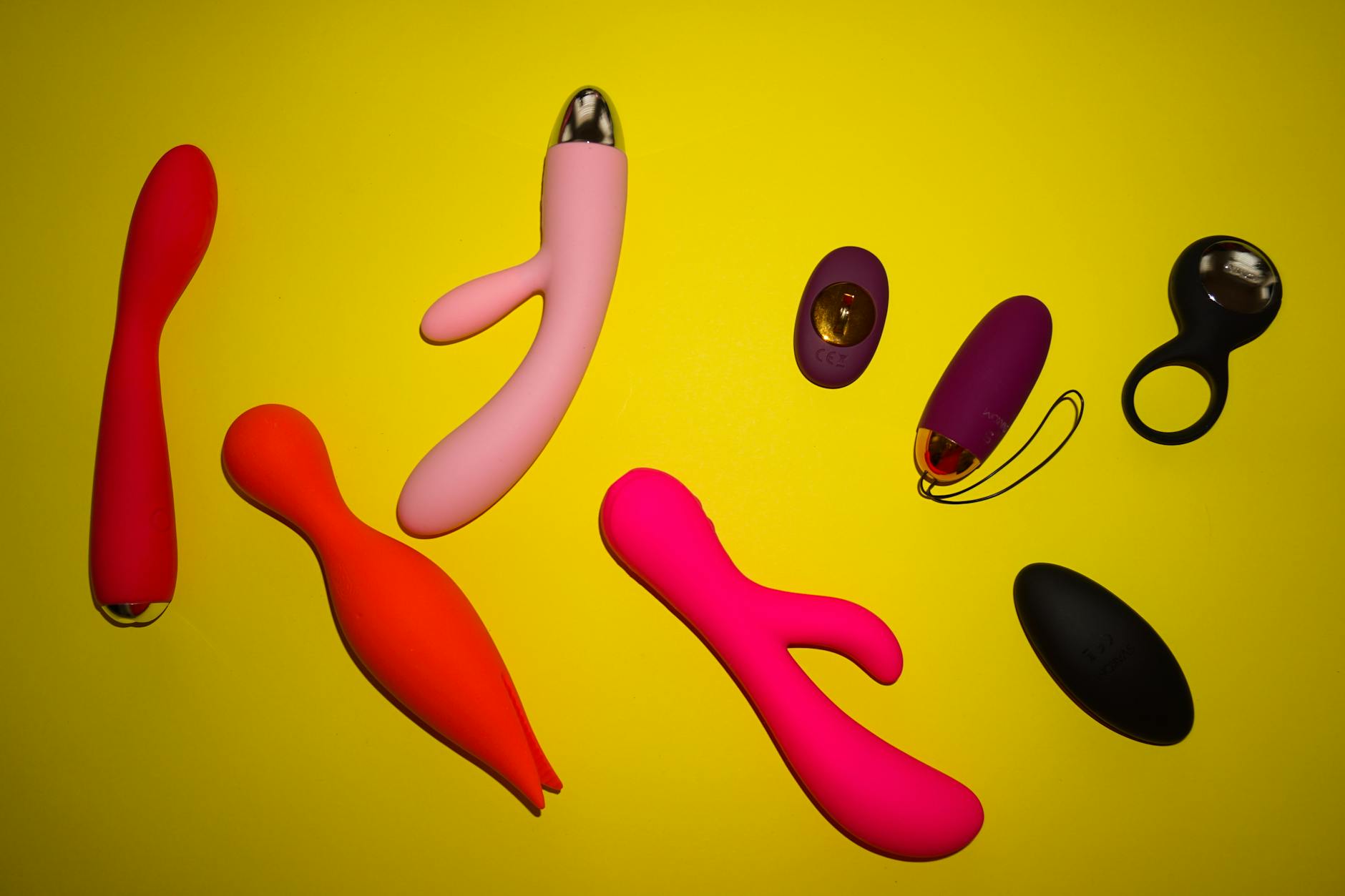
Lemon clitoral vibrators solve this by creating a bridge—a reliable way to build consistent sensation when arousal is being slow or elusive, without turning sex into a medical procedure.
Let's separate the myths from the mechanics. Arousal isn't something you either have or don't have. It's a process with multiple layers: mental arousal (what you're thinking about), emotional arousal (how connected you feel), and physical arousal (lubrication, blood flow, sensation). These don't always line up, especially in partnerships.
Common reasons for arousal inconsistency between partners:
Mental load. Your partner's thinking about their day. You're thinking about them. Those aren't symmetrical experiences.
Hormonal timing. Even people with consistent cycles experience arousal fluctuations day-to-day based on stress, sleep, caffeine, and what they ate.
Different base response times. Some bodies genuinely need 5 minutes of stimulation to feel anything. Others need 20. That's not a mismatch problem—it's just a pacing problem.
Emotional connection variability. Connection breeds arousal, especially for people with vulvas. One off day between partners can flatten everything.
Touch anxiety. If you're worried about how long you're taking to get aroused, your nervous system tightens. Tension kills arousal. Then both of you feel stuck.
The irony: trying harder to synchronize arousal usually makes it worse.
Here's what a lemon clitoral vibrator does that manual touch sometimes can't: it provides consistent, targeted stimulation without variance.
When you're using fingers or a partner's mouth, the pressure, rhythm, and intensity shift based on hand fatigue, attention, and positioning. That works beautifully when everything's aligned. When arousal is slow or inconsistent, that variation can feel frustrating. You're almost there, then the intensity changes. Start over.
A lemon suction vibrator—like The Lem—creates a sustained, repeatable sensation that doesn't fatigue or lose focus. You can find the exact pattern and intensity that works, and it stays consistent. That predictability is what allows arousal to actually build instead of constantly resetting.
For couples specifically, this matters because it removes the performance pressure. Your partner doesn't have to wonder if they're doing it right or if you're just never going to get there. The tool handles the consistency. Your partner can focus on presence and connection instead of troubleshooting.
If arousal unpredictability is your specific friction, the structure matters.
Start before you think you're ready. This sounds backward, but if your arousal baseline is slow, begin any intimate time earlier than feels natural. Don't wait for desire to show up first. Create conditions for it to arrive. This is especially true if you've internalized that something's wrong with your speed.
Use the vibrator early, not as a last resort. People often bring out lemon clitoral vibrators only when they're frustrated that "regular" sex isn't working. By then, you're both tense. Instead, make it part of the opening act. Integrate it into foreplay from the start, before either of you is waiting or watching.
Position for easy partnered access. Lie on your back or reclined so your partner can hold The Lem while also touching your body, kissing your neck, or simply being close. The vibrator isn't a replacement for connection. It's a tool that frees up your partner's hands and attention to stay emotionally present.
Let your partner control the intensity. This is where couples often fumble. Hand them the device. Let them find the rhythm and pressure. This reframes the experience from "you're trying to fix me" to "we're exploring this together."
Here's what I've seen shift couples' experience most: stop treating arousal unpredictability as a problem to solve and start treating it as a variable to map.
Instead of "Why does your arousal take so long?" ask "What helps your arousal show up most reliably?" That's a radically different conversation. The first one implies fault. The second implies curiosity.
When you bring lemon sexual toys into the conversation with that mindset, your partner hears "I want to understand what works for you" instead of "I'm frustrated with your body." That shift in framing reduces shame, which paradoxically makes arousal more consistent.
Consistency comes from safety and predictability. A tool like The Lem provides physical predictability. Your openness and curiosity provide emotional predictability. Together, they create the conditions where arousal can actually stabilize.
Sometimes you'll use the vibrator and still hit a wall. That's not failure. That usually means something else is in the way: stress, resentment, disconnection, or just that your nervous system isn't settled enough to feel pleasure.
If that's happening, pause the sexual part and address the relational part first. Spend 10 minutes talking about what's actually weighing on you. Touch each other without sex as the goal. Often, arousal follows connection, not the reverse.
If unpredictability persists even when you're relaxed and connected, it might be worth checking in with a healthcare provider. Hormonal shifts, medication side effects, or neurological factors can all affect arousal consistency, and some of those are worth investigating.
This is the most common concern, and it deserves a real answer. Start by separating attraction from arousal mechanics. You can be wildly attracted to someone and still have a nervous system that needs 20 minutes to wake up. That's not a reflection on them. Frame it that way. "This isn't about you. It's about me creating the conditions where my body can respond." The best couples have The Lem available without drama because they've named this explicitly.
Yes, absolutely. You can use The Lem externally while penetration happens, or take turns focusing on clitoral stimulation with the vibrator while your partner focuses on connection. Some couples use it early to build arousal reliably, then set it aside. Others keep it going throughout. What matters is that you both agree on the rhythm and nobody's trying to do everything at once.
Typically 5 to 15 minutes, depending on your baseline. If you're someone whose arousal naturally moves slowly, don't expect the vibrator to change your fundamental timeline. It makes that timeline more reliable and pleasant, which is different. You're not fixing slow arousal. You're creating consistency within it.
This happens constantly. Arousal patterns shift with stress, age, medication, hormones, and just the wear of time. If you and your partner have had synchronized arousal for years and it's changing, that's not a sign the relationship is broken. It's a signal to adapt your sexual routine. Bring in tools like lemon vibrators, expand foreplay, or revisit what arousal actually requires for you both at this stage.
Yes. Say something like: "I've noticed my arousal takes longer sometimes, and I don't want either of us to feel stuck waiting for it to show up. I'd like to try using a vibrator during foreplay. Are you open to that?" Most people say yes, especially when they understand it's not about them.
If there's relationship conflict underneath the arousal mismatch, absolutely. A couples therapist can help you both release the shame and blame around arousal timing and create a shared sexual narrative that doesn't hinge on perfect synchronization. Add tools like lemon clitoral vibrators on top of that relational work, and most couples find their way to consistency.
Unpredictable arousal isn't a defect. It's a signal that you need a different approach. Lemon vibrators don't magically sync desire between partners. They remove the variable of inconsistent manual stimulation, which takes pressure off both of you. Your partner gets to stop troubleshooting. You get to stop waiting and worrying. Both of you get to focus on what actually matters: staying connected while pleasure builds at its own pace.
Consistency comes from understanding that arousal doesn't have to be synchronized to be satisfying. It just has to be reliable. That's what tools like The Lem create. From there, the rest usually follows.