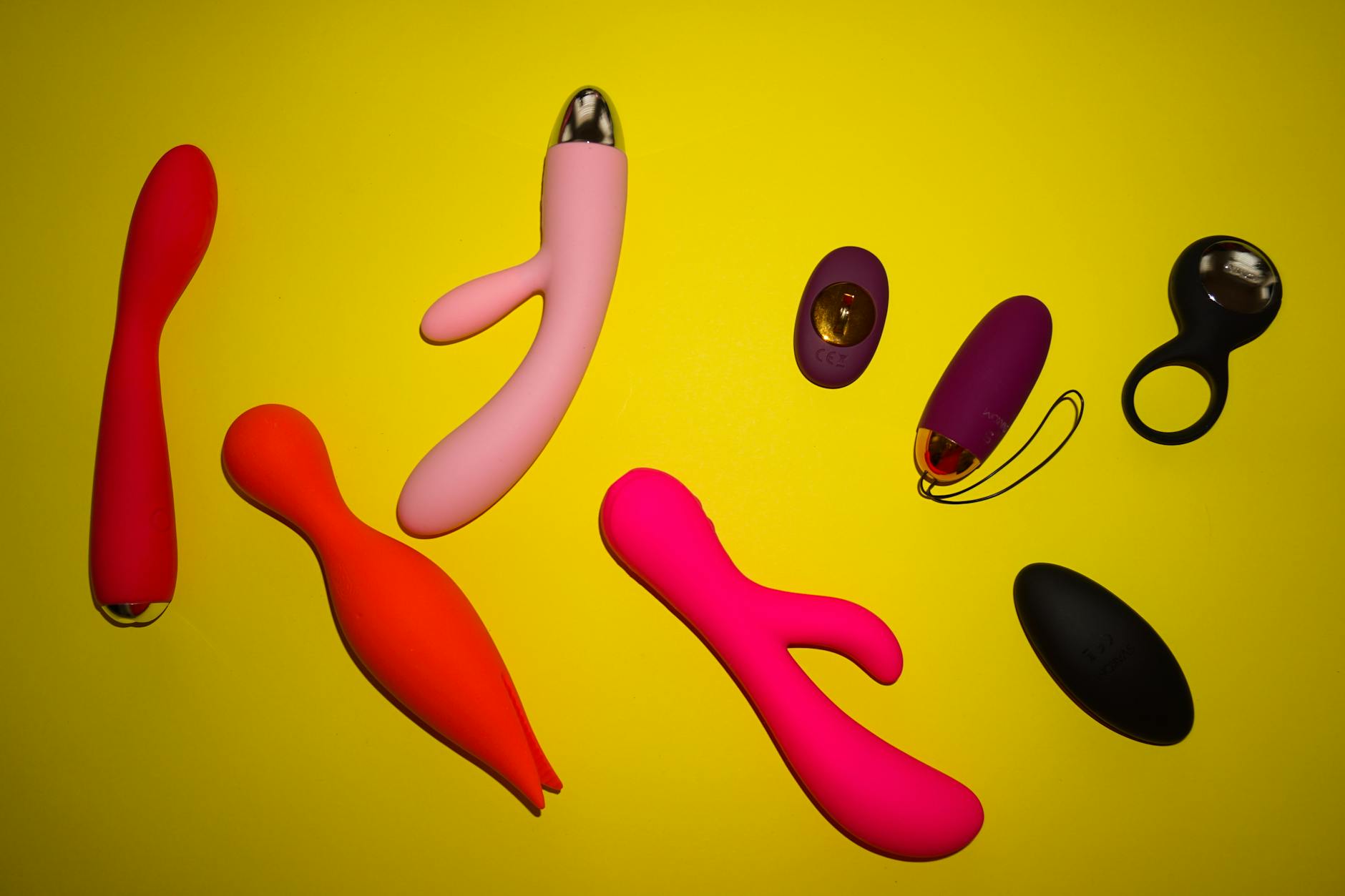
How to Use Lemon Vibrators When Desire Returns After Depression
When pleasure comes back, it often feels unfamiliar. Here's how to reintroduce yourself to sensation, slowly and without judgment, using tools designed for gentle exploration.
Depression numbs. When it lifts, the numbness doesn't disappear overnight. Your body wakes up in stages. Appetite returns first, sometimes energy a few weeks later. Desire, though? That often comes last. And when it does, it feels weird. Foreign. Like you're supposed to just slot back into your old rhythm, except your body doesn't remember the moves.
Depression flattens dopamine and serotonin. These aren't just mood chemicals. They're the neurotransmitters that make pleasure feel like pleasure. Without them, sex doesn't register as rewarding. It feels like a chore you've been assigned. Your brain literally loses interest, and your body follows.
Antidepressants help, but some of them make the numbness worse before it gets better. SSRIs in particular can delay orgasm or flatten arousal even after mood improves. That's not you failing. That's pharmacology.
The good news: sensation is recoverable. Your nerve endings didn't go anywhere. Your capacity for pleasure is still there. It just needs a gentle reintroduction.
Lemon clitoral vibrators, especially models like the Lem, use suction rather than vibration alone. That matters enormously during recovery because:
Suction is less overwhelming than buzz. Traditional vibrators can feel like static on your nervous system when you're emerging from depression. The pulsing sensation of a lemon sucker feels more like invitation than intrusion. It's sustained stimulation without the jarring on-off-on-off of a standard vibrator.
You control the intensity from the start. With lemon sexual toys, you're not hunting through five speeds trying to find one that doesn't feel like too much. You begin at the gentlest setting and stay there as long as you need.
There's no performance pressure. Solo exploration with a tool removes the spectator aspect. You're not trying to look aroused for anyone. You're just noticing what your body remembers.
Phase one: sensation without expectation. Set aside 15 minutes with no goal except to feel. Use your lemon vibrator on the lowest setting on external areas only. Your vulva has thousands of nerve endings outside the vagina. You don't need to go deeper. Spend time noticing texture, temperature, pressure. Is anything starting to feel good? Interesting? That's success. You're not chasing orgasm. You're rebuilding the sensation map.
Phase two: finding your edges. After a few sessions of phase one (this might be a week or three days, there's no timeline), slowly experiment with slightly higher intensities. Notice where sensation shifts from pleasant to overwhelming. That threshold matters. You're learning what your nervous system can hold right now. That limit will expand, but you're not forcing it.
Phase three: small pleasure goals. Once you've mapped out what feels good, you can start aiming for orgasm without it being the whole point. Use your lemon clitoral vibrator at the intensity you've identified, take your time, and let your body respond. If orgasm happens, great. If it doesn't, you still got time with yourself. You're still rebuilding.
If you start feeling numb again mid-session, stop. You're not broken. Your nervous system is probably fatigued. Your brain has been running on half power for a while. Sometimes it needs breaks.
If your antidepressant is still blunting sensation after three months of steady use, talk to your doctor about timing your dose or switching medications. Some people take their SSRI at night instead of morning. Others find a different med works better for their libido. This is a real conversation worth having.
If pleasure feels like it's supposed to be automatic and you're frustrated that it isn't, pause. Depression recovery isn't linear. You might have a week where everything feels amazing, then two weeks where sensation drops again. That's your brain adjusting, not you regressing. Patience with yourself isn't optional here. It's the foundation.
If you have one, your partner needs to know you're re-learning pleasure, but they don't need to be part of every session. Some of this work is solo. Using your lemon vibrator alone is how you reclaim ownership of your own sensation. It's not rejection. It's recalibration.
When you do reconnect with a partner, start with conversation. Tell them what you've discovered about what feels good right now. Tell them you might need to go slower than before. Tell them you're not avoiding them. You're protecting the fragile new relationship you're building with your own body.
Partners who understand this become part of the recovery, not obstacles to it.
If desire returns but sex still feels deeply wrong or painful or associated with shame, that's worth exploring with a trauma-informed therapist or sex therapist. Depression can layer on top of other stuff. Sometimes pleasure got tangled with guilt or fear before depression even showed up.
A therapist isn't there to make you want sex. They're there to help you untangle the stories your nervous system learned to tell about your own body.
Also check in if you're hitting phase two and sensation still feels completely numb. That might mean your medication adjustment timeline needs tweaking. It might mean your depression needs a different treatment approach. Either way, you have information worth sharing with your prescriber.
Some people get their pleasure back in a month. Some take three. Some take longer. The speed has nothing to do with how much you want it or how hard you're trying. It's biology. Be boring about this. Track what works. Use your lemon sucker regularly. Notice changes without pushing for them.
Your body isn't lazy or broken. It's recovering. Recovery looks like patience.
Absolutely. In fact, starting gently with a tool like a lemon vibrator can help you understand whether your numbness is medication-related or depression-related. If sensation improves as your mood lifts, that's useful data. If it stays flat, that's worth discussing with your prescriber.
Guilt often comes from the belief that pleasure is frivolous or something you have to earn. Depression recovery isn't about earning anything. Gentle self-touch, including with lemon sexual toys, is part of nervous system healing. You deserve that. Not eventually, now.
Real desire starts as curiosity. You think about sensation without dread. You can imagine touching yourself and it doesn't feel like homework. Forced desire feels effortful. It comes with pressure. If you're using your lemon vibrator and it feels like checking a box, you're probably pushing too hard. Pause and try again next week.
Yes. Your nervous system has been through something. Sensation might feel sharper or softer or just plain different. That doesn't mean something's wrong. Your body is new. You're learning it again. Let it be unfamiliar for a while.
That depends on your relationship and your comfort. If you have a partner who you generally confide in, they'll probably want to know and might feel closer to you for including them. If you need privacy and solo exploration right now, that's valid too. You don't owe anyone access to your recovery process.
Then you practiced self-care and took time for yourself. Orgasm isn't the only success metric. Consistency matters more than results when you're rebuilding. Show up regularly, keep expectations low, and let your body surprise you.
It might feel like it, but your body remembers pleasure. The pathways are still there. Depression just closed the gate for a while. Lemon vibrators, used with patience and gentleness, help you remember how to open it again. There's no rush. There's no right way. There's only your body, your nervous system, and permission to move slowly.
If you're struggling with your recovery or feeling stuck, reach out. We're here to help.