Orgasms take longer now. That's the complaint I hear most often, and it lands somewhere between frustrating and demoralizing. But here's what matters: taking longer is not the same as impossible. And it's definitely not a sign that your body stopped working.
Three major pathways converge here, and usually more than one is active at the same time.
First: neurological shift. Your brain's arousal circuits literally run on different fuel as you age. The same stimulation that fired immediately at 25 now needs what I call a "warm-up sequence." Your clitoris still has the same nerve density. Your brain still has the same capacity for pleasure. What changed is the pathway between them. It's like the route is longer, not the destination.
Second: attention and distraction. The mental load of daily life eats arousal alive. Relationship stress, work anxiety, family obligations, body image doubt. These aren't small background noise. They're active suppressors of the neurological cascade that leads to orgasm. A decade ago, you might have had the mental bandwidth to override them. Now? Your brain is protecting you by keeping arousal shallow.
Third: physical desensitization. Repetitive stimulation, the same rhythm every time, or a partner who knows "what works" but hasn't adjusted for how your body's responding now. All of these compress sensitivity over time. You're not numb. You're accommodated. Your nervous system stops firing at the same intensity because it's heard the same signal a thousand times.
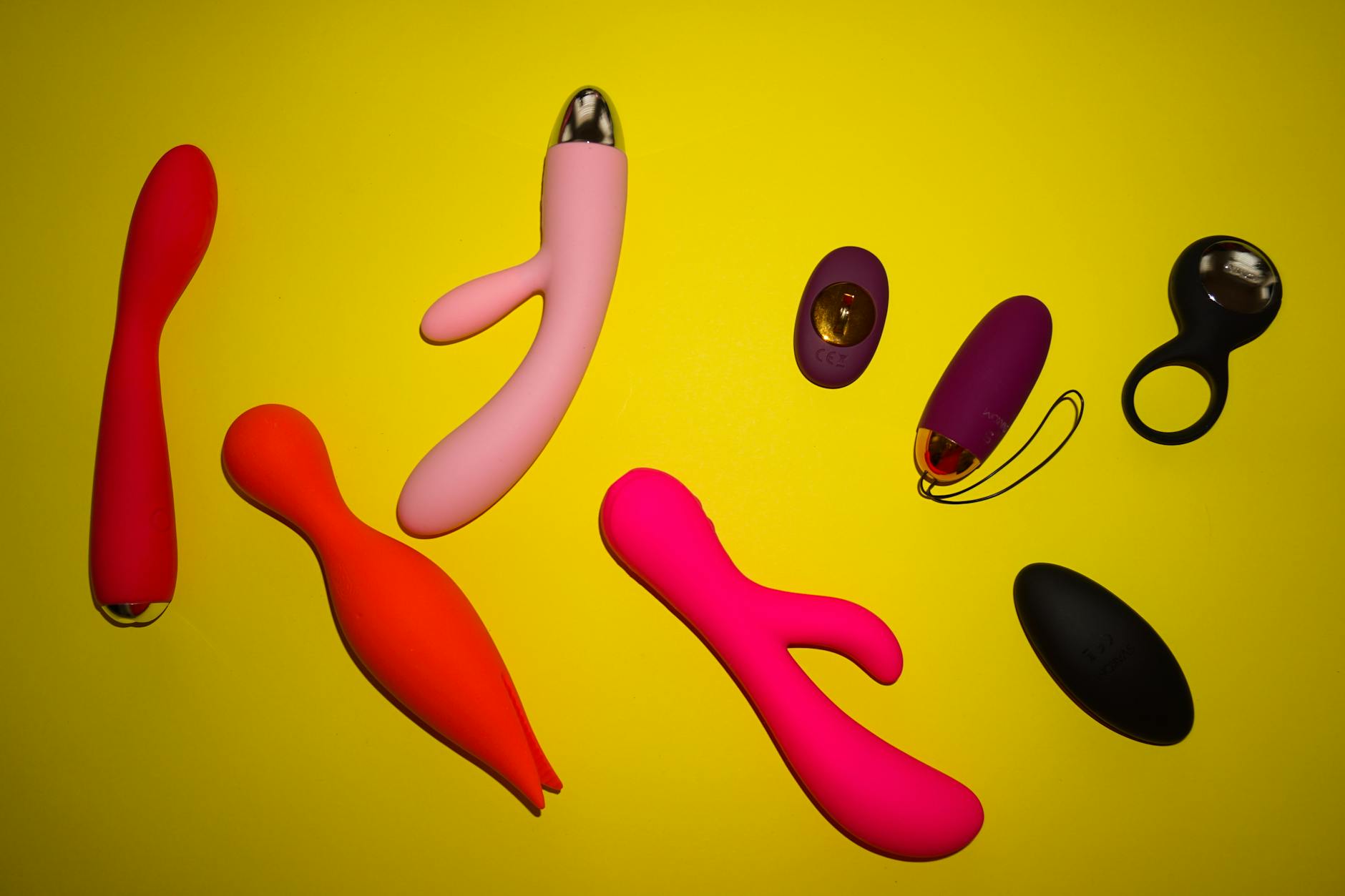
Clitoral vibrators like the Lemon line work because they break the accommodation cycle. You're not replacing broken biology with a machine. You're introducing a stimulus pattern your nervous system doesn't have a automatic response to yet.
Here's the mechanism. A lemon clitoral vibrator uses rapid oscillation or suction to stimulate the clitoris in a way that's either faster or more varied than manual stimulation or conventional vibration. Your nervous system stays interested because the pattern keeps shifting slightly. This resets the accommodation threshold.
That matters specifically when orgasms feel distant. A sex toy isn't a substitute for figuring out why they slowed down. But it's a reset button while you're working on the deeper stuff.
There's a common mistake I see: people use lemon vibrators the same way they'd use anything else. Start at low intensity, gradually increase, hope for the best. That's exactly backward when you're dealing with delayed orgasms.
Start higher in intensity, not lower. When arousal takes a long time to build, your nervous system is actually waiting for a signal strong enough to break through. Low, gentle stimulation just extends the warm-up phase. Go straight to moderate intensity (usually pattern 3 or 4 on a lemon vibrator) right from the start. You're not being aggressive. You're being efficient.
Use variety, not repetition. Oscillating between two or three different patterns keeps your nervous system engaged. Don't find "the pattern that works" and stick with it. Rotate every 60-90 seconds. This sounds counterintuitive when you want results, but your brain is built to respond to novelty. Novelty is actually what accelerates the arousal curve.
Build in a pause cycle. This is the piece nobody talks about. Stimulate for 2-3 minutes, back off for 20-30 seconds, stimulate again. Those pauses let your nervous system "reset" slightly, so when stimulation returns it registers with fresh intensity. This pattern actually shortens the overall timeline to orgasm when you're dealing with delayed response.
Where you place a lemon vibrator changes what you're stimulating. Most people assume it's one sensation. It's not.
Direct clitoral contact is the fastest path for delayed arousal, but it's also the most intense. If sensitivity is part of why things are slower, direct contact might actually push you into overstimulation territory, which shuts everything down. Instead, try angling the vibrator slightly so you're hitting the area around the clitoral glans, or the upper hood. You'll get stimulation that feels purposeful without the shock.
Pressure also shifts the sensation profile. Light pressure activates different nerve fibers than firm pressure. When orgasms are delayed, experiment with varying pressure every minute or so. You're looking for the sweet spot where stimulation feels urgent but not painful.
Here's what I've noticed in my practice: people use a clitoral vibrator, orgasm feels slightly closer, and then they get discouraged because it "still took forever." They're measuring against an old timeline, not against where they actually are now.
Let's reframe. If orgasms used to take 8 minutes solo and 20 with a partner, and now they take 15-20 solo, a good lemon vibrator might get you to 8-10. That's a win. But the mental story you're telling yourself ("I used to be faster") is actively working against you. Comparison kills arousal.
The second mental piece: anticipation. The more you think "will this work," the less your nervous system is actually present for the sensations. This is why people often have their best experiences with a lemon clitoral vibrator when they're NOT trying. They pick it up casually, without the weight of "I need this to work," and suddenly it does.
If you're in a relationship, delayed orgasms can feel like a partnership problem. It's not. It's your nervous system recalibrating. But the way your partner responds matters enormously.
The worst move: pressure. "Are you close?" "Does this feel good?" Constant check-ins turn arousal into a performance task. Your brain stops tracking sensation and starts tracking their impatience.
The best move: independent exploration first. Use a lemon vibrator solo, figure out what actually works, then show your partner the pattern if you want to. This removes the pressure dynamic entirely. You're not proving anything to anyone. You're just learning your own body's new timeline.
If you want to incorporate a clitoral vibrator during partnered sex, the simplest approach is: they stimulate you with it while you're together, without it being a substitute for their attention. Most partners who initially resist toys change their mind when they see how much faster and more reliably orgasm happens. It's not competition. It's alliance.
If orgasms slowed down over a few weeks or months (rather than years), check three things.
Medication side effects. SSRIs, blood pressure meds, and hormonal contraceptives can flatten sexual response. If you've started something new in the past 6 months and noticed the shift, that's likely connected. Talk to your doctor about timing or alternatives. A lemon vibrator helps, but it won't override a systemic medication effect.
Hormonal changes. Thyroid issues, estrogen fluctuations, testosterone drops. These aren't just about lubrication. They affect neural firing patterns directly. If delayed orgasms arrived with other changes (fatigue, mood shifts, temperature sensitivity), get labs done before assuming it's just aging.
Stress load. I mention this last because it's the most obvious and the most ignored. A sustained stress state (job crisis, relationship strain, family caregiving) genuinely suppresses the neurological cascade for orgasm. You can use the best lemon clitoral vibrator in the world, but if your nervous system is in protection mode, nothing accelerates easily. Sometimes the fastest path to faster orgasms is actually managing the stress, not the stimulation.
Using a lemon vibrator when orgasms are delayed works. But it works fastest when you're not white-knuckling toward the goal. Slow arousal usually comes paired with goal-focused thinking ("I need to come"), which paradoxically makes orgasm harder to reach.
The real shortcut is reframing from "how do I make this faster" to "what does my arousal actually need right now." For some people, that's higher intensity. For others, it's less pressure. For most, it's a combination of tools, timing, and mental shifts that I see people figure out in 2-4 weeks of consistent solo play with a lemon vibrator.
Your nervous system's arousal pathways lengthen over time. Neurologically, it takes more signal, more time, or both to reach the threshold for orgasm. This isn't malfunction. It's how aging nervous systems work. A lemon clitoral vibrator helps by providing a signal strong enough to bridge that gap more efficiently.
Start at the lowest setting and use indirect contact (angle the vibrator so you're not directly on the clitoral glans). The key is finding the sweet spot between "urgent" and "overwhelming." Many people with sensitivity issues find that starting higher than they expect actually helps, because a strong signal doesn't trigger the same avoidance response as a tickling sensation. Experiment with patterns and pressure.
Most people notice a shift within 3-5 solo sessions with a lemon vibrator. If you're not seeing anything after two weeks of regular use, the issue is probably not mechanical (the vibrator works fine) but something else—stress, medication, relationship dynamics, or an undiagnosed hormonal shift. That's when a doctor's input becomes valuable.
No. This is a myth. Your nervous system doesn't "prefer" vibration and then reject everything else. What actually happens: you figure out what speed or intensity your body responds to, and then you have baseline information you didn't have before. You can absolutely return to manual stimulation or partnered sex. You're just more informed about what you need.
That depends on your relationship. If you're keeping it secret because you're embarrassed, that's worth examining. If you're keeping it secret because you want to understand your own body first before involving them, that's perfectly fine. I usually recommend trying solo first, building confidence, then deciding whether to share. Some partners feel threatened. Most just want you to feel good. You'll know which way yours leans.
Then the delay isn't mechanical. It's neurological, hormonal, or emotional. Get labs done (thyroid, estrogen, testosterone). Talk to your doctor about medications. Work with a therapist on stress or relationship dynamics. A lemon vibrator is a tool, not a cure. Sometimes the most effective thing is addressing the root cause, not accelerating the symptom.
Orgasms taking longer is not a failure of your body. It's information about how your nervous system is functioning right now. A lemon clitoral vibrator gives you a way to test hypotheses and find what actually works. Start there, stay patient, and adjust based on what you learn about yourself. That's the real shortcut.