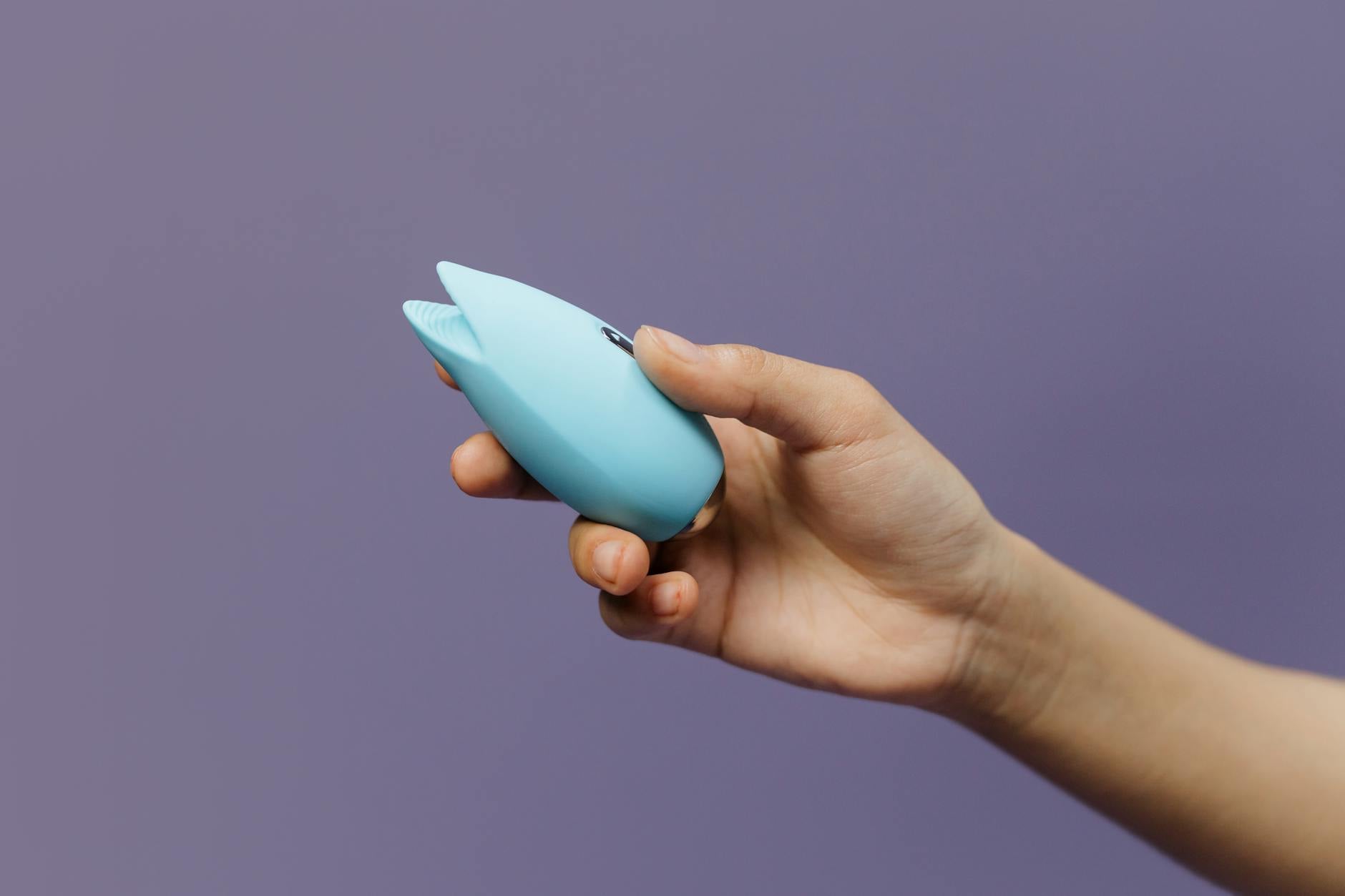
You're months into dating someone new. Things are going well. Sex is good. And then this thought appears: "What if I brought out a vibrator?" Suddenly your brain starts rehearsing speeches like you're preparing for a TED talk. You imagine the pause. The question. The moment where everything gets weird.
Here's what I've heard from hundreds of people navigating this exact moment: the conversation is almost never as awkward as the imagined version. The actual problem is that you've built it up so much in your head that even a neutral response feels like rejection.
Let me walk you through how to move past the mental rehearsal and actually do this in a way that feels good for both of you.
There's a psychological reason the toy conversation feels heavier with someone new. Early dating is the bonding phase. You're both still figuring out if this is worth your time. Introducing a vibrator can feel like you're adding a variable to an equation that's still unstable.
But here's the twist: new partners often have fewer hang-ups about toys than long-term partners. They haven't had years to develop assumptions about what "normal" looks like in your sex life. They're not comparing your current interest in lemon clitoral vibrators to what you wanted three years ago. They're just meeting you as you are now.
The nervousness is real, but it's usually about your own story around toys, not about how they'll actually respond.
The smartest move is to introduce the idea casually before it becomes a "thing." This means normalizing vibrators as part of your world.
A few natural openings:
While scrolling together. If you're on your phone and an ad for a lemon vibrator or clitoral vibrator pops up, don't hide it. "Oh, I've been thinking about trying one of these. Everyone says they're actually amazing." That's it. No question, no waiting for permission. Just a statement.
During a sex conversation. If they ask what you like or what turns you on, mention it. "Honestly, I've been curious about using a vibrator. I think it could feel really good, and I'd want to try it with you if you're into it." The second part matters because you're making it collaborative, not solitary.
When talking about pleasure in general. This one's gold because it has nothing to do with nervousness or permission. You're just being honest. "I think I've gotten to a point where I know what my body needs. For me, that includes vibration sometimes. Does that work for you?" Frame it as knowing yourself, not as a request he can refuse.
Option 1: Bring it up before sex. Tell them an hour or two before anything physical is happening. This gives them time to process without the pressure of immediate reaction. "Hey, I want to try something new next time. I'm thinking of using a vibrator. I'd love to incorporate it into what we're already doing. What do you think?" This is straightforward and takes most of the mystery out of it.
Option 2: Bring it up mid-foreplay. This is lower stakes than you might think. You're already intimate. The energy is already flowing. "I grabbed something I want to try. Want to see?" Most people either say yes or "Maybe next time." Neither kills the mood if you don't make it. Keep the tone playful.
Option 3: Use it solo first, mention it after. This is the gentlest entry. You use it alone, it's amazing, and then you casually tell them you tried it. "So I finally got one of those lemon vibrators everyone talks about. It's actually incredible. I'm wondering if we could use it together sometime." No asking permission, just inviting them into something you've already claimed for yourself.
If they say yes: "Great. Let me show you what I'm thinking." Then demonstrate. Let them hold it. Let them try it on your arm to get a feel for the vibration pattern. Use it on yourself a bit so they see how it works. This demystifies it instantly.
If they say "Maybe later": Don't push. "Cool, no pressure. We can try whenever you're interested." And then you drop it. Not forever, but for that night. Pressure kills the whole vibe.
If they seem confused: "It's basically a vibrator designed for clitoral stimulation. They're actually really popular. Want to look at it together?" Again, matter-of-fact. Confusion isn't rejection.
If they're weird about it: That tells you something important about compatibility, but it doesn't mean you're wrong for wanting it. A partner who shames your sexuality isn't a partner you should stay with long-term. But in the immediate moment, you can say, "This is something that feels good to me. I'd love to explore it with you, but I understand if you need time to get comfortable with it."
Talk them through what feels good. "It feels amazing when you use it here" or "I like this pattern better than that one." You're teaching them about your body. That's intimate and incredibly hot.
Don't expect it to be perfect the first time. Maybe they hold it at the wrong angle. Maybe the timing feels off. That's normal. You adjust together.
If you're the one feeling nervous, trace back why. Are you nervous because you think they won't like it? Because you're not sure they like YOU? Because you've internalized shame around your own pleasure?
Each one needs a different response. But the common thread is this: your pleasure is not negotiable. A vibrator is just a tool. If someone loves you, they'll want you to have good experiences in bed. That's not selfish. That's not weird. That's baseline.
Clitoral vibrators like the ones from The Lemon Pleasure are designed specifically for external stimulation, so there's no penetration component that can feel more intense or intimidating to a new partner. The suction technology is quieter than traditional vibrators, which means it's less obvious and less mechanical feeling. And honestly, they look less "toy-like" than some options, so the psychological hurdle is lower.
But the real reason it works is that it's designed around your pleasure, not around fitting into someone else's fantasy of what sex should look like. Partners feel that energy.
Once you've done this once, it gets infinitely easier. You've proved to yourself that it's not a disaster. You've proved to them that you're someone who knows what she wants. And you've created a pattern where toys are just part of your sex life, not a big scary thing.
Future partners will find it completely normal. And you'll find that people who are worth staying with? They're usually relieved. It means you know yourself. It means you can communicate. It means the sex doesn't all depend on them reading your mind.
That's actually the best possible setup for a new relationship.
That's a very common fear, but it's based on misunderstanding what vibrators do. A vibrator doesn't replace a partner. It provides a different type of stimulation. You can have great partnered sex and still enjoy vibration. The two aren't mutually exclusive. If he's worried about this, you can directly address it: "This isn't about you. It's about exploring different sensations. I like sex with you. I also like this. Both things are true." If he remains insecure about it, that might be worth a bigger conversation about what he needs to feel secure in the relationship.
There's no universal timeline, but early is actually better than late. The longer you wait, the more you've built up the conversation in your head. A couple of months in, you've usually done enough sexual exploration to know if you're compatible, but the relationship isn't so established that introducing something new feels threatening. If the sex is good and communication is open, it's fine to bring it up at three months or six months. What matters is how comfortable you feel, not the calendar.
That actually works in your favor. They don't have previous experiences or assumptions to compare it to. You're just introducing them to something new together. Make it educational and fun, not pressured. Show them how it works, let them experiment with it on their own body so they understand the sensation, and then incorporate it into sex together. Inexperience with toys is very different from discomfort with toys.
Keep it private until you've had the conversation. Leaving it visible can feel like pressure or like you're testing him without his knowledge. Once you've talked and he's open to it, then you can have it accessible during sex. This is a boundaries and consent thing. The conversation happens first.
Watch his body language and listen to his words. Comfortable partners ask questions ("How does this work?" or "What does that feel like?"). They experiment a little. They might seem curious. Partners who are just going along with it often stay quiet, seem tense, or say things like "Whatever you want" in a flat tone. If you're not sure, check in. "Are you actually into this, or are you just doing it for me?" His answer will tell you what you need to know. If he's not into it, that's fine. You can use it solo or decide together how often it comes out. But don't pretend someone's comfortable if they're not.
Show him. Let him hold it and get a feel for the pressure and patterns. Guide him the first time: "A little higher" or "Slower please." Most people catch on quickly. If technique is genuinely the issue, you can say, "I think it works better when I guide it" and take back control. You're not hurt his feelings. You're just optimizing for what feels good. That's very normal and very healthy.
Introducing a lemon vibrator or any clitoral vibrator to a new relationship isn't actually complicated. The complexity is mostly in your head. A partner who genuinely wants you feels genuinely good? They'll want you to feel genuinely good too. That includes having the sex life that works for your body.
Start with honesty. Follow with confidence. Adjust together. That's it.
If you want to explore this further or work through specific relationship dynamics around pleasure and communication, reach out to us at /contact. We're here to help.