How to Use Lemon Vibrators When You Have Vaginismus or Penetration Anxiety
Vaginismus isn't a failure or a flaw. It's your nervous system doing its job too well. Here's how clitoral vibrators help you rewire pleasure without the pressure.
Vaginismus isn't psychological weakness masquerading as a physical problem. It's the opposite. Your pelvic floor muscles are responding exactly as designed. When your nervous system perceives a threat (penetration, pressure, anxiety about pain), it contracts those muscles to protect you. The problem is that this protective reflex has become your baseline, and now even the idea of penetration triggers it.
Here's what most people get wrong: they think vaginismus means you can't enjoy sex. It doesn't. It means penetrative sex specifically feels painful or impossible. But pleasure lives elsewhere. Clitoral stimulation, the kind lemon vibrators provide, bypasses the entire vaginismus loop because it doesn't involve penetration or the anticipation of it.
Clitoral pleasure works through a completely separate neural pathway than the one triggering your pelvic floor response. When you use a lemon clitoral vibrator, you're activating the pudendal nerve, which carries sensation from the clitoris. This activation doesn't conflict with vaginismus. It sidesteps it entirely.
The second reason matters just as much: control. Vaginismus thrives on uncertainty and loss of agency. You don't know when the pain will hit or how intense it'll be. With a lemon vibrator in your hand, you control everything. The intensity, the pattern, the speed, when to start, when to stop. This restoration of control is therapeutic in itself.
Third, consistent pleasure rewires your nervous system over time. Your body starts learning that sexual situations don't have to mean pain. It's not a quick fix, but it's a real one.
Start alone. No pressure, no partner, no audience in your head. Use your lemon vibrator at low intensity settings (pattern 1 or 2) in a comfortable space where you feel safe. The goal isn't orgasm. The goal is noticing sensation without anxiety layered on top.
Spend 15 to 20 minutes just exploring. Let your arousal build slowly. Most people with vaginismus have been in pain-avoidance mode so long they've forgotten what neutral sensation feels like, let alone pleasure.
If anxiety spikes, pause. Don't push through. Your nervous system is learning that it's safe to explore, and pushing creates the opposite message.
Phase 2: Building consistency (weeks 4-8).
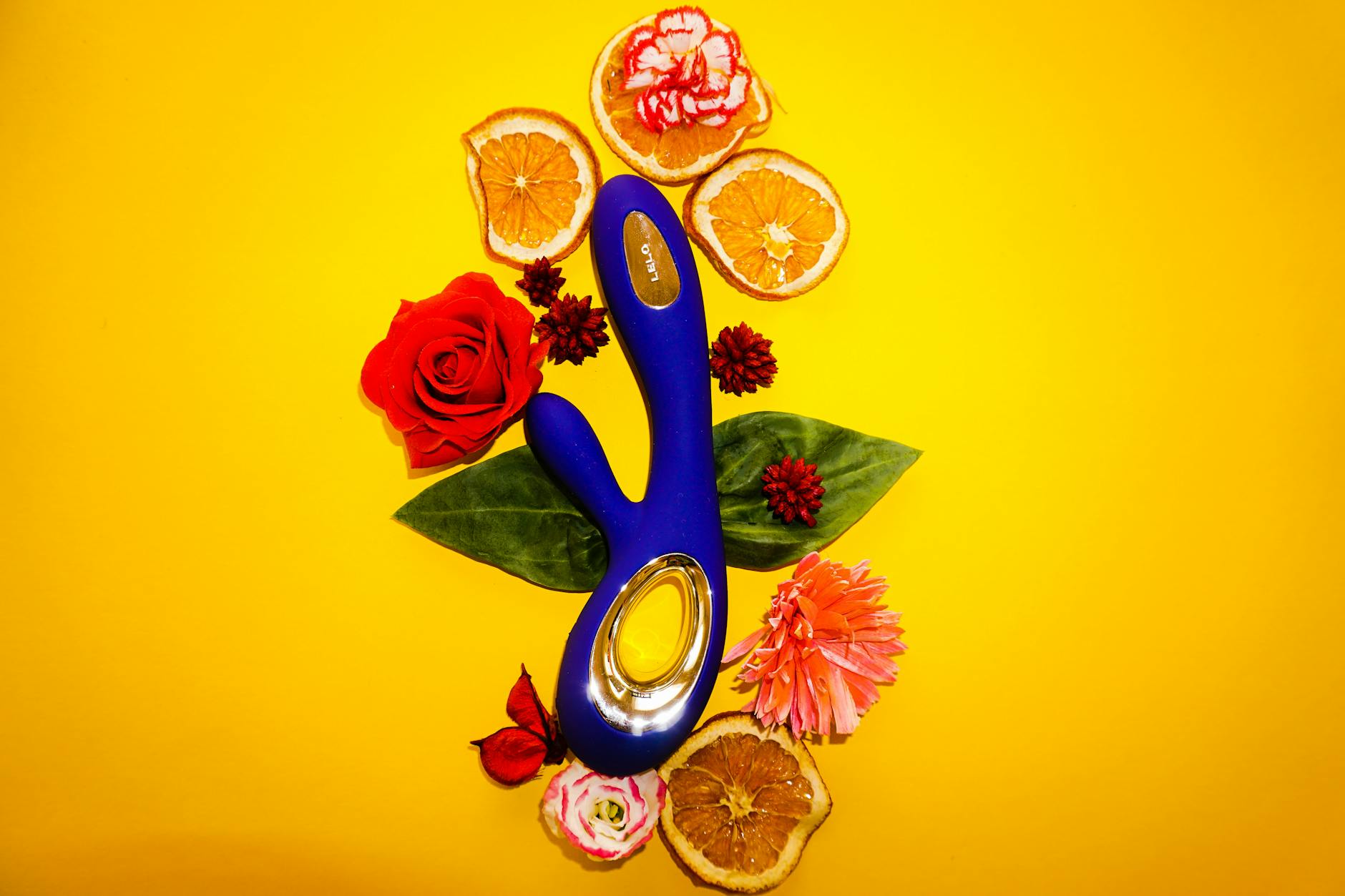
Once you've had a few sessions where you felt mostly calm, start introducing slightly higher intensities or patterns. The Lemon Pleasure clitoral vibrators have multiple settings specifically designed for this kind of gradual progression.
At this stage, you're rewiring the association between sexual arousal and safety. Each time you experience pleasure without pain, your nervous system updates its threat assessment.
Keep a simple log: date, setting used, how you felt before and after, any anxiety that came up. This isn't medicalized tracking. It's data for you. Patterns emerge quickly.
Phase 3: Integrating with a partner (weeks 8+).
When you're ready, bring your partner in. Let them watch you use your lemon vibrator. This step is powerful because it separates "your pleasure" from "performance for your partner." They see that you can have pleasure independently. You maintain control.
If your partner wants to participate, they can hold the vibrator while you guide. Emphasis on you guiding. You're still in charge.
At no point should there be pressure toward penetration. That's the old script. The new script is: your body gets to experience pleasure. Full stop.
Anxiety doesn't mean you're doing it wrong. It means your nervous system is still in protection mode, which is normal given what you've experienced. Here's what helps when it spikes.
First, name it. "I'm feeling anxious right now." Not "I'm broken" or "This won't work." Just the fact. Naming reduces its intensity.
Second, pause the vibrator but don't abandon the session. Keep your hand there. Breathe. Let your body regulate.
Third, shift the focus temporarily. If the vibrator feels too much, switch to manual stimulation for a bit. No vibration, just your own touch. Many people find this feels safer because they control the pressure more granularly.
Return to the vibrator when you're ready. No rush.
The suction-based design of lemon adult toys means they work through a gentler, non-vibrational mechanism compared to traditional vibrators. For people with vaginismus, this often feels less triggering because there's no jarring vibration. The suction is steady, controllable, and many users report it feels more like massage than assault.
Start at the lowest suction level. You're not looking for intensity yet. You're looking for familiarity. Let your body get used to the sensation before you turn up the setting.
If you're three months into consistent practice and anxiety is still spiking hard, or if you have a history of sexual trauma, a therapist trained in trauma-informed pelvic floor work or sex therapy can help. They can work alongside your efforts, not instead of them.
Physical therapy specifically for the pelvic floor also works well. A trained PT can teach you how to actually relax those muscles on command, which sounds simple but is genuinely transformative for vaginismus.
Your GP or gynecologist should also know what you're managing. Some providers can offer additional tools like topical anesthetics or muscle relaxants if the anxiety is severe, though these are usually temporary bridges while you're doing the nervous system work.
Honestly, vaginismus recovery isn't fast. Your nervous system learned this protective pattern for a reason, and unlearning it takes time. But it's one of the most changeable sexual difficulties out there. People recover from vaginismus all the time.
The fact that you're exploring clitoral pleasure independently is already a win. You're proving to yourself that your body can experience pleasure. That's the foundation everything else builds on.
Absolutely. Lemon clitoral vibrators don't involve penetration, so they sidestep the vaginismus response entirely. They're actually one of the best tools for reclaiming pleasure while you're working through the condition. Start at the lowest intensity and go at your own pace.
It varies. Some people notice significant shifts in 6 to 8 weeks of consistent, pressure-free exploration. Others take 3 to 6 months. Recovery isn't linear. You might have great weeks followed by a regression. That's normal. The key is consistency and self-compassion, not speed.
That's a conversation worth having directly. Vaginismus isn't about your partner. It's about your nervous system being in protection mode. A vibrator isn't a replacement for them. It's a tool that helps you rewire your relationship with pleasure and penetration. If they frame it as competition or rejection, that's their anxiety to work through, possibly with a couples therapist.
Yes. Many people overcome it fully. They can have penetrative sex comfortably when they want to. But even after recovery, some people choose to keep using clitoral vibrators because they prefer them. Pleasure isn't one-size-fits-all. The goal is options, not obligation.
No. It's a conditioned response, not a fixed condition. Your nervous system learned to contract. It can learn to relax. That rewiring takes intention and time, but it's absolutely possible. Working with a lemon clitoral vibrator while you're also addressing the underlying anxiety (whether through therapy, pelvic floor PT, or both) speeds the process significantly.
That's sometimes a sign you pushed too hard too fast. Your nervous system got activated in a protective way. Back off the intensity or duration. Go slower. Or pause for a few days and then try again. If it consistently makes you feel worse, talk to a sex therapist or pelvic floor specialist. There might be a different approach that works better for your body.
Vaginismus tells your body a story: "This isn't safe." Using a lemon clitoral vibrator at your own pace, in your own space, tells your body a different story: "I can feel good. I'm in control. This is safe." That new story, repeated over weeks and months, rewires the old one. Not overnight. But genuinely.
If you want to explore this further or have questions about your specific situation, reach out to our team at /contact. We're here to help.