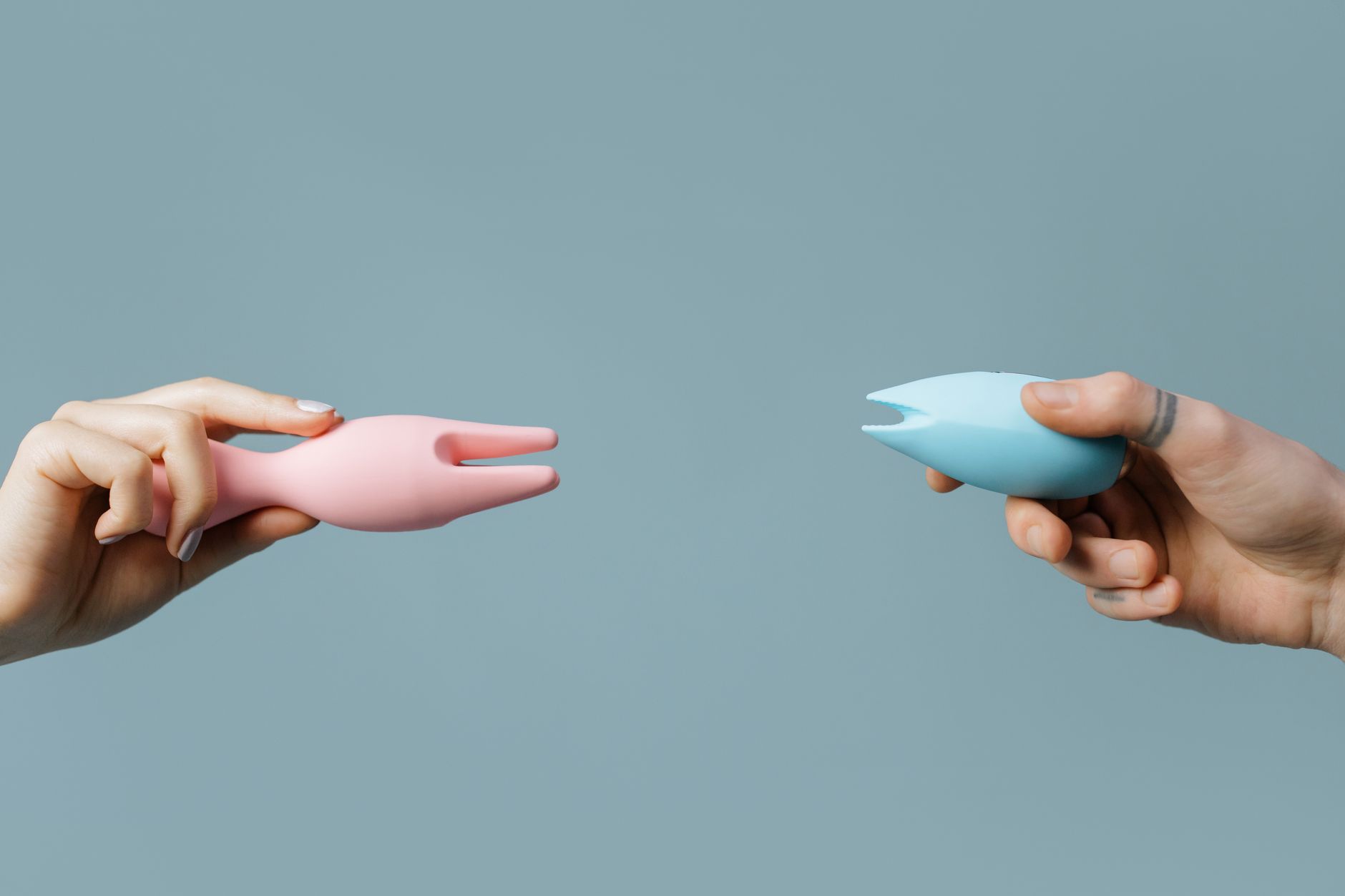
How to Use Lemon Vibrators When Returning to Solo Pleasure After Loss
Grief changes everything about desire. Here's how to rebuild your relationship with pleasure after loss, at your own pace, with tools designed for sensitivity.
Loss rewires your nervous system. Whether you're grieving a relationship, a person, a phase of life, or something else entirely, pleasure becomes complicated in ways that catch you off guard. Your body might feel foreign. Desire might feel wrong, or missing, or both at once. Solo pleasure in particular can feel like a luxury you don't deserve, or a betrayal of what you've lost, or simply impossible to access.
Here's what I know after two decades of working with people navigating major life transitions: your capacity for pleasure doesn't disappear. It hibernates. And when you're ready to wake it up again, it helps to have tools that respect where you actually are right now, not where you think you should be.
Grief isn't just emotional. It's neurological. Loss triggers a cascade of responses in your brain that prioritize survival over sensation. Your amygdala, the threat-detection center, goes into overdrive. Meanwhile, your prefrontal cortex, which handles pleasure and connection, steps back. Add in elevated cortisol and disrupted dopamine, and your nervous system is basically saying: "This is not the time for luxury."
This is why solo pleasure after loss often feels impossible. Not because you're broken, but because your brain is temporarily rewired to protect you. Recognizing that helps, because it means what you're feeling isn't a permanent loss of sexuality. It's a temporary recalibration.
The physical symptoms that often come with grief make solo pleasure harder too. Many people experience numbness, fatigue, or a floating disconnection from their own body. Some find that arousal feels shallow or distant. Others report that touch, even their own, feels overwhelming.
Before you pick up a lemon clitoral vibrator, you need to know if your nervous system is ready. This isn't permission to wait forever. It's about meeting yourself where you actually are.
Try this first: spend five minutes alone in a quiet space. Place your hand somewhere neutral on your body, like your arm or knee. Notice the temperature, the texture, the weight of your own hand. Don't do anything with it. Just notice.
If that feels invasive or numb, you're probably still in the acute phase of grief. That's fine. This doesn't mean solo pleasure is off-limits. It means you're starting with sensory grounding instead of arousal.
If that feels okay, or even grounding, you're likely ready to move toward pleasure intentionally.
Phase One: Grounding without expectation. Week one, don't aim for arousal. Aim for noticing. Run a warm bath. Light a candle if that feels good. Spend time in your own body without any goal except presence. This might feel like nothing is happening. That's exactly the point. You're teaching your nervous system that pleasure doesn't have to lead anywhere.
Phase Two: Gentle sensation. Once grounding feels comfortable, introduce touch without vibration. Moisturizer, a soft cloth, whatever feels safe. The goal here is pleasure without performance. You're not trying to reach an orgasm. You're rediscovering that sensation itself is available to you. This phase lasts as long as it needs to, sometimes days, sometimes weeks.
Phase Three: Introducing the tool. When you're ready for a vibrator, start with the lowest setting on a lemon clitoral vibrator. Use water-based lubricant, even if it doesn't feel strictly necessary. Begin on your inner thigh, your collarbone, the inside of your wrist. Let your nervous system acclimatize to the sensation before you direct it toward your genitals.
If you've chosen a lemon clitoral vibrator as your tool, here's what you need to know about using it after loss.
Start with ten minutes maximum. Your nervous system is still learning that pleasure is safe and that your body is yours again. Ten minutes is enough time to notice sensation without overwhelming yourself. Set a timer if that helps. When it goes off, stop, even if you're not at an orgasm.
Use a water-based lubricant every time, regardless of your natural lubrication. Grief often causes vaginal dryness, and lubrication is not a sign that you're doing it "right." It's just a tool that makes the experience more comfortable. Personally recommend starting on the first or second setting. Intensity can feel overstimulating when your nervous system is still sensitive to input.
Don't aim for orgasm for at least the first several sessions. This is counterintuitive if you're used to using vibrators, but after loss, orgasm-chasing can feel like failure if it doesn't happen. Shift your goal to sensation. Arousal. Curiosity about what your body can feel. Orgasm will return when your nervous system is ready.
If you feel guilt or shame during this, pause. Sit with it for a moment. Grief often comes with a side order of "I don't deserve this," and solo pleasure can trigger that hard. You do deserve to feel good. Pleasure is not a betrayal of loss. It's a reclamation of yourself.
If you're feeling numb, don't turn the vibrator up higher. Instead, combine it with other sensations. Light, scent, temperature. A cool room with warm hands. Music. Sensory variety wakes up your nervous system faster than intensity.
If you're feeling scattered or intrusive thoughts show up, that's also normal. Grief brain is like that. You can use grounding techniques. Name five things you can see, four things you can hear, three things you can touch. This pulls you back into your body and the present moment, not the past.
If arousal stops abruptly, don't force it. Stop. Notice what happened. Did a memory surface? Did your body tense? Did you suddenly feel guilty? All of these are data. Not failure. Next time, you'll know a little more about what your nervous system needs.
If you're in a relationship and your partner wants to support your return to pleasure, that's possible, but it requires conversation first. Grief can make partnered sex feel complicated in ways that solo play doesn't. You have total control in solo pleasure. With a partner, you have to navigate their needs too, and that burden can feel heavy when you're already grieving.
Try this: tell your partner specifically what you need. Not "I want to be intimate again." Try "I'm starting to explore solo pleasure again, and I'd like space and privacy for that right now. What would help you feel secure during that time?" This is collaborative grief work, not sexual pressure.
When you do eventually bring a partner into your pleasure, starting with a lemon vibrator can help, because it allows you to stay in control of intensity and pace. Many couples find that this shifts the pressure off penetration or performance and toward mutual exploration.
Q: Is it wrong to use a vibrator when I'm still grieving? No. Solo pleasure is actually a form of self-care during grief. It reminds your body and brain that you're alive and that sensation is available to you. It's not a betrayal of your loss. It's a way of staying connected to yourself.
Q: How long does it usually take to rebuild desire after loss? There's no timeline. Acute grief usually lasts three to six months, but desire rebuilds on its own schedule. Some people reconnect with pleasure in weeks. Others take a year or more. Both are normal. Compare yourself to your own past, not to anyone else's timeline.
Q: What if I use the vibrator and feel sad or angry instead of aroused? That's actually really common. Pleasure can bring emotions to the surface because you're in your body and vulnerable. If that happens, pause, feel the feeling, and come back later. Grief and pleasure can live in the same moment. You don't need to choose between them.
Q: Should I tell my therapist I'm using a vibrator while grieving? If you have a therapist, yes. They're not there to judge your sexuality. They're there to support your healing. This conversation might actually give them useful information about where you are in your grief process.
Q: Is lube necessary if I'm using a lemon clitoral vibrator? Yes, usually. Grief disrupts your hormones, which affects lubrication. Even if you're naturally wet, a little water-based lube reduces friction and makes the experience more comfortable. It's not about something being wrong with you. It's about meeting your body where it is.
Q: Can I use vibrators again if I'm currently not feeling desire at all? Yes, but not to force desire. Use them as a way to check in with your body. Sometimes the act of gentle sensation helps wake up your nervous system. Other times it confirms that you're still in the "not ready" phase, and that's data too. There's no failure state here.
Using a lemon vibrator after loss isn't actually about the tool. It's about giving yourself permission to feel good in a body that grief has made unfamiliar. It's about separating solo pleasure from the loss you're carrying, so that one doesn't contaminate the other. It's about slowly, gently reminding yourself that you deserve sensation and connection, even to yourself.
Your nervous system will recalibrate. Your desire will return. And when it does, it might surprise you by being different, deeper, or more intentional than it was before. That's not a loss. That's the work of rebuilding with intention.
If you find yourself stuck, or if guilt and shame are blocking you despite trying these approaches, consider working with a therapist who specializes in grief and sexuality. There's no shame in that. That's just choosing support while you rebuild.
You're allowed to feel good again. Start wherever you are. The vibrator will be there when you're ready.