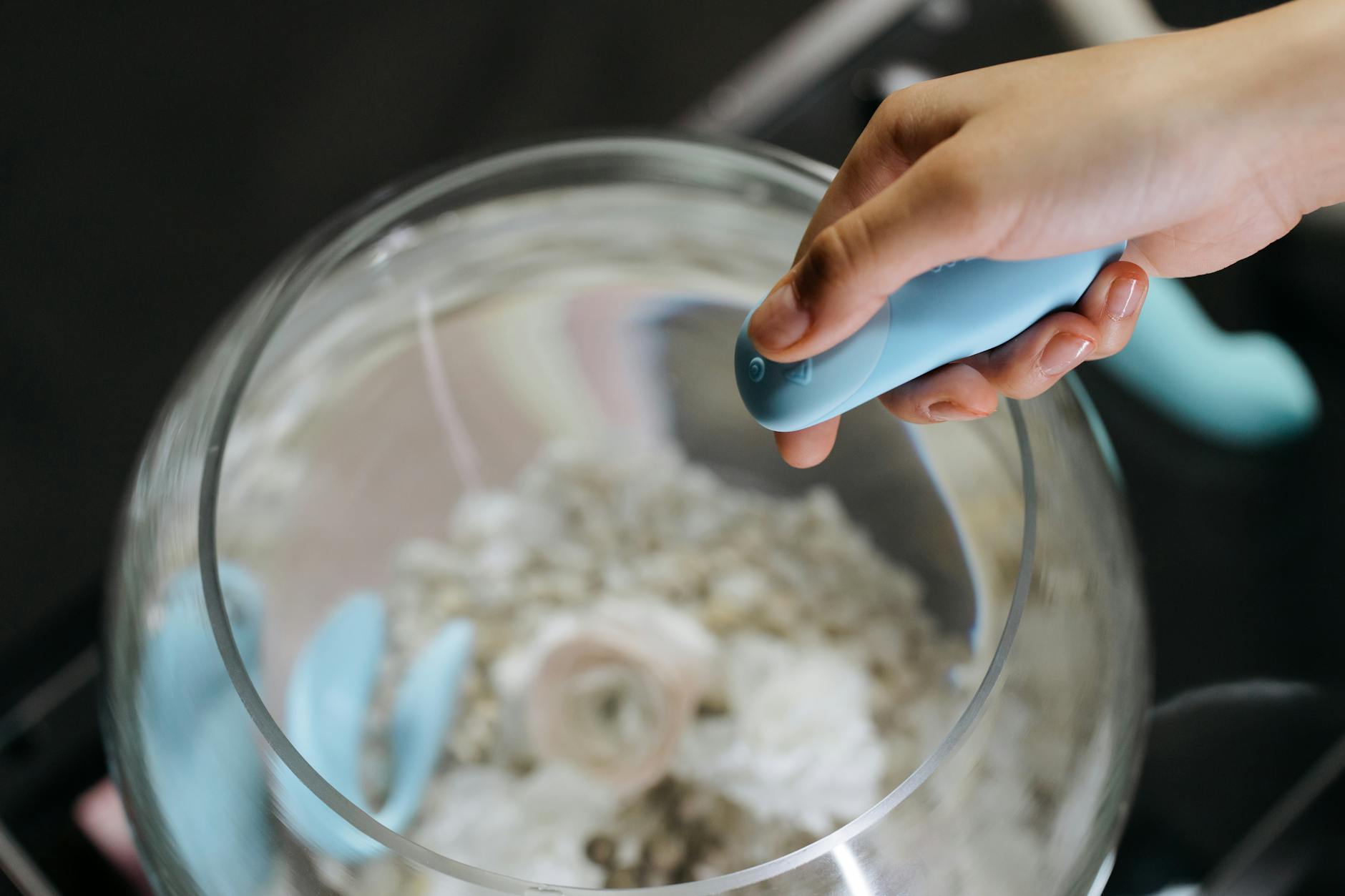
Introducing a lemon vibrator to partner sex isn't about fixing what's broken. It's about opening a door you both walk through together. The anxiety most couples feel has nothing to do with the device itself. It's about what they think the device says about them, about each other, about what they've been missing.
Let me be direct. If you've been thinking about this and haven't mentioned it, you're probably imagining the worst possible reaction. You're catastrophizing. And I get it. Sex is vulnerable. Adding props makes it more vulnerable, not less.
But here's what I see in my practice: couples who introduce clitoral vibrators together often report that the conversation itself, handled right, strengthens intimacy more than the device does.
Most people sit on this for months. Years, sometimes. They'll browse lemon vibrators alone on their phone, add items to carts, then bail out. The barrier isn't curiosity. It's a story they're telling themselves.
Here are the scripts I hear most:
"If I suggest it, they'll think I'm not satisfied."
"They'll think I want someone else."
"It'll make things weird."
"They might feel replaced."
"What if they say no and I feel rejected?"
Every single one of these contains the same core fear: the device will say something about you that you don't actually believe. That's the work to do first, not with your partner, but with yourself.
Before you have the conversation, finish this sentence honestly: "I want to introduce a lemon vibrator because..." Not "because my partner isn't enough." That's the lie. The truth sounds more like: "because I want to explore something together," or "because I'm curious," or "because I think it could feel incredible." Those are invitations, not indictments.
Timing matters more than you think. You're looking for a moment when you're both relaxed, clothed, and have privacy. Not seconds before sex. Not right after a fight. Not when someone's exhausted or stressed about work.
The best conversations happen over coffee, in the car on a long drive, or curled up in bed with the lights off. Somewhere you can talk without eye contact if you need to. Somewhere it's clear this is a real conversation, not pillow talk.
You could open with something like: "I've been thinking about something, and I want to talk about it with you. No pressure, just conversation. I've been curious about trying a clitoral vibrator together. I know that might feel like it's coming out of nowhere, but I wanted to be honest about it." Then pause. Let them sit with it. Let them ask questions.
Expect them to need time. They might say "I don't know" or "Can I think about it?" That's not rejection. That's processing. Give them space to do that.
Let's talk about the device itself for a second. Lemon vibrators use suction technology instead of traditional vibration. That changes the physics of what's happening.
Where a traditional vibrator creates high-frequency noise and fairly intense sensation, a lemon clitoral vibrator creates gentle suction that stimulates the nerve endings differently. For couples, this matters because it's quieter, gentler to introduce into partnered sex, and often feels less jarring to someone using it for the first time.
More importantly, a lemon vibrator doesn't replace your partner. It creates a third point of contact. Your hands are free to touch each other. Eye contact is easier to maintain. The sensation is additive, not substitutive.
When you're both watching what happens together, when you can see your partner's face, when the conversation before was honest and mutual, the device becomes evidence that you're exploring something as a team. That's entirely different from one partner secretly using something solo and bringing it into the bedroom unannounced.
Once your partner has agreed to try this, you move into logistics. This is actually the fun part.
Explore the options together. Don't just show up with a device you bought alone. Go to a site, look at options, talk about what appeals to you. This normalizes the whole thing and gives your partner agency in the choice. They get to pick the color, the size, the brand. They're not receiving something your solo research selected.
Set expectations. Explain how it works. Show them the instructions. There's something really grounding about reading a manual together and finding out that it's waterproof, rechargeable, and quiet. Demystifying the device removes some of the weirdness.
Agree on how to use it. Will they use it on you first? Will you use it together? Will it be part of foreplay or during penetration? Talk about this. Not in a rigid way, but as possibilities. "I'd love it if we could try this during foreplay and see how it feels" is different from "We're definitely doing this during sex." Leave room for surprise.
Name what might feel uncomfortable. Your partner might worry about hygiene, about fitting this into the rhythm of what you already do, about performance pressure (what if you don't orgasm now?). Name those things out loud. "I know you might worry this will make things weird. I get that. But I'm hoping we can just try it and see." Naming the fear takes some of its power.
Set the scene with intention. Not in a way that feels choreographed, but in a way that feels intentional. Dim lights. Close the door. Put the phone in another room. Create the space for this to feel like an experiment, not a performance.
Start slow. One of you isn't suddenly the "operator." You're both learning. If you're trying it during foreplay, spend fifteen or twenty minutes on what you already do. Kiss. Touch. Build arousal. Then introduce the device when you're both already engaged.
If it feels weird, that's normal. Weird is not the same as bad. You might laugh. That's actually great. Laughing together about something you're trying for the first time is bonding. It's proof that you're on the same team.
Pay attention to sensation, not performance. The first time shouldn't be about "Will this give me an orgasm?" It should be about "How does this feel? Do I like it? What feels good?" Those are different questions, and the second one leads somewhere better.
Stop if you need to. If something feels wrong, say so. You can always try again another time. This isn't a test you pass or fail. It's exploration.
Honestly, this is where most couples get it wrong. They finish, clean up, and never talk about it. Then it becomes this weird unmentionable thing, and the next time it comes up, there's more anxiety, not less.
Instead, take five minutes the next day when you're both calm and clear-headed. "So, how did that feel for you?" Not "Did you like it?" That puts pressure on them to have a judgment ready. "How did it feel?" invites them to describe the actual sensation.
Share what you experienced. Talk about what you might do differently next time. Be okay with "I'm not sure yet" or "I need to try it a few more times to know." Pleasure and comfort aren't instant. They build.
If your partner didn't like it, that's information, not failure. Maybe lemon vibrators aren't your thing as a couple. Maybe you'll try a different approach. But at least you tried together, you communicated, and you showed each other that exploring new things is something you can do without shame.
Something shifts when you've had an honest conversation about pleasure and followed through. You've shown your partner that you're willing to be vulnerable about wanting something. They've shown you that they're willing to explore with you even if it's new territory.
You've also separated the device from the relationship narrative. It's not "we're broken so we need this." It's "we're curious and we have the kind of partnership where we can be curious together." That's actually a pretty significant statement about your relationship.
Many couples find that once they've done this once, bringing up other things becomes easier. Not because the lemon vibrator itself was transformative, but because you've proven to each other that you can navigate vulnerability and newness together. That's the real thing that changes.
If you frame it right, the opposite happens. You're saying "I want to experience more pleasure with you." That's an expression of investment, not withdrawal. Attraction and exploration aren't enemies.
Then you have information. But it might not mean "no forever." It might mean "not right now" or "I need to get used to the idea." Respect that. Don't push. Sometimes people need time. Sometimes they'll surprise you six months later by bringing it up themselves.
Talking about sex kills the idea of sex being completely spontaneous, sure. But spontaneity in the dark isn't actually what most couples want. Most couples want to feel known and chosen. Conversation actually builds that.
You're not handing yourself over to the device. You're adding a tool. You can use it sometimes and not use it other times. Most couples find that once they relax, they actually use it less frequently than they expected. It becomes one option among many, not the only option.
If you're exploring this as a couple, look for something that's easy to use, not too intense, and designed for partnered play. The Lem Clitoral Vibrator works well for couples because the suction is gentle, the device is quiet, and the size makes it easy for a partner to control and adjust. It's not so intimidating that it feels like overkill for a first try.
Size matters. Smaller devices feel less like "bring in outside help" and more like "enhancement." Quieter devices are less performative. Easier-to-use devices mean less thinking about buttons and patterns and more presence with each other.
Don't overthink the product choice. Any lemon clitoral vibrator will work. The device isn't the hard part. The conversation is. Get that right, and the rest follows.
You don't know until you ask. But look for signs that your partner is generally open to novelty, that you have a foundation of trust, and that you're both reasonably comfortable talking about sex. If your partner has ever mentioned curiosity about anything related to pleasure, that's often a green light. But honestly, the only way to know is to have the conversation with genuine openness to a no.
No. Wait. The purchase together, or at least the final decision together, signals that this is mutual. If you show up with a device you already own, it can feel like you've made a unilateral decision. That's different from exploring together.
Then you've learned something. You've learned that suction-based stimulation isn't your thing, or that partnered toy use isn't for you, or that you prefer other kinds of exploration. None of that is failure. It's information. And honestly, having tried something and decided it's not for you is way more useful than wondering about it forever.
There's no "should." Some couples use them once a month. Some use them multiple times a week. Some buy them, try them, and then shelve them for six months. The right frequency is whatever feels good to both of you. If you're feeling pressure to use it to maintain excitement, that's a sign you need to check back in with each other about expectations.
It can. But not because the device is magic. It can because the conversation required to use it together opens up communication about pleasure that was maybe closed before. It can because you're both paying attention to sensation and feedback. It can because you've shown each other that you're willing to be curious together. Those things actually do improve sex. The vibrator is just the catalyst.
That's a value difference that deserves a real conversation, not a convincing argument. Ask them what "cheating" means to them. Usually it's not about the object, it's about something deeper. Fear of not being enough. Ideas about what sex "should" be. Religious or cultural beliefs. Listen to that. Then decide if there's common ground. Sometimes education helps. Sometimes you genuinely disagree, and that's worth knowing about your partnership.
The truth is, the hardest part of introducing lemon vibrators to your partnership isn't the device. It's the willingness to say "I want something, and I want to explore it with you." That's vulnerability. That's trust. And couples who can do that together, even about something as seemingly small as a clitoral vibrator, are couples who can navigate the bigger conversations too.
You deserve to explore pleasure with someone you choose. And your partner deserves to be part of that exploration, if they want to be. Have the conversation. You might be surprised how ready they actually are.