Postpartum Recovery
Lemon Vibrators for Pelvic Floor Recovery After Childbirth
Your body changes after birth. Here's how to safely rebuild pleasure, sensation, and intimacy using tools designed for sensitive, healing tissue.
Postpartum Recovery
Your body changes after birth. Here's how to safely rebuild pleasure, sensation, and intimacy using tools designed for sensitive, healing tissue.
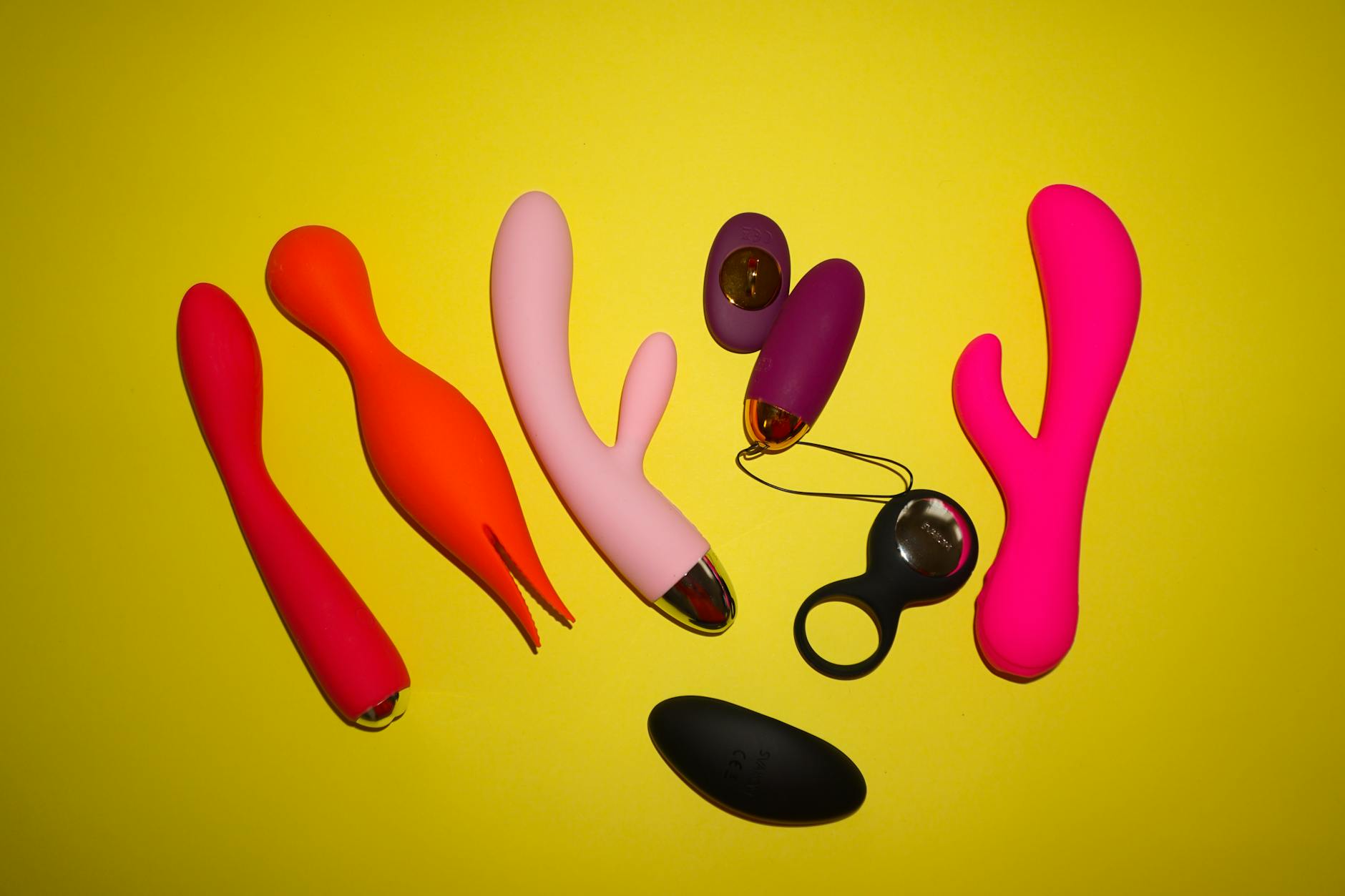
You've heard about the physical healing. You've heard about the sleepless nights and the hormonal crash. But almost nobody talks honestly about what happens to pleasure and sensation after birth. And if they do, they usually get it wrong.
Here's the truth: your body has been through something massive. Your pelvic floor has stretched, your tissues have changed, and your nervous system is in a completely different state. The good news is that pleasure is not gone. It's reorganizing. And once you understand what's actually happening, you can rebuild it thoughtfully, safely, and often more intensely than before.
After vaginal birth, your pelvic floor and vulvar tissues have sustained micro-tears, swelling, and significant stretching. Cesarean birth bypasses some of that direct trauma, but you still have major abdominal surgery, hormonal shifts, and nervous system recalibration to recover from. Either way, your tissue is sensitive and healing.
Estrogen drops dramatically postpartum. This affects tissue thickness, lubrication, and how quickly sensation returns. If you're breastfeeding, estrogen stays lower longer. Your prolactin levels spike, which actively suppresses sexual arousal in many people. This isn't a mood problem. It's biology doing exactly what it's designed to do. Your brain is prioritizing milk production and bonding over sexual pleasure.
Your pelvic floor muscles are also fatigued. They've been stretched beyond normal range. Kegels alone won't fix this because your muscles need both strengthening AND learning how to fully relax again. Tension in the pelvic floor blocks sensation and can make arousal feel uncomfortable.
Traditional vibrators rely on rapid vibration intensity. That works fine for most bodies, but postpartum tissue is hypersensitive and often painful under direct, aggressive vibration. The clitoral suction technology in lemon vibrators works completely differently.
Instead of vibration, suction gently stimulates the clitoral complex without requiring direct friction. This matters enormously postpartum because you get stimulation without the mechanical pressure that can feel overwhelming on healing tissue. The sensation builds gradually instead of shocking your nervous system.
The lemon clitoral vibrator also has multiple intensity settings. You can start at the gentlest patterns and work up over weeks as your tissue and nervous system adapt. Most postpartum people find that patterns 1 and 2 feel natural at first, whereas traditional vibrators often feel too intense at any setting.
Another advantage: suction doesn't require as much lubrication as friction-based stimulation. Postpartum, even with lubrication, friction can feel rough. Suction feels smoother and more tolerable on sensitive tissue.
If you had a vaginal birth without significant tearing, most providers give the all-clear at six weeks. If you had tearing, an episiotomy, or a cesarean, you might need 8-12 weeks. Ask your OB-GYN or midwife specifically about stimulation before jumping in.
Once you get clearance, start slowly. And I mean slowly.
First few times: solo exploration only. No partner involvement yet. You need to learn what your body is actually feeling without performance pressure or anxiety about a partner's response. Spend a full week just looking at and touching your external genitals without any tools. This sounds basic, but most postpartum people haven't had time to actually notice how their own body feels anymore.
Second week: introduce a lemon vibrator on the lowest setting. Spend 15-20 minutes just letting the sensation register. Don't try to orgasm. You're retraining your nervous system to recognize pleasure signals. Many postpartum people find that orgasm is difficult or feels different. That's completely normal.
Third week and beyond: you can increase intensity and duration as your body signals readiness. Some people feel ready to involve a partner by week three. Others need a full month. There's no timeline. Your tissue will tell you when it's ready.
Here's something almost nobody mentions: postpartum pelvic floor tension is the actual barrier to pleasure, not weakness.
Your pelvic floor muscles are designed to contract and release. After birth, they're often stuck in a semi-contracted state. They're guarding against pain that may or may not still be there. This tension blocks blood flow to the clitoral area, makes sensation feel numb or distant, and can make arousal uncomfortable.
Kegels make this worse. They strengthen the muscles, but they also teach them to stay contracted. You need the opposite. You need to teach your pelvic floor to fully relax.
This is where a lemon vibrator becomes genuinely helpful. Gentle, consistent stimulation actually helps the nervous system recognize that it's safe to relax. Using a lemon clitoral vibrator at low intensity for 10-15 minutes several times a week can gradually retrain your pelvic floor to release tension. Pair that with breathing and intentional relaxation, and you're addressing the actual problem.
Many postpartum people expect to feel pleasure the way they did before birth. Then they don't, and they assume something is broken. It's not. Your nervous system is literally rewiring.
Your vagal tone has shifted. Your touch sensitivity has changed. Your hormonal environment is completely different. Pleasure doesn't feel the same because you are not the same person. You're someone who has healed from a major physical event.
This is actually an opportunity. Once you rebuild sensation slowly, many people report that their orgasms are more intense, easier to reach, and more localized to the clitoris (rather than mixed sensation throughout the pelvis). Your relationship with pleasure often becomes more direct.
Starting with a lemon clitoral vibrator means you're working with your current nervous system state, not fighting against it. You're using a tool designed for sensitivity recovery instead of trying to force your old baseline.
At some point, you'll want to involve your partner. The timing matters more than you'd think.
Don't invite your partner back into sexual touch until you've spent at least two weeks solo exploring with a lemon vibrator. You need to know what feels good to you first. Otherwise, you're defaulting to old patterns and avoiding the awkwardness of saying "actually, that doesn't feel right anymore."
When you do reintegrate your partner, start with external touch only. No penetration yet, even if your provider cleared it. Let your partner use a lemon clitoral vibrator on you while you're both learning what feels different. This accomplishes several things: it involves them in your recovery, it gives them a tool that actually works with your postpartum body, and it removes the pressure of traditional sex.
Then, and only then, move toward penetration if that's what you both want. Some postpartum people find they don't want penetration the way they did before. That's also normal. Your preferences can shift, and that's not a problem to solve. It's just information.
Your body might feel like it belongs to someone else for a while. You've been touched constantly by a baby. Your breasts might be leaking. Your hormones are fractured. The idea of sexual touch can feel like one more demand on a body that's already giving everything.
This is where context matters. Pleasure postpartum isn't about performance or reciprocity. It's about rebuilding a relationship with your own sensation. Using a lemon vibrator solo is a way to reclaim agency over your own body. You decide when, how long, what intensity. Nobody needs anything from you.
Some people also carry guilt. You're supposed to be present with the baby. You're supposed to feel bonded, grateful, rested. Sexual pleasure can feel indulgent or wrong. It's not. Your sexual self is not separate from your parenting self. Rebuilding pleasure is part of rebuilding yourself.
If pain is significant during or after stimulation, stop and check in with your provider. Some postpartum people develop pelvic floor dysfunction, which needs professional physical therapy. A lemon vibrator can work alongside that therapy, but it's not a substitute.
Postpartum pleasure recovery typically takes 3-6 months of consistent, gentle exploration. This sounds long, but it's accurate. Your nervous system needs that timeline to recalibrate. Rushing it tends to create anxiety and tension, which makes everything harder.
Using a lemon clitoral vibrator 2-3 times per week at low intensity is a genuinely effective postpartum recovery strategy. You're not trying to reach orgasm quickly. You're rebuilding sensation, teaching your pelvic floor to relax, and reminding yourself that pleasure still exists in your body.
Many people find that once they hit the 12-week mark, sensation returns more quickly. Orgasms become easier. The experience feels more like yourself again. Some report that postpartum sexuality is actually better than pre-birth sexuality because you understand your body differently.
Your body just created life. You deserve patience with it as it heals. And you deserve to rebuild pleasure on your own terms.
Most providers clear penetrative activity and external stimulation at six weeks postpartum for uncomplicated vaginal births. If you had tearing, an episiotomy, or a cesarean, wait for your provider's specific clearance, which might be 8-12 weeks. When you do get cleared, start with solo exploration at the lowest intensity. Your tissue needs time to tell you what feels safe.
No. Gentle, low-intensity stimulation actually supports pelvic floor recovery by helping your nervous system recognize that it's safe to relax tension. The problem postpartum isn't weakness; it's usually guarding and tension. Consistent, gentle use of a lemon clitoral vibrator can help retrain your pelvic floor alongside other recovery strategies like breathing work and intentional relaxation exercises.
Wait for clearance from your OB-GYN or midwife. Once you're cleared, your tissue will be more sensitive than after an uncomplicated birth. Start at the absolute lowest intensity and expect to take longer rebuilding sensation. If stimulation causes pain rather than pleasure, stop and talk to your provider. Some postpartum people benefit from pelvic floor physical therapy alongside gentle vibration.
Yes, but keep two things in mind. Prolactin suppresses sexual arousal, so you might find pleasure feels more difficult or distant while breastfeeding. This is temporary and will shift as breastfeeding frequency decreases. Second, your breasts might be tender or leaking. You have full control over what you do with your body, and if breast stimulation feels wrong right now, skip it entirely. Lemon vibrators work beautifully for external clitoral stimulation without any breast involvement.
This is completely normal. Your nervous system is recalibrating. Your hormones are shifting. Your pelvic floor is learning to relax. Pleasure might feel distant or disconnected at first. You're not broken. Keep exploring consistently at low intensity, and sensation usually returns between 8-12 weeks postpartum. If you're at four months postpartum and still experiencing numbness or pain, talk to a pelvic floor physical therapist.
Completely normal. Your anatomy has changed slightly. Your hormonal environment is different. Your nervous system has recalibrated. Many postpartum people report that orgasms feel more clitorally focused, more intense, or easier to reach once healing is complete. You're not trying to get back to your pre-birth baseline. You're discovering what pleasure feels like now. That often turns out to be better.
Postpartum is not the end of your sexual self. It's a reorganization. You're learning to exist in a body that has changed. That change doesn't mean your capacity for pleasure is gone. It means you need tools and timelines that match where you actually are right now.
A lemon clitoral vibrator is designed for exactly this moment. It's gentle enough for healing tissue. It's intuitive enough that you don't need instructions. It's effective enough that you can rebuild sensation over weeks and months at your own pace.
Your pleasure matters. And you deserve to rebuild it with patience, tools that actually work, and without pressure. Start small, be consistent, listen to what your body is telling you, and know that this phase is temporary. Most postpartum people find their way back to a rich sexual life. Many find it's richer than before.
If you're struggling with postpartum recovery and want to talk through what might work best for your situation, reach out. You don't have to figure this out alone.