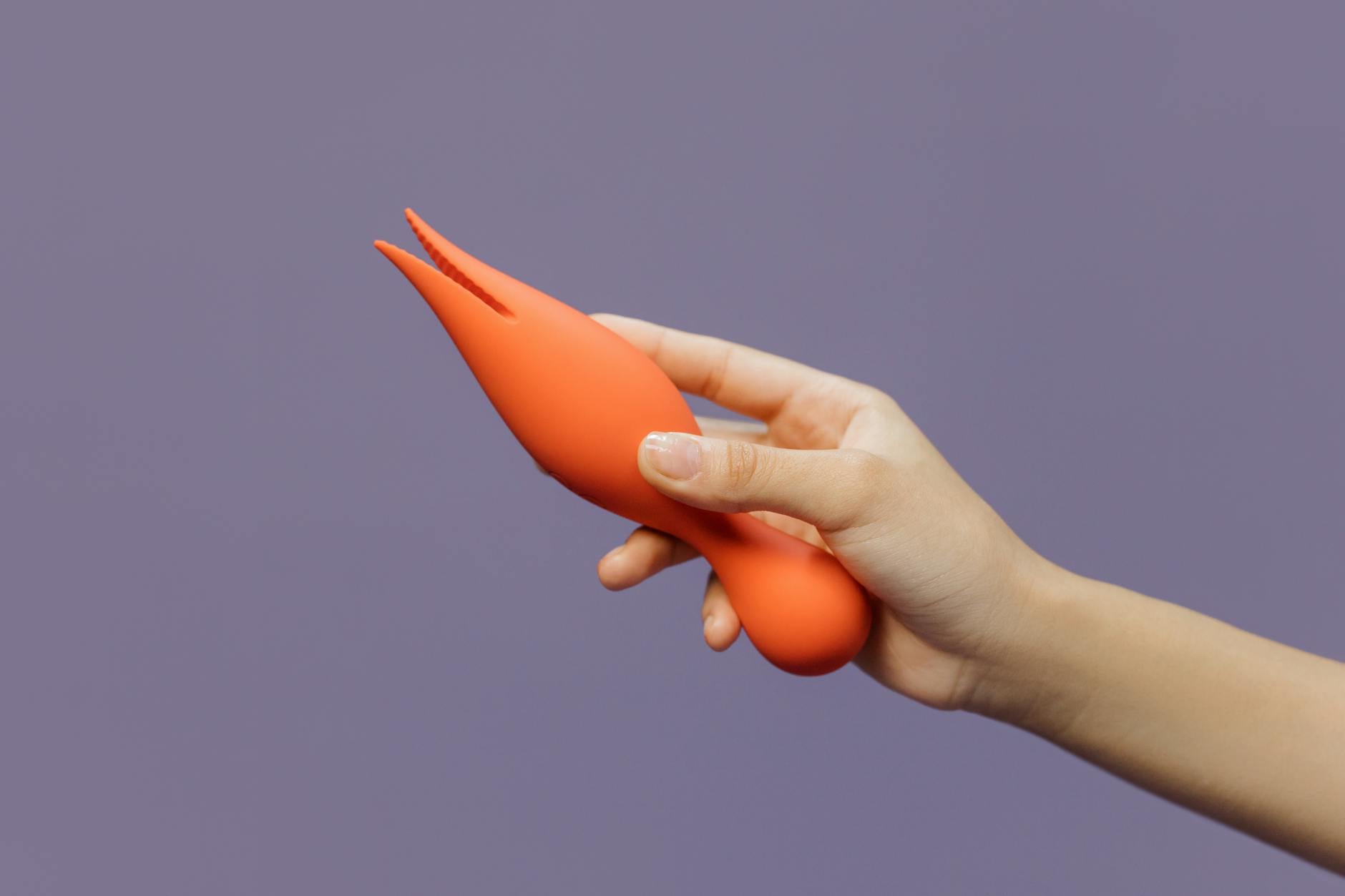
Do Lemon Vibrators Help With Sexual Side Effects From Antidepressants
When medication saves your mental health but dampens your pleasure. What actually works to restore sensation, and why lemon clitoral vibrators might be your answer.
Antidepressants work. They lift the fog, steady the crash, make it possible to get out of bed. And then they flatten your ability to feel pleasure. Your brain doesn't want sex. Your body takes forever to respond. Orgasm is either impossible or so distant it feels like myth. This is real. It happens to roughly 40-60% of people taking SSRIs, and it's genuinely maddening because your medication is doing its job at the exact moment it seems to be stealing something else you need.
Here's what nobody says: you don't have to choose. You also don't have to suffer in silence and pretend the problem doesn't exist.
Lemon vibrators, specifically the clitoral suction design, can genuinely help restore sensation and sexual function when antidepressants have muted both. I'm not promising it's a cure-all. But I've worked with enough clients to know it works for many, and it's worth understanding why.
SSRIs work by increasing serotonin availability in your brain. More serotonin equals better mood regulation, less anxiety, more stability. But serotonin also acts as a natural brake on sexual arousal. The same neurotransmitter that calms your thoughts literally inhibits genital sensation and makes it harder for your body to move toward orgasm.
Then there's dopamine. Antidepressants can lower dopamine, and dopamine is the desire chemical. Without it, you don't want sex. You might not think about it for weeks. Your partner initiates and you feel... nothing. Not aversion, just blankness.
Finally, some SSRIs affect blood flow to the genitals. That means slower arousal, less engorgement of the clitoral tissue, and weaker orgasms when they do happen. It's a cascade of neurochemical changes, all happening at once.
The catch: stopping the medication isn't an option for most people. Your mental health depends on it. So you're stuck managing two competing needs at the same time.
Traditional vibrators rely on sustained vibration to build sensation over time. If your sensitivity is already dampened by medication, you're chasing a moving target. You might need higher intensity, longer sessions, or just give up because it's taking too long and you're frustrated.
Lemon clitoral vibrators use air-suction technology instead. Here's what that means for an antidepressant-affected body: suction creates a vacuum seal around the clitoris and gently pulls on the tissue. This stimulates a different set of nerve pathways than vibration alone does. The effect is more targeted, more intense locally, and it often works faster.
Many of my clients report that suction patterns feel more accessible when their sensitivity is suppressed. You're not waiting for vibration to penetrate through layers of chemical dampening. You're using a completely different mechanism to wake up sensation. Some say it feels like the suction is meeting them where they actually are, rather than demanding their body catch up to the device.
That difference matters psychologically too. When you're already frustrated by medication-induced sexual dysfunction, a faster path to sensation can restore confidence. You remember that pleasure is still possible for you.
If you're dealing with both antidepressants and sexual side effects, here's what helps most:
Start with lower suction intensity. The Lem vibrator, a lemon clitoral vibrator that uses air-pulse technology, has pattern settings from very gentle to intense. Don't jump to pattern 5. Start at 1 or 2. Medication has slowed your body down. Ease into it.
Budget more time. Antidepressants extend the arousal phase. What used to take 10 minutes might take 25 now. That's not failure. That's just the current reality. Build that into your expectations instead of fighting it.
Use lube even if you think you don't need it. Medication can reduce natural lubrication and increase tissue sensitivity in weird ways. Water-based lube makes everything easier and reduces friction-related discomfort.
Solo play first. If you have a partner, start exploring lemon adult toys alone before bringing them into partnered sex. You need to relearn your own body's response without performance pressure. Once you know what works, partnered play becomes easier.
Track patterns that work. Different suction rhythms will hit differently depending on where you are in your medication cycle and how your body is responding that day. Write down which patterns work. You'll spot patterns over time.
I know you're tempted to just figure it out alone. Here's why that's worth resisting: your prescriber needs to know sexual side effects are happening. Not because you have to choose between mental health and pleasure, but because there are actual solutions that don't require stopping your medication.
Your doctor can consider adjusting timing (taking your SSRI at night instead of morning sometimes helps), switching to a different antidepressant with lower sexual side effects (bupropion, for instance, is less likely to cause this), or adding a medication that counteracts sexual dysfunction.
These are real options. They exist. But your doctor can't help if they don't know it's a problem. And you don't have to frame it as emotional or vague. You can literally say: "My antidepressant is working for my mood, but I'm experiencing delayed orgasm and reduced sensation. What options do we have?"
If you've already talked to your doctor and adjusted your medication as much as makes sense, lemon vibrators become part of your toolkit. They're not replacing professional care. They're augmenting it.
Think of clitoral suction devices as the tool you use while your body and medication are finding equilibrium. Some people use them temporarily, for a few months, until their body adapts to the SSRI and some sensation naturally returns. Others incorporate them permanently because they prefer the sensation suction creates.
There's no timeline. There's no "you should be able to orgasm without a device" rule that matters here. You're not broken. Your brain chemistry is just operating differently, and you're using a device that meets you there.
If you're struggling with reduced sensitivity after starting antidepressants, you might also benefit from reading about how lemon vibrators can help restore pleasure after other kinds of disruption, like <a href="/blog/how-lemon-vibrators-improve-sensation-if-you-have-reduced-clitoral-sensitivity">how lemon vibrators improve sensation if you have reduced clitoral sensitivity</a>. The underlying physiology is similar, even if the cause is different.
Medication-induced sexual dysfunction carries weird shame. You're already dealing with the fact that your brain needed chemical help. Now your body isn't working the way it used to. It can feel like punishment for needing the medication in the first place.
It's not. Your body isn't punishing you. Your brain chemistry is just resetting. And you get to use whatever tools help you feel pleasure again.
If you have a partner, this is worth a separate conversation from the medical stuff. "My medication is affecting my sexual response, and we're going to figure this out together" is different from shouldering shame alone. Your partner probably wants you to feel good. They also probably want to understand what's happening instead of guessing.
Lemon clitoral vibrators aren't a band-aid on a relationship problem. But they are a concrete, manageable way to restore sensation and remind both of you that pleasure is still part of your life. That matters.
Some people's bodies adapt to SSRIs after 3-6 months and sexual function partially returns. Some people find equilibrium with their doctor's help. Some people stay on their medication for years and use lemon sexual toys as a permanent part of their sexual life.
All of those are fine. There's no expiration date on using devices that help you feel good. You don't "graduate" out of them. You use them as long as they serve you.
If you're just starting this journey, remember: your pleasure matters. Your mental health matters. They're not in competition. You get to have both.
Yes, but the specific interaction matters. SSRIs and SNRIs are the main culprits for sexual side effects, but some blood pressure medications, antipsychotics, and others can also affect sexual function. Your doctor can help you understand your specific combination. Using a lemon vibrator is safe alongside medication; what matters is making sure your doctor knows what you're experiencing so they can adjust if needed.
It varies wildly. Some people feel difference in one or two sessions. Others need weeks of regular use before sensation truly returns. Your body's adaptation to the medication, the specific SSRI you're on, and your individual neurology all factor in. Track what you experience so you can notice progress even if it's gradual.
Completely normal. If your sensitivity is dampened, the suction might feel surprisingly strong the first time you use it. Start at the lowest setting and work up. Your body will adapt, and you'll find the intensity that feels right. That's not you being "too sensitive" or "broken." It's just calibration.
Then it's time to have a longer conversation with your prescriber about whether your current medication is the right fit, or whether other interventions (therapy, different medication timing, an additional medication to counteract sexual side effects) might help more. Devices are a tool, not a complete solution. Sometimes the root cause needs medical adjustment.
Absolutely. Some people find that partnered exploration with a device that restores sensation actually strengthens connection. You're not replacing your partner. You're introducing a tool that helps your body respond more fully, which often makes partnered sex feel better for both of you. That conversation starts with honesty about what's happening and what you both need.
This is a common worry and understandable, but here's the reality: your antidepressant is already changing your sexual response. Using a device that helps restore sensation isn't creating a new problem; it's solving the one that already exists. Some people do find they prefer suction sensation after discovering it. That's not dependency. That's preference. You're allowed to have preferences about what feels good.
Your pleasure matters. Your mental health matters. Both deserve attention and care.