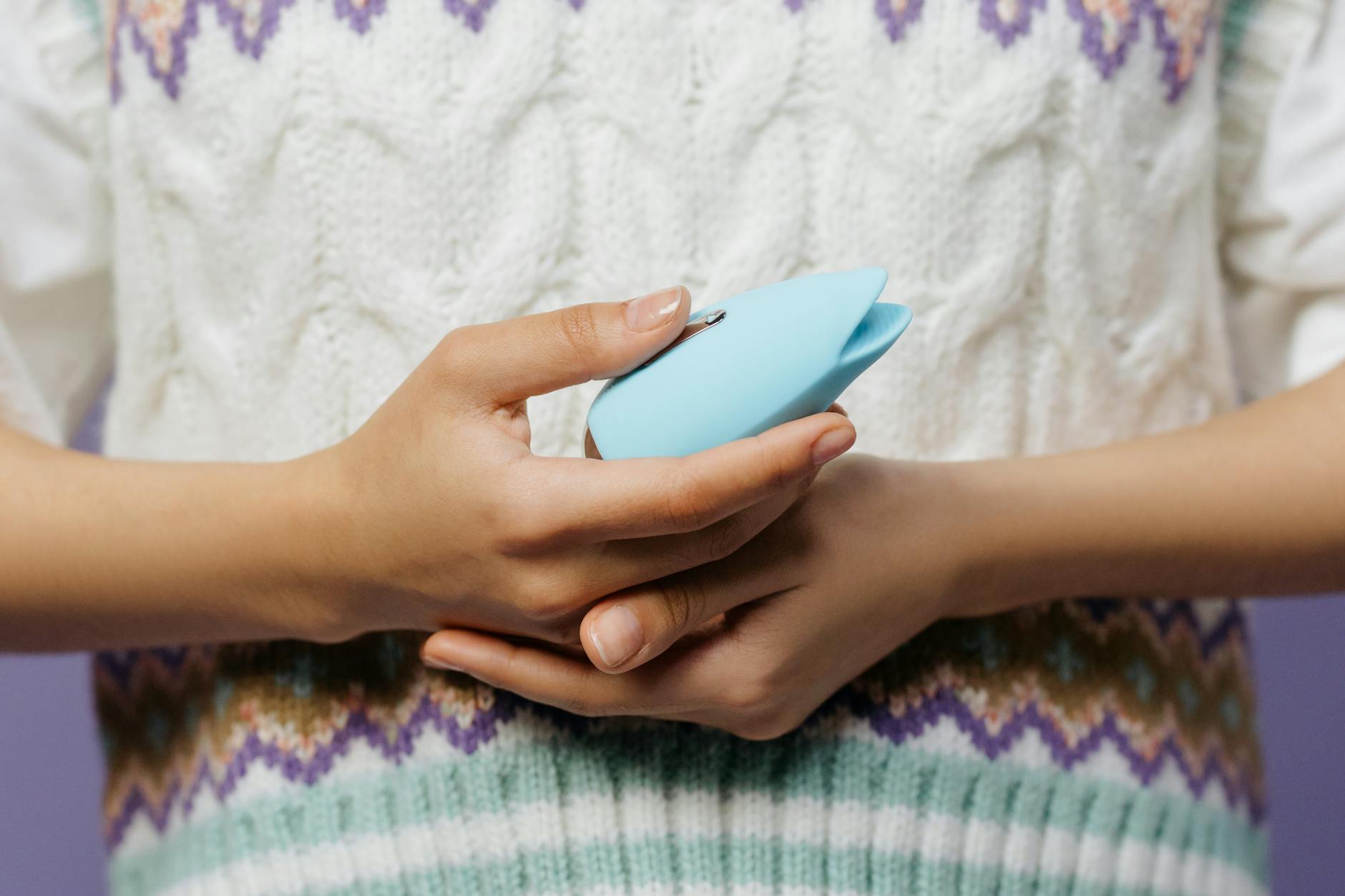
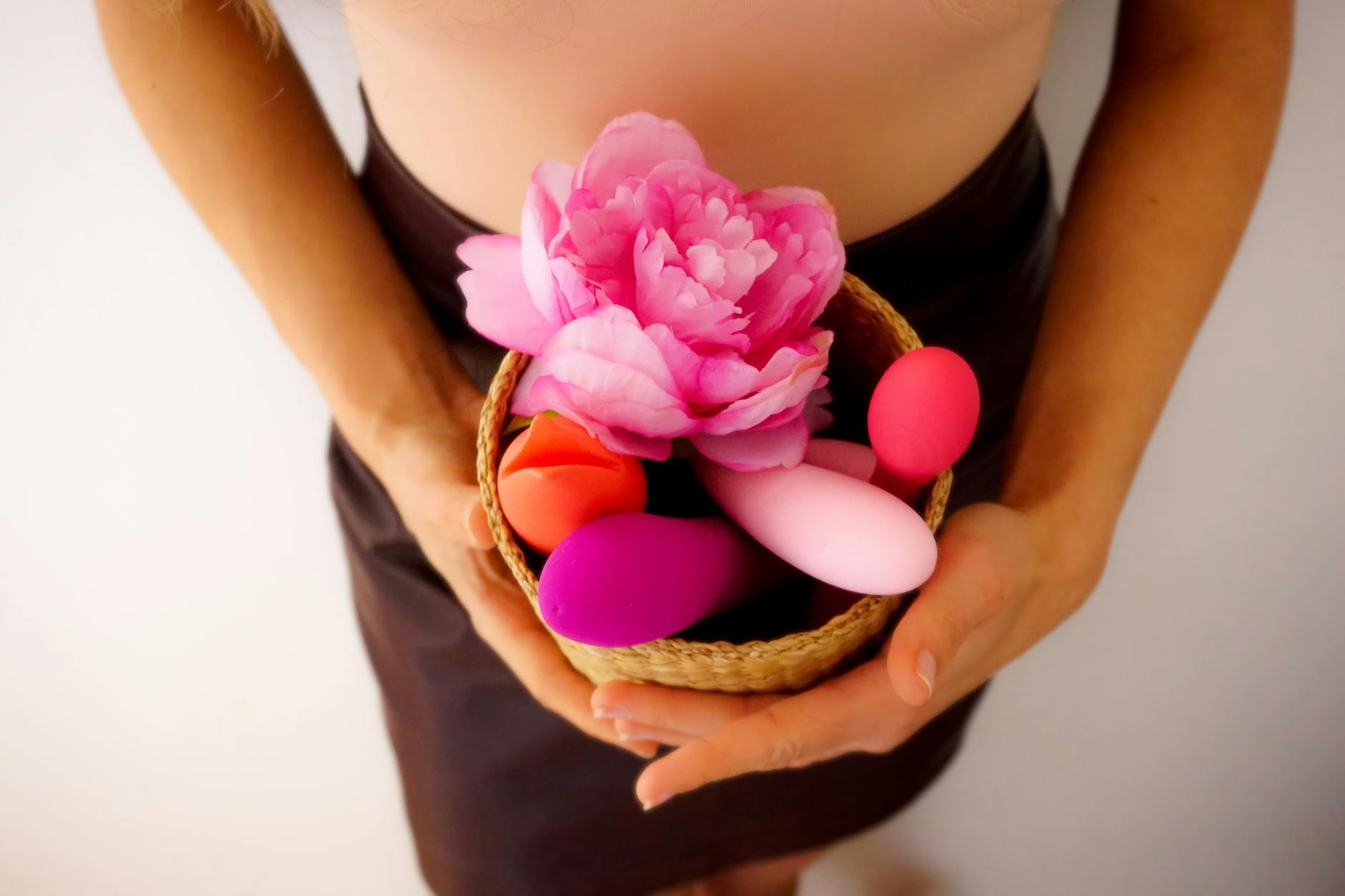
Estrogen drops, but your capacity for pleasure doesn't. Here's what actually shifts in your body and why suction-based lemon clitoral vibrators often deliver your most intense sensations post-transition.
Menopause doesn't end your sex life. It changes the physical conditions your body's working with. And here's the thing nobody explains clearly: once you understand those changes, you can work with them instead of fighting them.
I work with couples and individuals navigating this transition all the time. The pattern I see most often is confusion followed by frustration, then relief once the physiology clicks. What changes post-menopause and why that matters for pleasure is worth spelling out plainly.
Estrogen doesn't just regulate your cycle. It keeps vaginal and vulvar tissue thick, elastic, and well-lubricated. When estrogen levels drop sharply after menopause, that tissue becomes thinner and drier. This is called genitourinary syndrome of menopause (GSM), and it's as common as it is misunderstood.
At the same time, your clitoris doesn't shrink or lose sensitivity. The nerve density stays exactly the same. What changes is the surrounding tissue and how quickly arousal builds. Many of my clients find that their clitoris actually becomes more prominent post-menopause, which can feel either wonderful or too intense depending on what you're using and how.
The third shift is in the pelvic floor. Less estrogen means less muscle support, which can change how orgasms feel. Some people report they're shallower or more localized. Others find they're more intense than ever. There's no universal experience here.
Lemon clitoral vibrators, especially air-suction models, work particularly well post-menopause for a specific reason: they stimulate without direct friction.
Direct vibration against thinner tissue can feel uncomfortable. Too much pressure feels raw. But suction-based lemon vibrators like The Lem work by creating gentle pulsing pressure around the clitoris, not grinding against it. This approach means:
You get intense stimulation without friction damage. The suction engages the entire clitoral complex, not just the external glans. And you can dial intensity up or down without changing the entire character of the sensation.
I started recommending lemon clitoral vibrators to clients in their 50s and 60s specifically because they reported better outcomes than traditional vibrators. Fewer complaints about rawness. More consistent orgasms. Higher satisfaction scores.
Here's something counterintuitive: yes, arousal takes longer to build post-menopause. But that's not always a bad thing.
When you're younger and hormones are cycling through peaks, arousal can feel rushed and reactive. You might orgasm quickly not because you wanted to, but because your body was primed. Post-menopause, that pressure lifts. You get to actually take your time.
Using a lemon sexual toy becomes less about rushing to climax and more about exploring what actually feels good in your body right now. Many of my clients report that once they stop fighting the slower build, the orgasms are deeper and longer lasting than they've ever experienced.
This is why foreplay becomes important in a way it maybe wasn't before. Fifteen to twenty minutes of warm-up before introducing a toy means your tissue has time to respond, your arousal has space to build, and when you reach for The Lem or another lemon vibrator, your body is genuinely ready.
Drying out post-menopause is real. And it's also completely manageable.
Water-based lubricant stops being optional and becomes part of your kit. But that's not a loss. It's an expansion. Lube changes the sensation, often making it richer and more sustained. Paired with a lemon clitoral vibrator, it actually enhances the suction effect and creates a gentler glide.
If you're experiencing moderate to severe dryness, talk to your doctor about topical estrogen creams. They have minimal systemic absorption and can transform tissue quality in weeks. That's not cheating. That's using medicine to restore your body to a functional state.
After menopause, some people find their clitoris is more sensitive. Others feel more numb. Both are valid and both are temporary or treatable.
Hypersensitivity post-menopause might feel like your clitoris is suddenly too responsive to direct touch. This is where lemon vibrators' air-suction design shines. You're not pressing down on sensitive tissue. You're creating a seal and pulsing. It feels completely different and often allows you to use toys again comfortably.
If you're experiencing reduced sensation, that can be hormonal or vascular or neurological. It's also worth discussing with a menopause-trained provider. Sometimes testosterone therapy helps. Sometimes it's about the device itself. A lemon clitoral vibrator might be exactly what you need because the suction pattern engages more of your nerve complex than a standard vibrator would.
Menopause often arrives packaged with other transitions. Kids grown, partnership shifts, career changes, grief. The temptation is to blame all sexual changes on hormones. Sometimes they're not hormonal at all.
I work with a lot of women post-menopause who say their pleasure didn't disappear because of estrogen. It disappeared because they stopped being present with their partner, or they were managing aging parents, or they'd internalized the cultural message that their sexuality was supposed to end at 50. Once they shifted the story from "my body is broken" to "I'm learning what turns me on now," everything opened up.
Using a lemon adult toy becomes part of that reclamation. You're not trying to recreate what you had at 30. You're discovering what works in your 50s or 60s. That's radically different and often way more intentional.
If you have a partner, their experience matters too. Post-menopause, many people feel less pressure to perform. That can actually strengthen connection because both people can relax into what feels authentic.
Introducing a lemon clitoral vibrator into partnered sex takes a conversation. But it's not the awkward conversation it might have been before menopause. You're not negotiating your body. You're inviting a tool that works with both of your bodies. Plenty of partners find that using The Lem or another lemon vibrator together actually increases intimacy because there's less friction (literally and metaphorically) around pleasure.
The key is separating two conversations: "My body is responding differently" and "I want us to reconnect." Those are different topics and they need different approaches.
Pain during sex warrants a conversation with a menopause-trained gynecologist. Pain is not normal and it's highly treatable. Topical estrogen creams or systemic hormone therapy can make a huge difference in weeks.
If desire has completely vanished and lube and longer foreplay and a lemon sexual toy haven't brought it back, that's worth exploring with a provider. Could be testosterone levels. Could be thyroid. Could be depression. Get it checked.
If you're using lemon vibrators and they don't feel right, try different patterns or intensities. The Lem has multiple settings for exactly this reason. Your body's needs post-menopause might be different from what you expected.
Completely normal. Your tissue has changed, your arousal pattern has shifted, and your clitoris might be positioned differently. That means the sensation of any toy will feel different. It doesn't mean pleasure is gone. It means you're discovering pleasure in a new way. Many people find lemon clitoral vibrators feel better post-menopause than they did before because the suction model works with thinner tissue instead of against it.
Yes. I see this consistently in my practice. Post-menopausal clients often report their most intense orgasms came after transition, partly because they're less distracted, more intentional, and using tools designed for their body's new reality. The Lem is specifically engineered for this, which is why it's become so popular post-menopause.
Yes. Water-based lube enhances the suction effect and reduces friction on delicate tissue. It's not a sign something's broken. It's part of the setup that makes pleasure easier post-menopause. Many of my clients say lube became a game-changer once they reframed it from "I'm deficient" to "this is my tool."
There's no required waiting period. You can explore lemon adult toys and other tools as soon as menopause begins. The physical changes happen over weeks to months, so your experience might evolve, but you don't need to wait for menopause to finish to start understanding what works in your new body.
If you have a partner and you want to incorporate toys into partnered sex, yes. That conversation is usually easier post-menopause because the stakes feel lower. Frame it as exploration, not a problem you're solving. "I'd like to try this together" lands differently than "I can't come without this." Both might be true, but one opens the door. How to Use Lemon Vibrators During Couples Sex Without Making It Awkward walks through this in more detail.
Stop and check three things: lubrication, intensity level, and position. If pain persists with proper setup, see your doctor. GSM is treatable and pain isn't something to work through.
Menopause is not the end of your sex life. It's a recalibration. Your body has different hardware, which means you get to discover new software. The pleasure you thought was tied to your 30s or 40s wasn't. It was always yours. You just get to access it differently now.
Lemon clitoral vibrators, especially air-suction models designed to work with post-menopausal tissue, can be part of that recalibration. Not as a workaround. As a tool that actually works better with your body right now.
Your pleasure matters. Post-menopause, it might matter even more.