Here's the thing: almost no two people want the exact same kind of touch. One partner might crave deep, sustained pressure while the other melts under the gentlest flutter. One wants five minutes of buildup; the other needs two. One loves consistent rhythm; the other craves variation.
This isn't a sign something's broken in your relationship. It's just how bodies work. But most couples treat these differences like a problem to "solve" rather than a feature to work with. That's where lemon vibrators actually change the game.
Conventional vibrators buzz. That buzz is fixed. It travels through the tissue at a consistent frequency, and that frequency either works for your partner's nervous system or it doesn't. If your partner needs gentler stimulation, a regular vibrator can feel invasive. If they crave intensity, it might feel surface-level.
The worst part: there's no way to customize the experience in real time without stopping, adjusting settings, and breaking momentum. So couples usually default to whichever intensity "sort of" works for both people. Which means at least one person is compromising their pleasure, every single time.
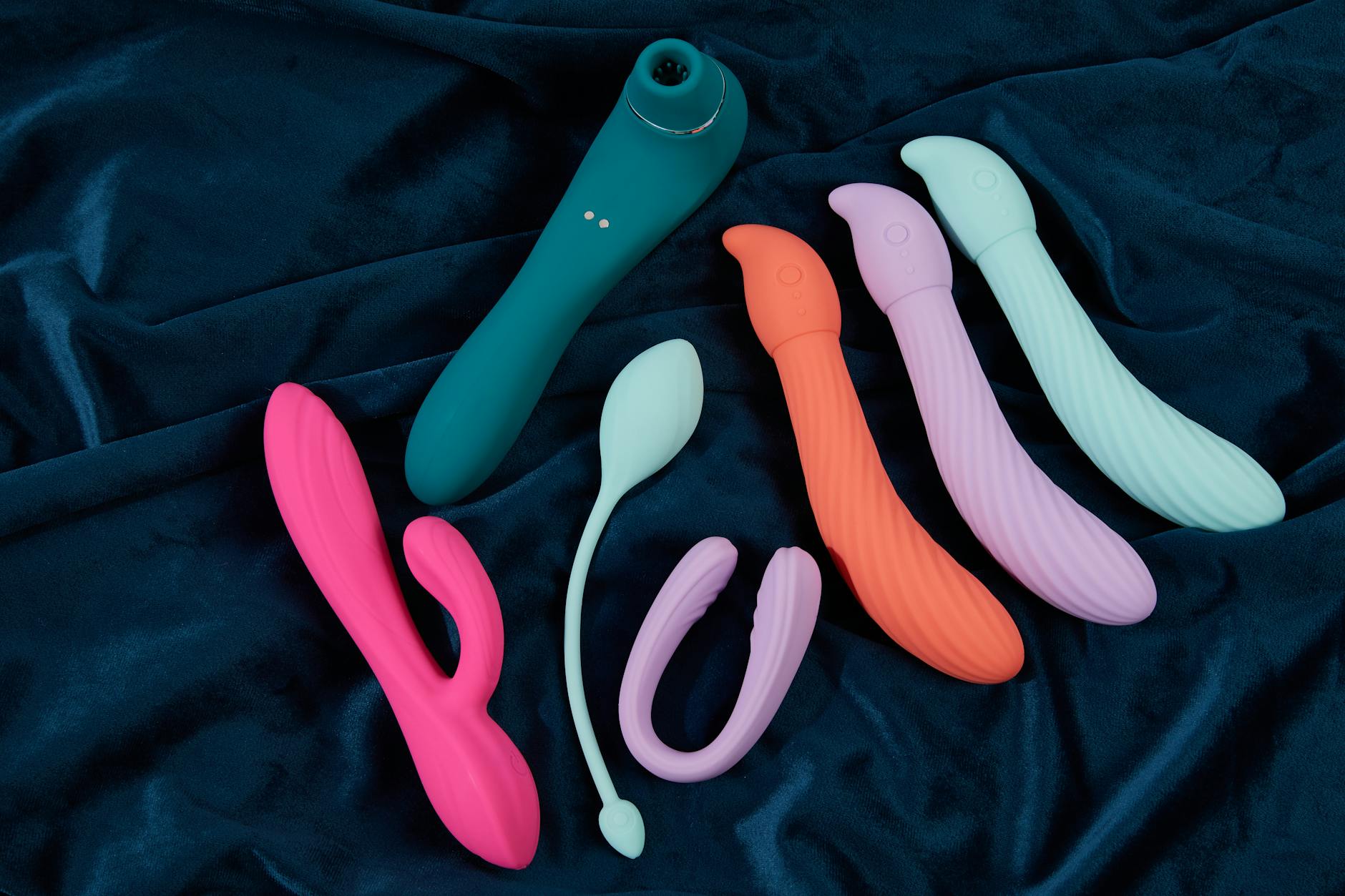
Suction technology works differently. A lemon vibrator doesn't bash the tissue. It creates a gentle seal and then pulses air, drawing the clitoris slightly upward. The sensation is pinpointed and variable. You can adjust intensity without changing the fundamental feel of the touch, and you can do it mid-experience. That flexibility alone solves half the mismatch problem.
Clitoral sensitivity isn't about being "more sensitive" or "less sensitive." It's about nerve density distribution and how the nervous system processes touch at different frequencies.
Some people's pleasure center sits in a narrow band of intensity. Too light and they feel nothing. Too hard and it's uncomfortable. Others have a broader range. And crucially, that range often differs between partners.
A lemon clitoral vibrator sits in a range that most bodies find accessible. The suction doesn't require the person using it to tolerate the kind of harsh, direct friction that traditional vibrators sometimes demand. That means partners with lower sensation thresholds can enjoy something genuinely pleasurable instead of something that feels tolerable.
At the same time, the pulses can be ramped up in intensity without the toy itself becoming painful. Partners who want stronger sensation get it without the experience feeling like a compromise.
Stop trying to find one setting that works for both of you.
Instead, use the lemon vibrator as the starting point, and let each partner's feedback guide how you use it. Here's the practical rhythm that works for most couples:
Start low. On a lemon vibrator, that usually means patterns 1 or 2. Let your partner feel what suction feels like without intensity. Most people soften around this point. They relax because it's not overwhelming.
Ask what they need next. Not "is this okay" (yes or no shuts down the conversation). Try "would you want me to turn this up, or keep it right here?" The answer matters. It tells you whether your partner is building toward orgasm or just enjoying sensation. Different dynamics.
Adjust in small increments. A lemon vibrator's range usually runs from roughly 1 to 12 patterns, each one a small step up. This isn't binary (vibrate or don't). It's a dial. So you can find your partner's actual sweet spot instead of guessing.
Switch the control to them. Hand the lemon vibrator over and let your partner steer. A lot of couples never do this because, frankly, it feels awkward. But it solves the entire problem of mismatched preferences instantly. Your partner isn't wondering if you'll accidentally go too hard. They're in control. The experience immediately becomes what they actually want instead of what you think they might want.
When partners have different pleasure preferences, there's often an unspoken tension underneath. The person whose needs aren't being met thinks, "Maybe I'm broken." The person adjusting to meet those needs thinks, "I can't do this right."
Neither is true. You're just wired differently.
Introducing a tool like a lemon vibrator removes that emotional weight. It's not about you doing something wrong. It's literally about a different stimulation technology that happens to work better for different nervous systems. That reframe alone can unlock a lot of tension in a relationship.
But here's what actually matters: you have to be willing to name the difference out loud. Not as criticism, not as "you're hard to please." As observation. "I notice we want different things. That's okay. Let's find what works for both of us."
That conversation is the real tool. The lemon vibrator is just what you use once you've decided to have it.
This mismatch shows up most often when one partner has higher clitoral sensitivity (sometimes from trauma, sometimes from neurodivergence, sometimes just anatomy). Traditional vibrators can feel shattering to nervous tissue that's already working overtime. But complete avoidance of toys means the other partner loses access to the sensation they crave.
A lemon vibrator solves this because suction distributes pressure differently than vibration. It's not a buzzing frequency hitting one spot. It's a drawing sensation that engages a wider nerve network at a gentler amplitude. Partners with high sensitivity often find this feels intense without being painful. Partners who want strong stimulation find it satisfying.
Start slow. Go slower than you think you need to. And let the person with sensitive tissue guide the tempo. That's not a compromise. That's just respect.
Most couples avoid talking about mismatched pleasure preferences because it feels like criticism. "I need something you're not giving me." So here's a frame that actually works:
"I love our sex life. I also notice we might have different preferences for how we like to be touched. That's completely normal, and I think we could actually have more fun if we explored what each of us actually wants instead of trying to land in the middle."
That's not saying anything's wrong. It's saying you both deserve to feel amazing, not just "okay."
Then show them what you're thinking. Maybe that's introducing a lemon vibrator. Maybe it's suggesting that you each take a turn being fully in charge of the experience, with complete control over intensity and rhythm. Maybe it's just saying, "Let's find out what actually makes you feel best."
Most partners soften immediately. Most people are relieved to hear that their pleasure actually matters, that it's worth paying attention to, that it's worth adjusting for.
That's the actual work. The lemon vibrator is just the tool that makes it easier.
This might sound backwards, but couples who actually negotiate their pleasure preferences end up having more consistent, satisfying sex than couples who try to match perfectly.
Why? Because you're both paying attention. You're both communicating. You're both checking in instead of assuming. You're both getting what you actually want instead of performing compromise.
Over time, that builds intimacy. Real intimacy. Not the fantasy kind.
Lemon vibrators accelerate this because they make adjustment easy. You're not negotiating trade-offs. You're just modulating intensity in real time based on what's working. That freedom actually deepens connection instead of creating tension.
If you and your partner have ever had a conversation that sounded like "I want more intense sensation" and heard the response "but that hurts me," you're candidates for this solution. If one of you avoids partnered pleasure because the other's preferences feel overwhelming, this applies. If you've settled into infrequent sex because you can't find a rhythm that works for both of you, this is worth trying.
You don't need to be broken. You don't need to be mismatched for a reason. You're just humans with different nervous systems. A lemon vibrator is just a way to honor both of those systems at the same time.
Completely. In fact, that's how many couples start. One partner uses the lemon vibrator on themselves during partnered sex, and the other partner is engaged through touch, eye contact, rhythm. Or one partner uses it on the other. The point is that you're not both trying to feel identical sensations. You're both pursuing what actually works for your body.
That's a conversation worth having before you introduce anything. The script: "This isn't about you. It's about me understanding my body better. Some people need a specific kind of touch to feel amazing, and that's not a reflection on you or our connection. It's just anatomy."
Most people soften when they realize the tool isn't a replacement for them. It's an amplifier. It makes the connection you have feel better for both people.
No. But sex without it might feel different. That's not boring. That's just different. And honestly, if you're communicating about pleasure, sex without a toy often feels more connected because you're both paying closer attention. The toy isn't the source of pleasure. It's just a facilitator. You are.
Whoever wants to. There's no rule. Some couples trade off. Some find that one person prefers it and the other doesn't. Some use it on each other. The point is you're not locked into one approach. You get to experiment and find what actually feels good.
No, it's not therapy. But it can open conversations that therapy helps with. If your mismatched preferences are causing real conflict or distance, that's worth talking to a counselor about. If you're just trying to figure out how to both feel great during sex, this helps with that. Different situations, different tools needed.
Then don't. But consider why. Sometimes avoidance is about fear of change, not actual preference. If there's real tension around pleasure differences, that's worth exploring. Not by buying something, but by asking, "What would make sex feel better for you?" and listening without defensiveness.
Most relationship conflict around sex isn't actually about sex. It's about the assumption that if you love someone, your bodies should want the same things in the same ways. That's not how human nervous systems work.
Lemon vibrators solve a practical problem: they make it easy to honor different preferences without one person sacrificing their pleasure. But the real shift happens when you decide that your partner's actual experience matters more than the fantasy of perfect synchronicity.
That's the work. The lemon vibrator just makes it easier to get there.