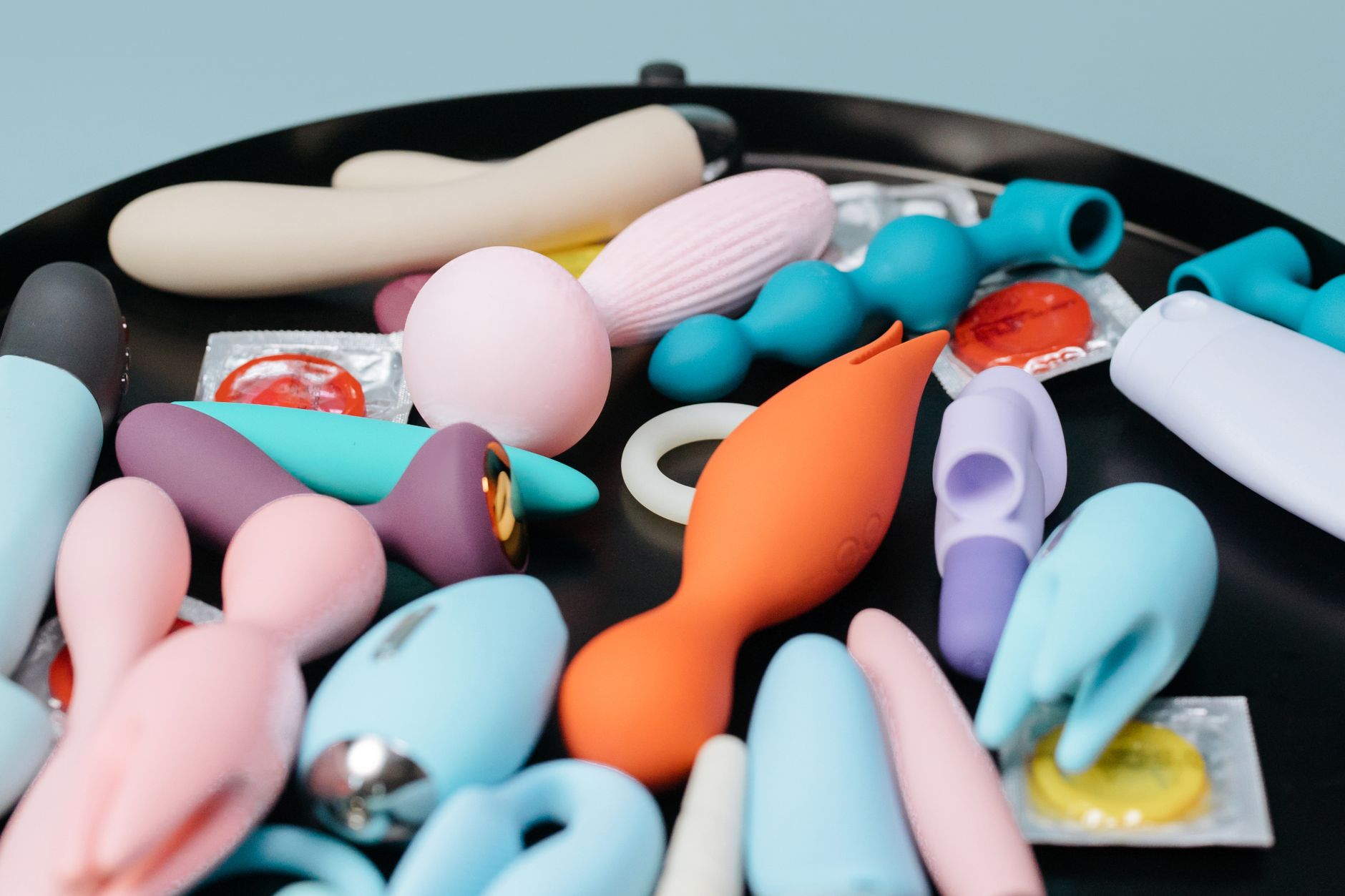
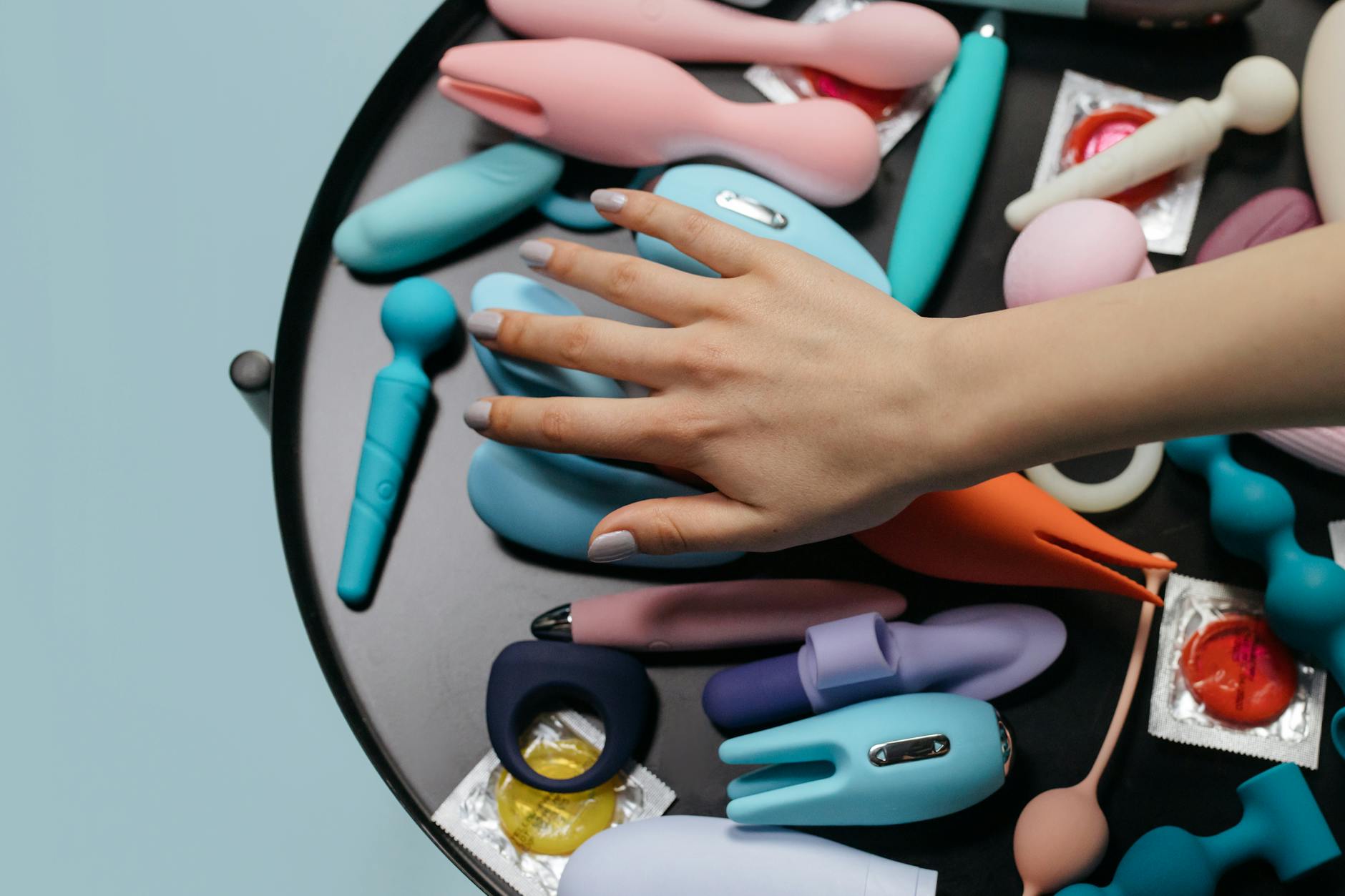
You want to bring a lemon vibrator into your sex life with a partner. Maybe you've used one solo and want to share that feeling. Maybe you've read that clitoral vibrators can deepen partnered pleasure and you're curious. Or maybe you're worried something's missing and a vibrator feels like the answer.
Here's what I know after decades working with couples: the actual conversation is never as awkward as the anticipation of it. The awkwardness lives in your head weeks before you say anything. Once you actually open your mouth, most partners respond with curiosity or relief. Relief because they were thinking about it too.
When couples come to me stuck on this topic, the real barrier isn't usually about the vibrator. It's about what the vibrator means in their story. Here's the subtext running underneath:
For the partner with the vulva, it often feels like: "Will they think I'm not satisfied? Does this mean I'm broken? Am I admitting something's wrong?"
For the partner without the vulva, the fear is: "Will they think I'm not enough? Does this mean I've been doing something wrong? Am I about to be replaced?"
Neither of those things is true, but both are real anxieties. The vibrator isn't the issue. The meaning you're both attaching to it is. So before you say anything, get clear on your own story. Why do you want this? What are you hoping it will add to your sex life together?
Don't bring this up mid-argument or when either of you is stressed. This conversation needs calm, mutual attention. That usually means not during sex, but not in the car on the way to work either. An evening when you're both relaxed, maybe after dinner, sitting somewhere you can make eye contact. You're not asking permission. You're inviting collaboration.
If your partner is likely to feel defensive, you can soften the opener by making it about both of you, not just your pleasure. "I've been reading about clitoral vibrators and how couples use them together, and I got curious about trying one with you" lands differently than "I need a vibrator to feel good." One is collaborative. The other sounds like a critique.
Start with curiosity, not demand. "I've been thinking about exploring something together" is an invitation, not a complaint. Then be specific without being clinical.
Good openers:
"I read that a lot of couples use lemon vibrators together and I got curious. Would you be open to trying one?"
"I've tried one solo and it feels amazing. I'd love to explore that sensation together with you."
"I want to deepen what we have sexually. I think bringing a vibrator into our time together could help us both feel more pleasure."
Avoid:
"I'm not getting enough from what we're doing now"
"Everyone's using vibrators. We should too"
"I need this to actually enjoy sex with you"
Those frame it as a fix for a problem in your partnership. The first set frames it as an expansion.
After you open the door, your partner's going to have a reaction. Maybe they're excited. Maybe they need time. Maybe they have a question that sounds like resistance but isn't. Your job is to hear what's actually being said underneath.
If they say "I'm worried you won't want me anymore," that's not really about the vibrator. That's about their worth in your eyes. Address that first. "I absolutely want you. This is about adding something fun together, not replacing you."
If they say "I'm not sure I know how to use one with you," that's a logistical concern, not a rejection. "We figure it out together. No pressure. It's supposed to feel good."
Give them space to process. If they're not immediately enthusiastic, that doesn't mean no forever. Sometimes people need a few days or weeks to sit with the idea before they're ready.
You've had the conversation. They're curious. Now what?
Don't jump straight into bed with a new toy the next night. That creates pressure. Instead, let them see it, hold it, ask questions about it. A lemon vibrator is beautiful and compact. You can leave it on the nightstand and just let it become normal. "Here's the Lem. It's what I've been using solo. Feel free to pick it up and look at it whenever."
When you do use it together for the first time, go slow. Many people find that hands-on partners enjoy holding a lemon vibrator while they're using their fingers or mouth. The clitoral stimulation from the suction tech enhances sensation without replacing your partner's touch. For those with reduced clitoral sensitivity, this combination is often the sweet spot.
Talk during. "Does this feel good? Want more or less pressure? Should I slow down?" The conversation doesn't kill the vibe. It protects it.
Sometimes the answer is no. Not right now, anyway.
That's actually useful information. It tells you where your partner is in their comfort zone. The goal isn't to convince them. The goal is to understand why and decide if you can live with that boundary.
If it's a hard no forever, you have to make a choice. Can you accept this limit, or is it a dealbreaker? If it's not yet, you've just learned they need time or different reassurance. Give them that.
One thing I've seen work: sometimes a partner who says no to vibrators in partnered sex is actually open to supporting you using one solo. That's a different kind of intimacy and it counts.
Here's what I've seen with couples who introduce lemon vibrators successfully: the awkwardness dissolves pretty fast. What takes its place is usually one of two things.
First, there's the surprise that it actually feels good. Orgasms might be more intense or come faster. The sensation is different enough that it can reset what's possible. That's genuinely exciting.
Second, there's the relief of having talked about sex directly without shame. Couples who can say "I want to try this" out loud are couples who can say other things too. You've cracked open a communication channel and that ripples beyond the bedroom.
Sometimes lemon vibrators become a regular part of your sex life. Sometimes you use one three times and then forget about it for six months. Both are fine. The point isn't that you have to love it forever. The point is that you found a way to talk about desire together.
Not if you frame it right. A vibrator isn't a replacement for your partner. It's a tool that does one specific thing: deliver sustained clitoral stimulation in a way human hands and mouths can't quite match. Your hands provide warmth and texture and presence. The vibrator provides a specific sensation. Both matter. Most people have found that lemon clitoral vibrators enhance partnered pleasure because they free up space for other kinds of touch and connection.
There are a few ways. One partner can hold it while using their hands or mouth elsewhere. Someone can use it on themselves while their partner is inside them or engaging with them in other ways. Or you can take turns being the one who holds it. The shape of a lemon vibrator makes it easy for a partner to hold and control the intensity, which often feels more intimate than you'd expect. Experiment.
That's worth addressing directly. "I'm attracted to you and I love our sex life. I'm also curious about deepening what we have. These aren't mutually exclusive." If your partner is worried about attraction, the vibrator might actually surface a deeper conversation about your connection that needs to happen anyway. Don't let the vibrator be the whole conversation if something else is wrong.
Not even a little bit. People with penises can enjoy external stimulation too. Some partners find it hot to hold a lemon vibrator on their partner while they're inside them. Others want their own vibration during partnered sex. All of that is normal and worth exploring together.
Lead with curiosity and invitation, not critique. "I've been reading about this and got curious" is different from "I think we need this." Frame it as exploration you want to do together. Pick a calm moment. Listen to their concerns without defending. And be patient if they need time.
Before. Have the actual conversation outside the bedroom when you're both clothed and calm. Then when you're intimate, you can reference what you talked about without rehashing the whole thing. "Remember we talked about trying the Lem? Want to try it tonight?" is a simple check-in. No long speeches needed.
The conversation about a lemon vibrator is often the conversation that cracks open a couple's sex life in a really good way. Once you've said one thing that felt vulnerable and your partner didn't reject you, you can say other things. You can ask for what you want. You can admit what's working and what isn't. You can be honest about desire instead of performing it.
That's worth more than any single toy could ever be. The vibrator is just the excuse to get there.