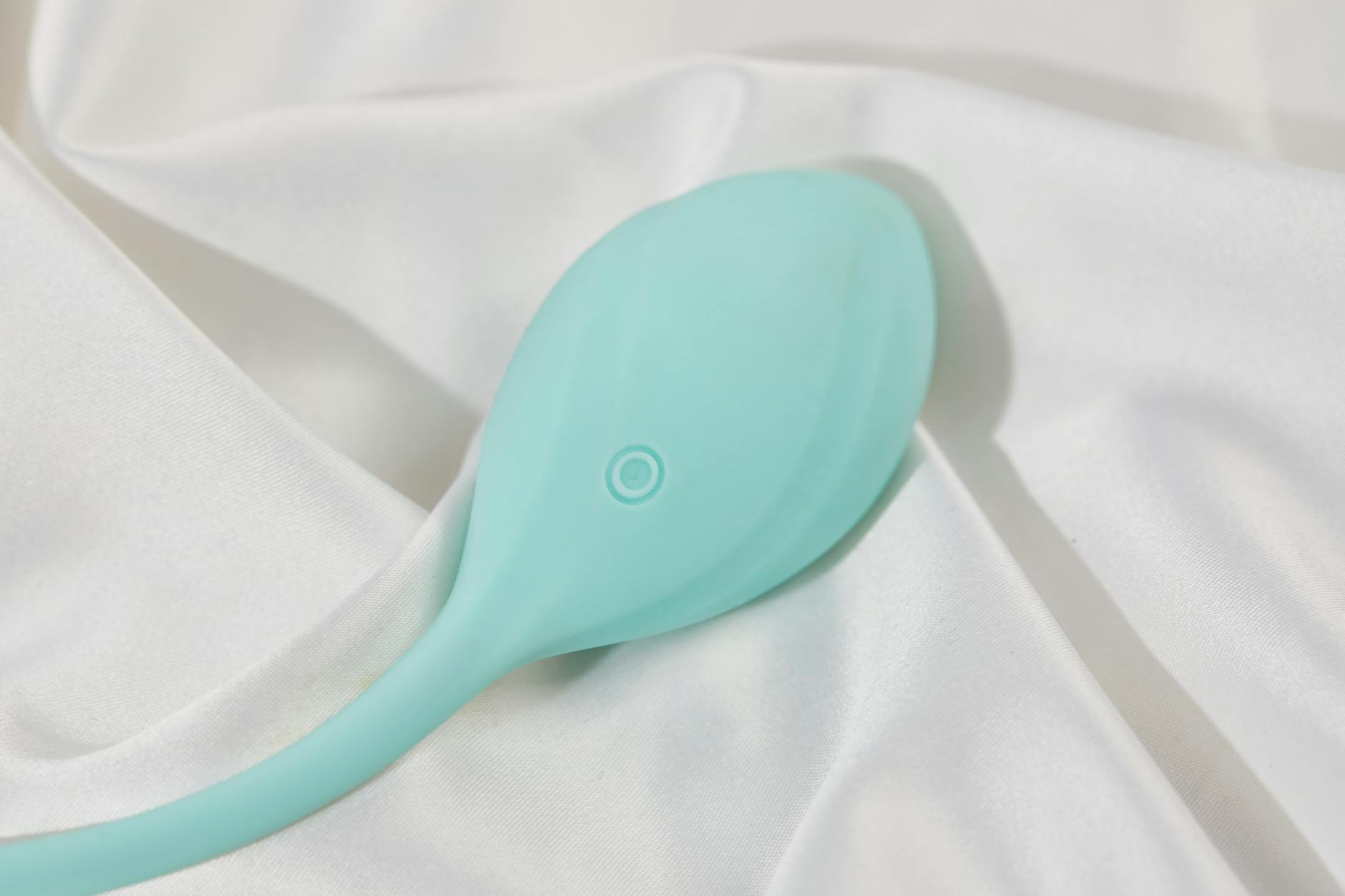
Why Lemon Vibrators Feel Different After You Stop Using Them
Your body adapts to suction faster than you'd expect. Here's what happens when you take breaks, and why the sensation might feel weaker (or stronger) than before.
Your body doesn't experience sensation in a vacuum. Every time you use a lemon vibrator, your nervous system registers the pattern, intensity, and timing. Then it adapts. Take a break for weeks or months, come back to the same device, and it often feels completely different. Sometimes muted. Sometimes sharper. Sometimes almost like you're rediscovering it.
This isn't a flaw in the toy or your body. It's how desensitization and re-sensitization work. Understanding the mechanism helps you use that knowledge to reset, intensify, or completely change your experience.
Lemon vibrators work through suction, not traditional vibration. That suction stimulates the dense cluster of nerve endings in and around the clitoris. The first few times you use suction, those nerves fire like crazy. Your brain registers this as novel, intense, almost overwhelming sometimes.
But your nervous system is built to adapt to repeated stimuli. After about five to ten sessions with the same intensity and pattern, your nerves become less responsive to that exact sensation. Researchers call this habituation. It's the same reason you stop noticing the smell of your perfume or the weight of your clothes.
With suction specifically, there's an added layer. Repeated suction can cause temporary swelling or mild tissue engorgement that takes time to fully resolve. When tissue is swollen from heavy use, it's less sensitive to the next application of suction. The sensation feels muffled.
Stop using your lemon vibrator for two to four weeks, and something shifts. Your nervous system essentially "forgets" the repeated stimulus. The swelling completely resolves. The nerve endings recover their baseline sensitivity. When you return to the device, many people report the sensation feels almost like the first time again. More intense, more surprising, sometimes almost too much.
The reset window isn't fixed. Some people recover baseline sensitivity in two weeks. Others need four to six weeks. Individual differences in nervous system recovery, hormone levels, and tissue resilience play a role. Age matters too. People in their 40s and 50s often need longer reset periods than those in their 20s and 30s.
Occasionally, people report that their lemon clitoral vibrator feels stronger after a break. This can happen for several reasons.
First, psychological reset. If you've been using the device frequently and the sensation has become routine or even frustrating, stepping away for weeks reframes it as novel again. That cognitive shift alone can make intensity feel heightened.
Second, improved arousal architecture. If you've taken a break, you likely come back to the toy when you're genuinely excited to use it again. Better baseline arousal means faster engorgement, faster nerve activation, and a steeper sensation curve. The toy didn't change. Your starting point did.
Third, hormonal timing. If you've naturally cycled through different phases of your menstrual cycle or hormonal season during the break, you might return during a peak-sensitivity window. Estrogen and testosterone fluctuations change clitoral sensitivity dramatically. Same toy. Different hormonal backdrop. Completely different experience.
You don't have to choose between "use it constantly and go numb" or "take a month off and lose momentum." Many people find success with intentional variation.
Rotate between different sensation patterns. Most lemon vibrators like the Hello Nancy Lem come with multiple suction intensities. If you've been using pattern 5 exclusively for weeks, drop back to patterns 1-3 for your next five sessions. Your nerves stay engaged with novelty, but you're not chasing higher and higher settings.
Alternate with different toys entirely. Use your lemon vibrator for one week, then switch to a traditional vibrator or a different style for the next week. The contrast itself makes each device feel more powerful when you return to it.
Shift timing and context. If you typically use your device solo at night, try partner play in the morning. Different mental state, different arousal trajectory, often different sensation intensity despite using the exact same toy.
Change position. Using your lemon suction vibrator lying down for weeks? Try sitting upright, kneeling, or a side-lying position. The angle changes how tissue engages with the suction cup, which changes the sensation pattern your nerves receive.
If your lemon vibrator feels dramatically weaker even during a fresh session, and you're certain you're not just habituated, something else might be at play.
Hormonal changes are the most common culprit. Birth control adjustments, menstrual cycle phase shifts, thyroid function changes, and perimenopause all alter baseline clitoral sensitivity. The toy isn't weaker. Your tissue responsiveness has shifted.
Medication side effects deserve consideration too. If you've recently started an antidepressant, blood pressure medication, or hormonal therapy, dulled sensation might be a direct side effect rather than toy habituation. How lemon vibrators work for low libido after hormonal changes covers this in more depth.
Tissue changes from childbirth, episiotomy scars, or surgical recovery can also affect how your body responds to suction. If you're recovering from a significant pelvic event, your baseline sensitivity may genuinely be different than it was before.
Psychological factors matter too. If your relationship is strained, you're stressed about work, or you're grieving something, arousal and sensation diminish. That's not habituation. That's your nervous system doing exactly what it should do: dowregulating pleasure responses when deeper things feel unsafe or off.
If you want to genuinely reset your sensitivity to your lemon vibrator, here's a simple framework.
Weeks one and two. Stop using the device entirely. This is the hard part for people who've built it into a regular rhythm. But two weeks off gives your nervous system time to truly forget the stimulus and tissue time to fully resolve any swelling.
Week three. Return with reduced intensity. If your lemon suction vibrator has settings 1-7, start at pattern 2. Spend 10-15 minutes with low-intensity sensation. The goal isn't orgasm. The goal is nerve reactivation.
Week four onward. Gradually increase intensity if you want to, but keep variation in your routine. Rotate between different patterns. Take occasional single-use breaks instead of multi-week breaks. This maintains sensitivity without the plateau.
The reset protocol works best when you're intentional about it. Random breaks feel like loss. Structured resets feel like strategy. That mental framing alone changes how your body responds.
If you use your lemon vibrator with a partner, habituation gets more complex. You're not just managing your nervous system's adaptation. You're managing shared arousal, anticipation, and emotional context.
Many couples find that lemon vibrators feel more intense when there's novelty in the partnership itself. A reconnection after distance. A new conversation about desire. A shift in how you're relating. That emotional reset mirrors the physiological reset. Why lemon vibrators work better when partners have different pleasure preferences explores how preference differences actually protect against habituation through built-in variety.
If you've been using the toy in the same context with the same partner the same way for months, habituation compounds with relational routine. Breaking both cycles often requires switching more than just intensity. It requires switching emotional tone, timing, or approach.
Most people notice habituation sets in after 5-10 regular sessions with the same intensity and pattern. Some people adapt faster, especially if they're experienced with vibrators. Others stay sensitive longer. Age, baseline arousal, and hormonal status all play a role. There's no universal timeline.
Numbing creams or sprays might feel counterintuitive for this purpose, but some people use them intentionally. A light numbing agent can reduce sensation intentionally so you explore lower intensity settings longer before sensation feels blunted. Just be careful: overapplication defeats the purpose, and you want to stay present with the sensation you do have. How lemon vibrators work when you use numbing products covers this safety ground in detail.
Partially true. A break resets your baseline, which makes your first session back feel more intense. But overall sensitivity (how much maximum pleasure you can experience) doesn't necessarily increase permanently. You're resetting adaptation, not increasing capacity. The difference matters psychologically and experientially, though.
No. There's no clinical evidence that regular clitoral vibrator use causes permanent desensitization. You're experiencing nervous system adaptation, which is always reversible. Tissue swelling resolves. Nerves recover. Your body isn't being harmed by use. It's responding exactly as it should.
Then habituation probably isn't your issue. Check battery level first. Low power changes sensation dramatically. If power's fine, consider whether something else has shifted. Hormonal changes, medication side effects, stress, and relationship dynamics all dull sensation faster than pure toy habituation. If sensation has genuinely diminished despite breaks and adequate power, a conversation with your doctor or a sex educator can help you figure out what's at play.
No. Your nervous system can adapt to a stimulus, but it can't permanently ignore it. Even if you use the same device the same way for years, taking a break will reset sensitivity. The capacity to feel is still there. It's just temporarily habituated.
Here's what I've learned from working with couples navigating pleasure and desire. Sensation adaptation isn't a flaw to avoid. It's information. Your body's way of telling you when it's time to try something different. When it's time to reconnect. When it's time to slow down or shift context.
The lemon vibrator that feels incredible the first time you use it won't feel identical forever. But that doesn't mean it gets worse. It means you get to decide what you want from it. Higher intensity. Different timing. Partner involvement. Solo ritual. A complete reset. Your body is asking you to stay engaged, to choose intentionally, to not run on autopilot.
If your clitoral vibrator feels different after a break, that's normal. If it feels muted from regular use, take a two-week pause. If you want to keep sensation fresh without full resets, rotate patterns and context. And if nothing changes the sensation, reach out to a healthcare provider or sex educator who can help you explore what else might be shifting.
Your pleasure matters. And sometimes the key to experiencing it fully is understanding how your body adapts, then choosing to work with that knowledge rather than against it. If you have questions about how lemon vibrators fit into your specific situation, we're here to help. Reach out at /contact.